
Robohub.org
Robot Race to Hawaii Contest
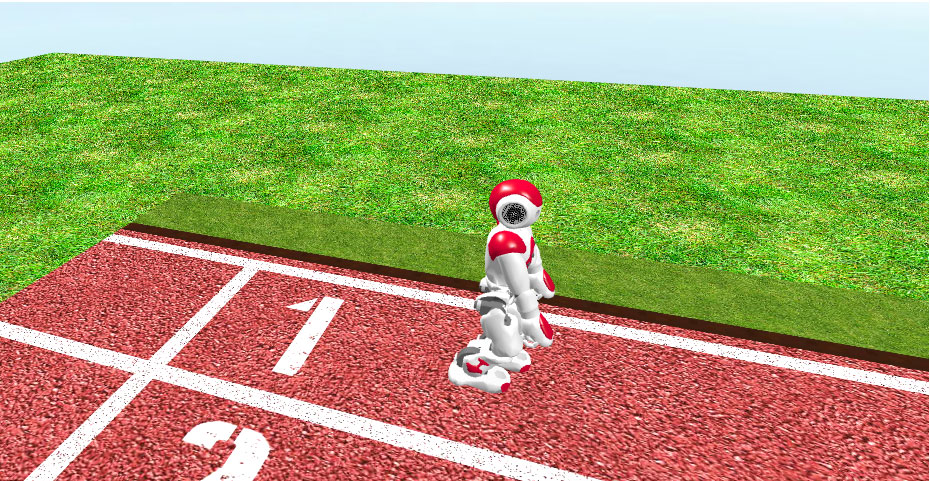
The Robot Race to Hawaii is a robotics contest where participants program a humanoid Nao robot to run a 10-meter race in the shortest time possible. The whole competition is run in a Webots simulation inside The Construct hosting platform. Participants need only a computer equipped with web browser to participate, and are not required to download any applications. There is no cost to enter.
The competition is simple, making it a good entry point and hands-on exercise for newcomers to robotics. The Construct provides the simulated environment with the robot already in it, as well as a sample controller that participants have the option to use as a starting point for building the walking controller. Because the challenge is hosted in The Construct and stored in the cloud, contestants participate via their web browser and do not need to worry about downloading and installing software.
Teachers, you can use this contest as an assignment for your students, as participants can expect to learn:
- How to code in Python. The controllers of the robots must be written in Python, which is one of the best languages for introducing someone to programming and especially to robotics. A good place to start learning about python is CodeAcademy.
- How a robotics simulator works. The simulator used for the contest is Webots. Participants must learn how this simulator works in order to understand how all the parts interact together (robot simulation, controller, computer, etc). Fortunately, there are nice tutorials to learn about it here.
- How to build models of objects for robot simulators. Throughout the competition, participants will be asked to create simulated models of simple objects, like a chair, a glass or a blackboard, once per week. This will provide them with deeper knowledge of what a simulation means. The same Webots tutorial linked to above contains information about how to create a model.
- The basics of biped walking. Even if the contest provides a sample controller allowing the robot to walk, participants may be interested in applying more complex techniques for robot walking. Learning about how to make a biped walk can help create faster controllers. You can learn about robot walking here or read many of the scientific papers available in the web.
 More complex topics such as writing and compiling C++ controllers, using ROS as a robotics framework, or the programming of more complex robot skills like opening doors or grasping a objects have been deliberately left out of this challenge in order to make it suitable for people with minimal knowledge of robotics. STEM high school students and first year robotics students should find the competition accessible.
Participation is open to anyone, however, so expect some pros to enter.
By the way, did I mention that the winner of the contest will get a trip to Hawaii?!?! Register here: contest.theconstructsim.com
Good luck!
tags: c-Events, Competition-Challenge, Simulation

AUAI is supported by:









