
Robohub.org
Interview with Jerry Tan: Service robot development for education
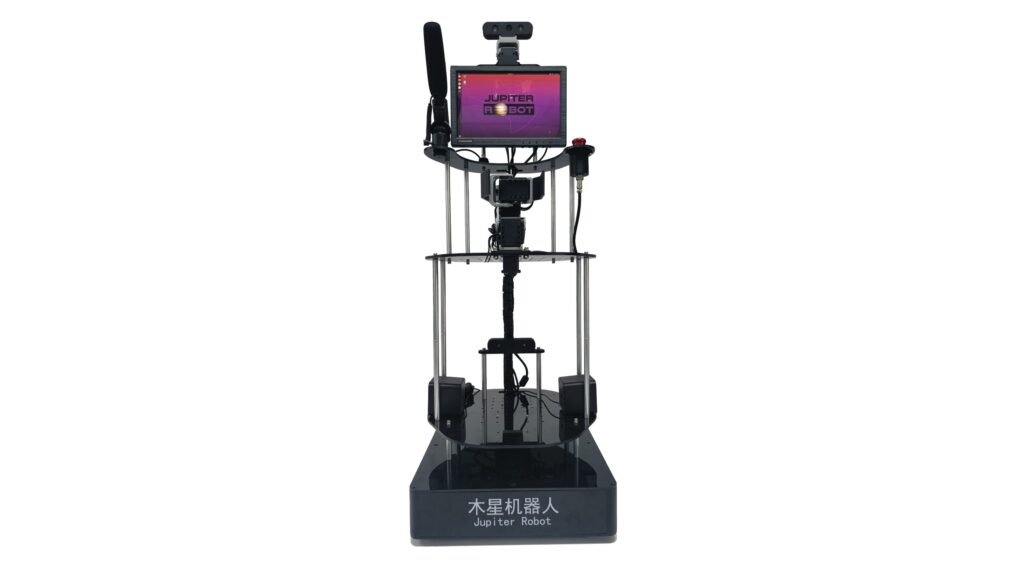
At the International Joint Conference on Artificial Intelligence (IJCAI) 2023, I had the opportunity to interview Jerry Tan from Lattel Robotics, a company dedicated to promoting AI-focused robotics education and training. They work closely with the RoboCup@Home Education initiative, supporting schools and institutions in introducing AI and service robot development to students. Their goal is to equip learners with practical AI application skills in computer vision, autonomous navigation, object manipulation and speech interactions.
Through their AI robotics and AI applications workshops, Lattel Robotics offers an introduction to robot operating system (ROS)-based AI applications development in service robotics. As a hardware partner for the RoboCup@Home Education initiative, they assist schools and institutions in competing in AI robotic challenges by developing applications that address real-world problems. Their AI learning solutions include setting up AI laboratories, designing curriculums and developing courseware.
Andrea: Thank you for taking the time to speak with me. It’s a pleasure to meet you. Could you please tell me more about who can benefit from the Jupiter2 platform, and what exactly it is designed to do?
Jerry: Just about anyone can use it with a programming background to get started to develop their own AI applications via service robot development, using open source software.
Andrea: What kind of sensors do your robots use? Just microphones and cameras, or is there more?
Jerry: Yes, so we use a range of sensors, including RGB-D cameras and LIDAR sensors for depth perception. Besides, we have microphones and speakers for speech interaction, along with robotic arms for object manipulation and mobile platforms for navigation.
Andrea: So, I have a little question about this. Do you have an API (Application Programming Interface) that students and researchers can work through?
Jerry: It’s not always necessary, as the robot is equipped with its own laptop, acting as a central processing unit. Getting started is easier, as we have integrated the hardware platform with open-source software like OpenCV and YOLO, using the Robot Operating System (ROS1 and ROS2). These are popular tools among AI researchers and developers.
Andrea: It sounds intriguing, but the setup process seems complicated. Integration often takes time.
Jerry: The robotic platform is already integrated and ready to be deployed. For our AI learning device, Juno2, all you need to do is to connect it to a laptop via a USB port and you can straight away boot up the Linux (Ubuntu) environment with ROS, without any software installation.
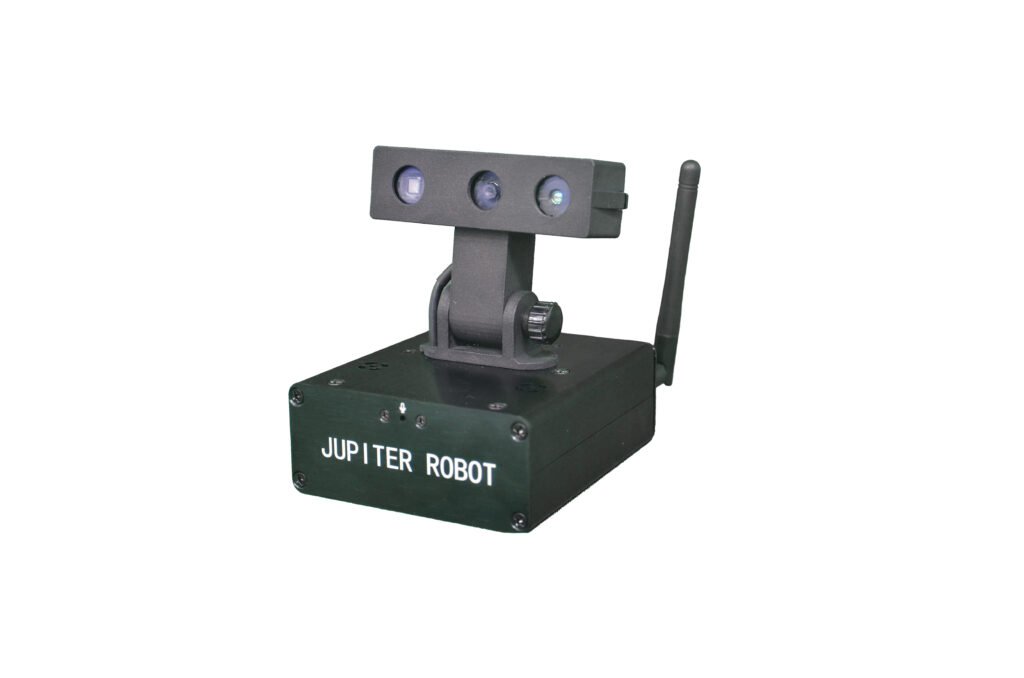 AI learning device, Juno2.
Andrea: How do you work with schools?
Jerry: We’re an education solution provider, supporting schools and institutions that want to introduce practical AI applications learning in a classroom. Programming experience in Python or C++ is a prerequisite in doing AI applications development. So we provide Python introduction workshop for complete beginners. Then using a train-the-trainers approach, we offer 3-day AI robotics workshops using Jupiter2 or 2-day AI applications workshops using Juno2. Through these workshops, educators are given an overview of the AI applications modules which would enable them to customise the material accordingly for education, training or even research purposes.
Andrea: What if someone doesn’t have direct access to the robot? Can they work remotely?
Jerry: Absolutely. You can connect via a remote desktop software from your computer and continue programming. As mentioned just now, we also have a smaller device called Juno2, designed for classroom use. You don’t need the full robot setup in this case; you can use this device to do computer vision and speech interactions applications. It’s a plug-and-play solution that works with any laptop or operating system, automatically loading Ubuntu, ROS and our Jupiter software development frameworks. It’s perfect for conducting online classes, as students can continue learning from home or wherever they are.
Andrea: If you have a robot like this, can additional components, like speakers, be added to your robots?
Jerry: Yes, definitely. That’s a good question. Jupiter2 is an open platform that is
customisable and reconfigurable. If you have an engineering background, you can modify the hardware based on the requirements. This flexibility allows both beginners and advanced users to focus on their specific areas of interest, whether it is software programming or hardware customisation.
Andrea: Have you exported these gadgets before?
Jerry: Yes, we have exported to Europe, Africa, South and North America before. So far there are more than 30 over schools, universities and institutions globally that have adopted our learning platforms for education, training, research and/or robotic competitions.
Andrea: Fantastic, thank you for your time and insights. I wish you continued success in the future!
You can find more information on the Lattel Robotics website.
|
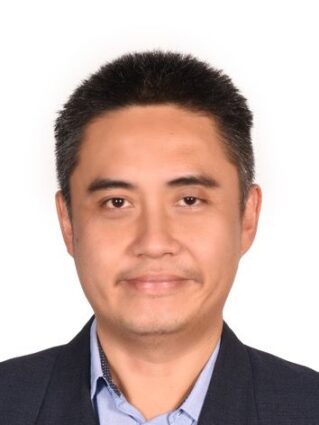
Jerry Tan is the Managing Director of Lattel Robotics. A German-trained engineer turned entrepreneur, Jerry is currently running the AI robotics education and training companies in Malaysia and Singapore. Striving to empower anyone in getting started to learn AI applications practically, Jerry works closely with schools and academic institutions in setting up laboratories and developing courseware. |
tags: RoboCup

AUAI is supported by:









