
Robohub.org
Personal telepresence relatively affordable, but expect to pay extra for the tablet
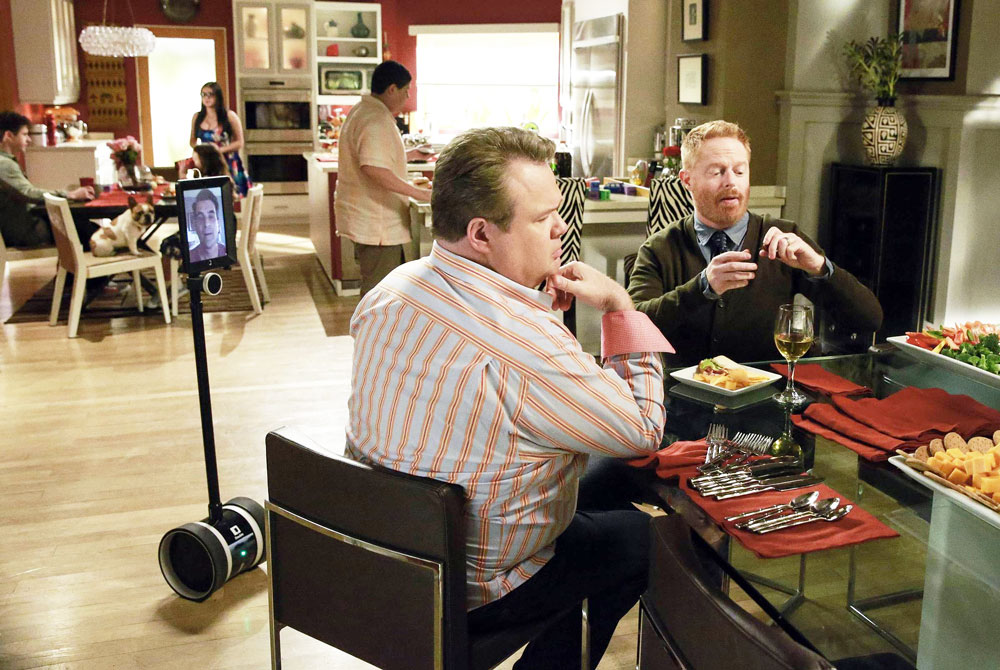
Double makes an entrance on hit TV series Modern Family.
Personal telepresence robots have exploded onto the market thanks to the help of tablets, smartphones, and crowdfunding sites. Geared toward the economics of personal use, these robots typically cost less than $3000 (tablet typically not included) and don’t require a monthly subscription. While the telemedicine category of telepresence devices has been plagued by lawsuits, the only drama in this category is the love (or hate) of your smart device.
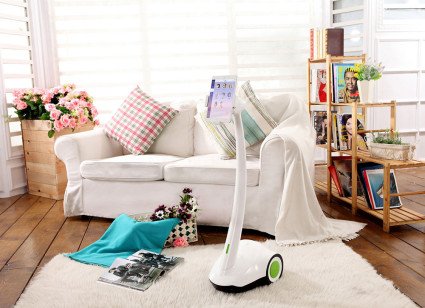
Padbot
Working with an iPad or iPhone (iOS), you have three choices: the Double, the TeleMe or the Padbot. The Double, is only available with iOS and has received the most exposure, appearing in both the Modern Family and Community television series. The Padbot, which launched via Indiegogo, was designed and developed by InBot out of China. While it initially went for as low as $299 during the launch campaign, it can now be had for $799 in the US. The TeleMe and TeleMe2 from MantaRobot, have been out for a while and work with iOS and Android. They are also the only ones I’ve seen that really work with Windows-based devices like the Surface Pro.
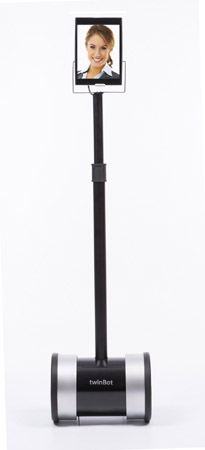
Twinbot
Like the Double, but for Android, the TwinBot has a strikingly similar appearance. Though its Indiegogo campaign failed, Robotshop.com picked it up for sale. While it doesn’t have a telescoping neck, it does have the ability to tilt the tablet up and down. The “Telepresence RobotRig” by Endurance is based out of Russia, and while they are a relative newcomer to the scene, they seem pretty ambitious with their plans to introduce an autonomous mode.
The Origibot is currently the only telepresence robot with an arm and manipulator on the market. This was another Indiegogo campaign success (you might remember having seen the campaign on Robohub). The first backers will soon be getting their robots, so we’ll give it a few months for owners to tinker with the design. The lack of arms is seen as an issue, as it provides a tangible means for interaction.
If you don’t want to bother with purchasing a tablet, there is the Beam+ from Suitable Technologies. A slimmed down version of the Beam Pro, the screen is embedded into the device so you are platform agnostic.
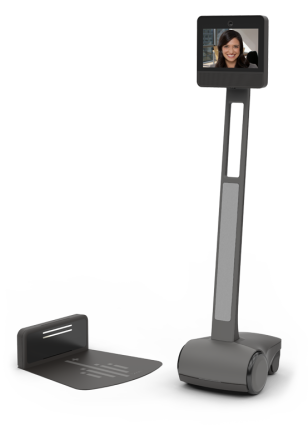
Beam +
Oculus by Xaxxon was actually the first to hit Kickstarter back in late 2011. Using a netbook atop the Oculus base allowed you to roam around. They combined it with RoboRealm to allow for advanced mapping and computer vision. The beauty of using a netbook is that you can now integrate with ROS, creating a true robot according to a purist’s definition.
Up next, we’ll take a look at a niche category — tabletop telepresence — where the lack of mobility can often be an advantage.
tags: c-Consumer-Household, telepresence

AUAI is supported by:









