
Robohub.org
 

Rehab robots, smart prostheses and exoskeletons to reach $1.8 billion by 2020

by
15 March 2014


share this:
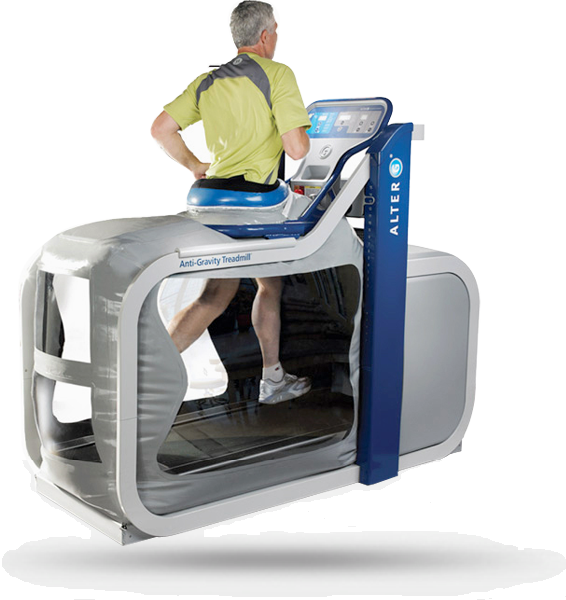
alterG_treatmill

A Wintergreen Research report says that the rehabilitation robot market will grow from $43.3 million to $1.8 billion by 2020 as a result of the effectiveness of robotic treatment methods.

The $3,900 report covers the breath of the work being done in this important healthcare robotics segment. It covers products such as rehab/therapy robots, active prostheses, exoskeletons and wearable robotics. It also describes patient needs for all types of injuries, disabilities and therapies and recaps dozens of companies involved in the industry, particularly AlterG, InMotion, Ekso Bionics, Myomo and Hocoma.

Usefulness of rehabilitation robots is increasing; more sophisticated combinations of exercise have become more feasible as the technology evolves. Patients generally practice 1,000 varied movements per session; very hard for human therapists but easy with the robots.


tags:


Frank Tobe is the owner and publisher of The Robot Report, and is also a panel member for Robohub's Robotics by Invitation series.

            AUAI is supported by:


Subscribe to Robohub newsletter on substack


Related posts :

Intermittent swimming promotes the energy efficiency of fish-like robot movements

How zebrafish-inspired robots save energy by swimming in bursts.

What does it take for a robot to hold a conversation with a room, not just a person?

and   14 Aug 2026
Find out about a summer school held at Imperial College London.

Robotics roadmaps from around the world

We embark on a tour into some of the recent and prominent robotics roadmaps from around the world.

A ‘5-in-1’ seed-sized surgical robot

Mini robot can move, cut tissue, release drugs, grip and store samples, and generate heat wirelessly

AI agents create virtual playgrounds to help robots get crucial training data

  07 Aug 2026
“SceneSmith” system uses collaborative AI agents to create realistic 3D environments of places like kitchens, hotels, and living rooms, where robots can simulate everyday chores.

Robots in society, business and culture: July 2026

A round up of robotics stories in a new monthly series from IEEE RAS.

Simulated zebrafish and a vision-equipped robotic fish reveal how the body shapes brain circuits

Researchers look to the fish brain to create a robotic zebrafish that can autonomously swim upstream.

Researchers develop modular nanorobot

  31 Jul 2026
A team at the University of Basel has developed a versatile nanorobot with propulsion and payload modules.


AUAI is supported by:


Subscribe to Robohub newsletter on substack


©2026.05 - Association for the Understanding of Artificial Intelligence









