
Robohub.org
ShanghAI Lectures: Simon Grand “Building Intelligent Companies: Enterpreneurial Management and Design Principles”

Guest talk in the ShanghAI Lectures, 2010-11-18
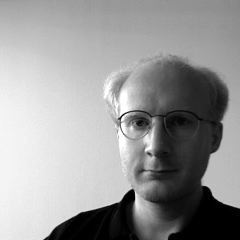
In this guest lecture, Simon Grand from the University of St. Gallen in Switzerland, talks about building intelligent companies.
The ShanghAI Lectures are a videoconference-based lecture series on Embodied Intelligence, run and organized by Rolf Pfeifer (from 2009 till 2012), Fabio Bonsignorio (since 2013), and me with partners around the world.
https://www.youtube.com/watch?v=82nEo8usN-M
Dr. Simon Grand is an economist and entrepreneur. Since 2001, he is the founder and academic director of RISE management research, Institute of Systemic Management and Public Governance, University of St. Gallen HSG. His research focus is strategic entrepreneurship and management in the context of innovation and change. Areas of expertise include computer science, software engineering, life sciences, pharma, cognitive sciences, artificial intelligence, fashion design, and creative industries. In 2008 he became a founder and partner at TATIN Scoping Complexity in Zurich. Their focus is entrepreneurial strategy and strategy design in the context of innovation and change, and corporate governance. Since 2007, he is also senior researcher at the Institute for Art and Design Research at the Academy of Art and Design in Basel where his research focuses on design entrepreneurship, strategy design, design fiction, critical companies. Since 1998, he is research associate and senior lecturer at the University of St. Gallen HSG, with a focus on strategic management and entrepreneurship, management theory, technological innovation, and epistemology of management research. Dr. Grand studied economics, sociology and philosophy at the University of Zurich where he also completed his doctoral work at the Institute for Management Research. From 1990 to 1993 he was a research associate in the area of financial markets at the Swiss National Bank, and from 1996 to 1997 he was a research fellow in philosophy and epistemology at the Ecole des Hautes Etudes en Sciences Sociales in Paris.
The ShanghAI Lectures have brought us a treasure trove of guest lectures by experts in robotics. You can find the whole series from 2012 here. Now, we’re bringing you the guest lectures you haven’t yet seen from previous years, starting with the first lectures from 2009 and releasing a new guest lecture every Thursday until all the series are complete. Enjoy!
tags: Algorithm AI-Cognition, ShanghAI Lectures 2010
AUAI is supported by:









