
Robohub.org
Uber price in LA approaches robocar cheap
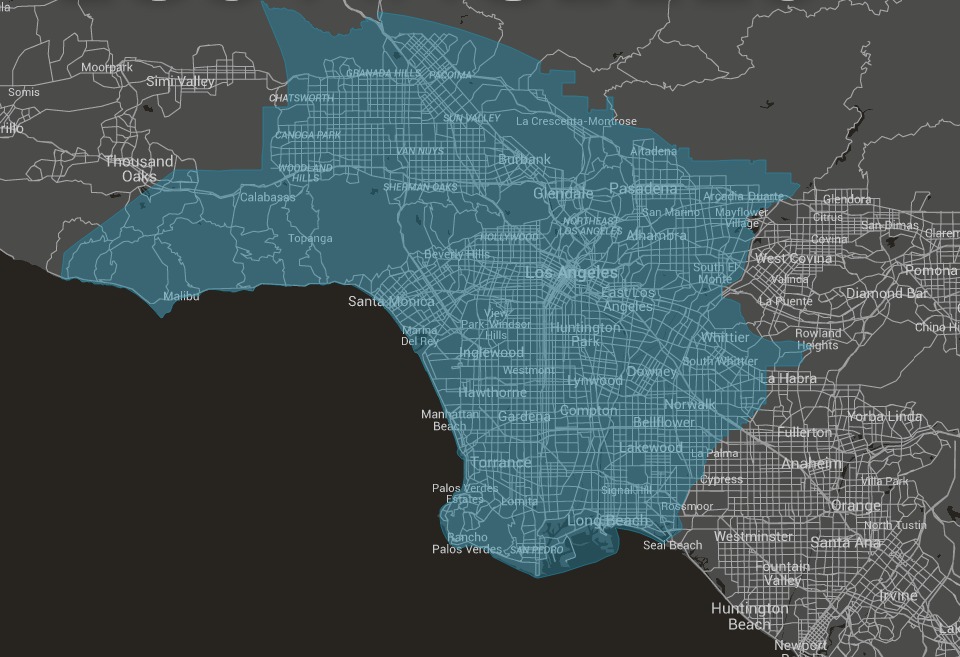
I was recently considering the price of UberX in Los Angeles. It’s gotten disturbingly low, with a flag drop costing as little as $0.18 per minute / $0.90 per mile.
This is not a very good deal for the driver. After Uber’s 20% cut, that’s $0.72/mile. According to AAA, a typical car costs about $0.60/mile to operate, not including parking. (Some cars are a bit cheaper, including the Prius favoured by UberX drivers.) In any event, the UberX driver is not making much money on their car.
The $0.18/minute — $10.80/hour — drops to only $8.64/hour while driving, which is not that much above minimum wage. And I’m not counting the time spent waiting and driving to and from rides, nor the miles. There is also a $1 “safe rides fee” that Uber pockets (they are being sued over that), and there is a $4 minimum, which will hit you on rides of up to about 2.5 miles.
So Uber drivers aren’t getting paid that well — not big news — but a bigger thing is the comparison of this with private car ownership.
 As noted, private car ownership is typically around 60 cents/mile. The Uber ride, then, is only 50% more per mile. You pay the driver a low rate to drive you, but in return you get that back as free time during which you can work, socialize on your phone, or relax and read or watch movies. For a large number of people who value their time at much more than $10/hour, it’s a no-brainer win.
The average car trip for urbanites is 8.5 miles — though that of course is biased up by long road trips that would never be done in something like Uber. I will make a guess and drop urban trips to 6.
The Uber and private car costs do have some complications:
- That Safe Rides Fee adds $1/trip, or about 16 cents/mile on a 6 mile trip
- The minimum fee is a minor penalty from 2 to 2.5 miles, a serious penalty on 1 mile trips
- Uber has surge pricing some of the time that can double or even triple this price
As UberX prices drop this much, we should start seeing people deliberately dropping cars for Uber, just as I have predicted for robocars. I forecast robotaxi service can be available for even less. 60 cents/mile with no cost for a driver and minimal flag drop or minimum fees. In other words, beating the cost of private car ownership and offering free time while riding. UberX is not as good as this, but for people of a certain income level who value their own time, it should already be beating the private car.
We should definitely see 2-car families dropping down to one car plus digital rides. The longer trips can be well handled by services like Zipcar or even better, Car2Go or DriveNow, which offer one-way service.
The surge pricing is a barrier. One easy solution would be for a company like Uber to to offer frequent rider loyalty miles: “If you ride more than x miles/year with us, then no surge pricing for you.” I’m surprised none of the companies have thought about loyalty programs yet.
Another option that might make sense in car replacement is an electric scooter for trips under 2 miles, UberX like service for 2 to 30 miles, and car rental/carshare for trips over 30 miles.
If we don’t start seeing this happen, it might tell us that robocars have a larger hurdle in getting people to give up a car for them than predicted. On the other hand, some people will actually much prefer the silence of a robocar to having to interact with a human driver — sometimes you are not in the mood for it. In addition, Americans (at least) are not quite used to the idea of having a driver all the time. Even billionaires I know don’t have a personal chauffeur, in spite of the obvious utility of it for people whose time is that valuable. On the other hand, having a robocar will not seem so ostentatious.
tags: Automotive, autonomous driving, robocars, Uber

AUAI is supported by:









