
Robohub.org
Locus Robotics raises $25 million for warehouse RaaS
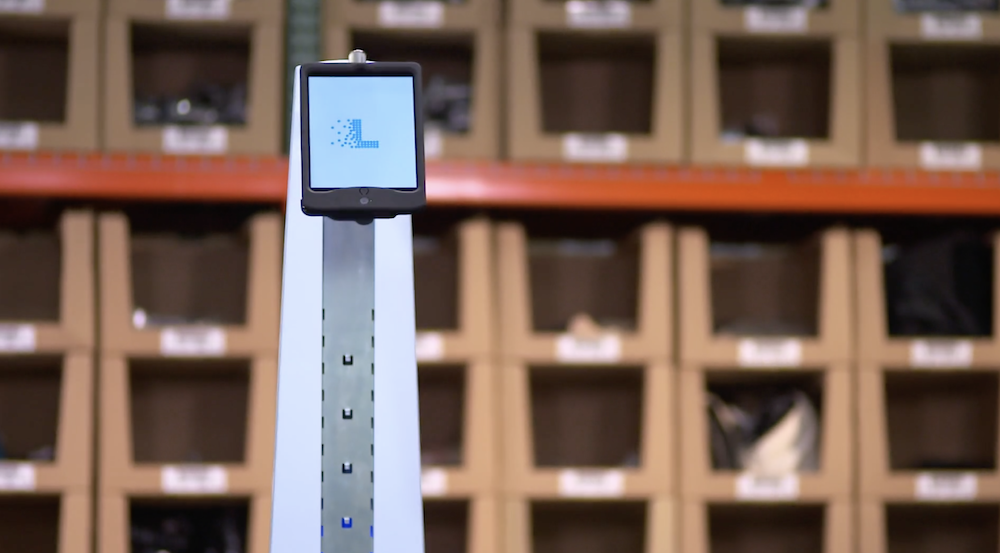 Locus Robotics, a Wilmington, MA-based startup, raised $25 million in a Series B funding led by Silicon Valley Scale Venture Partners, with additional participation from existing investors. Locus plans to use the funds to expand into international markets and build up its growing subscription-based robot fleet. Locus business model uses Robots-as-a-Service (RaaS) which allows customers to use Locus’ solutions without a large-scale capital investment.
The story of how Locus came to be is almost as interesting as why their mobile robots and RaaS business mode are getting so much attention and acceptance.
In March 2012, in an effort to make their distribution centers (DCs) as efficient as possible, Amazon acquired Kiva Systems for $775 million and almost immediately took them in-house. There was a year of confusion after the acquisition whether Kiva would continue providing DCs with Kiva robots. It became clear that Amazon was taking all Kiva’s production and that, at some future date, Kiva would stop supporting their existing client base and focus entirely on Amazon – which happened in April 2015 when Amazon renamed Kiva to Amazon Robotics and encouraged prospective users of Kiva technology to let Amazon Robotics and Amazon Services provide fulfillment within Amazon warehouses using Amazon robots.
Locus Robotics came to be because its founders were early adopters of Kiva Systems robotics technology. When they couldn’t expand with Kiva because Kiva had been taken off the market by Amazon, they were inspired to engineer a system they thought better and which empowered human pickers with mobile robots. The Locus mobile robot and related software are their solution.

AUAI is supported by:









