
Robohub.org
New open source Turtlebot tutorial aims to bring robotic development to the masses
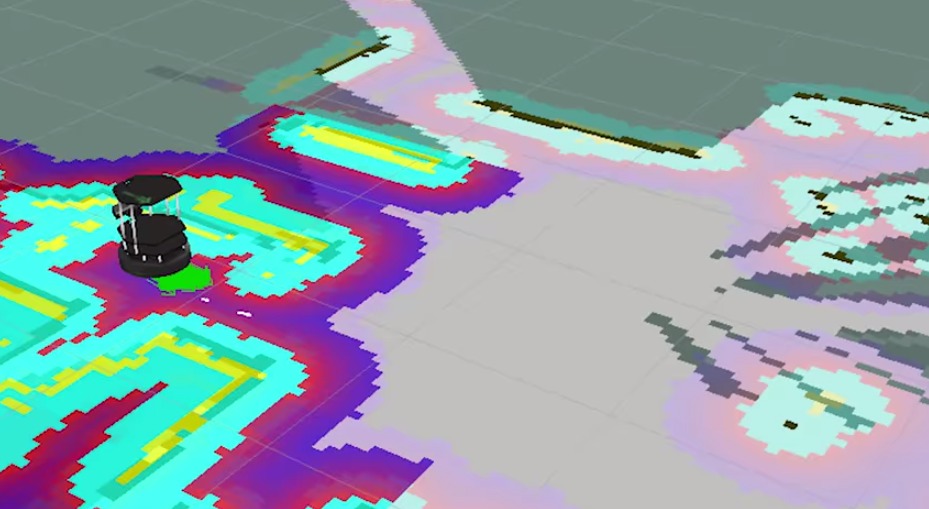 Critical mass is required to start any revolution and robotics will be no different. The newly published open-source project learn.turtlebot.com is designed to introduce high school students and the web development community to ROS, and allow them a fast track to experiencing its uses.
The tutorials take developers from the initial setup of TurtleBot through programming a web app to control it. The final demo is to bring coffee to people around an office, but my ultimate goal is for creative new users to learn from this simple idea and modify at their whim to generate inventive uses and expansions.
I produced this free series in hopes of bringing robotics technology to the web development community. As we recently saw with 3D printers, web developers have a long tradition of embracing emerging technologies. My goal, as a member of both the open-source robotics and web development communities, is to encourage web developers to start learning robotics so that we can see the same sort of creativity and popularity take off.
The way I see it, if we can give developers a taste of ROS’ power, they will invest the time to learn ROS properly. Today robotics stands on the foundation built by many brilliant people and engaged, innovative communities; now it is time to mine the untapped potential of developers not previously involved with robotics. By sparking developers’ interest and teaching them the basics of ROS, I hope to break down even more barriers and put us that much closer to making the robot revolution a reality.
tags: open source, ROS

AUAI is supported by:









