
Robohub.org
 

Offsetting lethal autonomy with empathy | CityAM
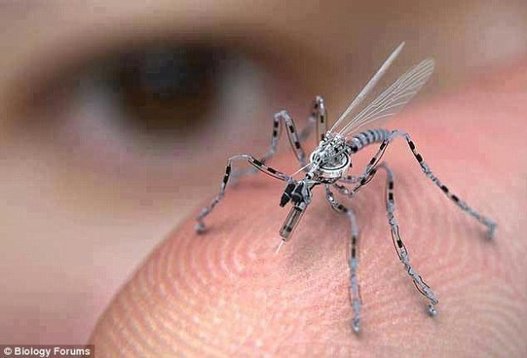

by
27 December 2014


share this:

“The benefits of giving artificial intelligence a bigger role in the military are obvious – on the front line, machines, rather than human lives, would be put at risk (in the case of the attacker, at least), and the potential damage inflicted by a highly efficient and powerful machine far exceeds that inflicted by a human. But with this impact comes greater risk. What if a robot is programmed incorrectly? It could result in thousands of human lives being ended by accident, or in the unintended destruction of huge amounts of expensive infrastructure.”

Source: www.cityam.com

This is a decent overview of the risks involved in investing lethal machines with autonomy, and also the risks (vulnerability to hacking) of not doing so. The argument for the proposed solution is sketchy, but does provide enough information for the reader to locate primary sources.


Via https://twitter.com/DeepStuff

See on Scoop.itCultibotics


John Payne


Related posts :


The science of human touch – and why it’s so hard to replicate in robots

  24 Dec 2025
Trying to give robots a sense of touch forces us to confront just how astonishingly sophisticated human touch really is.

Bio-hybrid robots turn food waste into functional machines

  22 Dec 2025
EPFL scientists have integrated discarded crustacean shells into robotic devices, leveraging the strength and flexibility of natural materials for robotic applications.

Robot Talk Episode 138 – Robots in the environment, with Stefano Mintchev

  19 Dec 2025
In the latest episode of the Robot Talk podcast, Claire chatted to Stefano Mintchev from ETH Zürich about robots to explore and monitor the natural environment.

Artificial tendons give muscle-powered robots a boost

  18 Dec 2025
The new design from MIT engineers could pump up many biohybrid builds.

Robot Talk Episode 137 – Getting two-legged robots moving, with Oluwami Dosunmu-Ogunbi

  12 Dec 2025
In the latest episode of the Robot Talk podcast, Claire chatted to Oluwami Dosunmu-Ogunbi from Ohio Northern University about bipedal robots that can walk and even climb stairs.

Radboud chemists are working with companies and robots on the transition from oil-based to bio-based materials

  10 Dec 2025
The search for new materials can be accelerated by using robots and AI models.


Robohub is supported by:


Would you like to learn how to tell impactful stories about your robot or AI system?


scicomm
training the next generation of science communicators in robotics & AI


©2025.05 - Association for the Understanding of Artificial Intelligence









