
Robohub.org
The obsession with creating ‘perfect female robots’: Should women be worried?
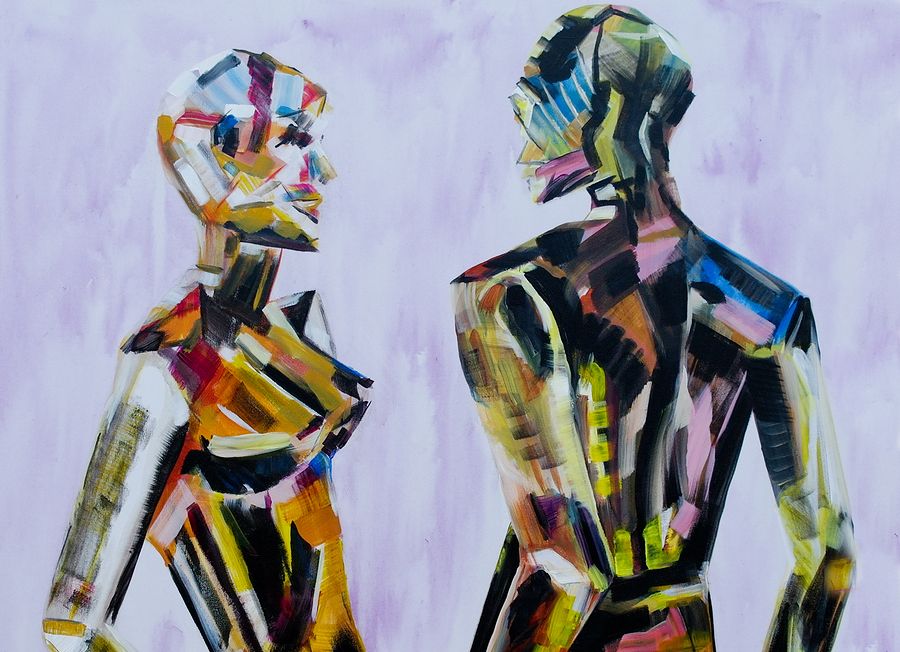
Julie Wosk is the author of a provocative book that gives the history of female robots in movies, television, art, literature, and includes a chapter on robotics. My Fair Ladies: Female Robots, Androids, and Other Artificial Eves (Rutgers University Press) features the way men have used science and technology to create their idea of “The Perfect Woman” — women like the beautiful robots in The Stepford Wives that are always sexually available and love to cook and clean. The book also highlights today’s women in robotics who are challenging the old stereotypes by using their skills and expertise to develop personal robots for the future. Here is a short statement from the author and excerpt from her chapter, “Dancing With Robots and Women in Robotics Design.”
In my book, I see multiple tracks in robotics today. There are humanoid female robots being developed by roboticists like Professor Hiroshi Ishiguro of Osaka University in Japan, and David Hanson of Hanson Robotics based in Hong Kong. These attractive robots which usually look like young women in their twenties have expressive faces and rudimentary interactive speaking capabilities. So far, Professor Ishiguro has used his robots for roles like a receptionist and even an actor (in the play Sayonara by Oriza Hirata, Ishiguro’s female robot Geminoid F plays the role of a caretaker for a terminally ill young woman in a near-future world. The 2015 film version by noted director Kôji Fukada will be showing at Manhattan’s Japan Society on July 17, 2016).
There are also sex robots like Douglas Hines’ True Companion Roxxxy sex robots that are interactive and can have electronic “conversations.” For users, these silicone robots have special appeal: they are totally compliant and unlike real women, don’t have any needs or minds of their own.
And there are more gender neutral, socially-aware robots with the capacity for empathy being developed by American roboticists, such as Professor Cynthia Breazeal at MIT and Professor Andrea Thomaz at Georgia Institute of Technology who are working with colleagues to create robots for social use in areas such eldercare and childcare.
The female robots described in My Fair Ladies (including robots in the old vintage television Twilight Zone and Star Trek series) helped set the stage for today’s movies like Ex Machina where the robot Ava is intelligent, alluring, empathetic, and seductive. These earlier robots often reflect men’s fantasies, and are forerunners of the latest Roxxxy sex robots advertised as using technology to “provide a perfect partner.” On its website, Hanson Robotics pictures its current prototype robot named Sophia and asks coyly, “Could You Fall in Love With This Robot?” Even here, it seems hard for men not to picture female robots as love objects.
We are left wondering: Should women worry? Will these “perfect females” replace them sometime in the future?
Chapter adapted from My Fair Ladies: Female Robots, Androids, and Other Artificial Eves. New Brunswick: Rutgers University Press, 2015. Copyright © 2015 by Julie Wosk. Reprinted by permission of Rutgers University Press.
tags: Artificial Intelligence, c-Politics-Law-Society

AUAI is supported by:









