
Robohub.org
What three days building a robot taught me
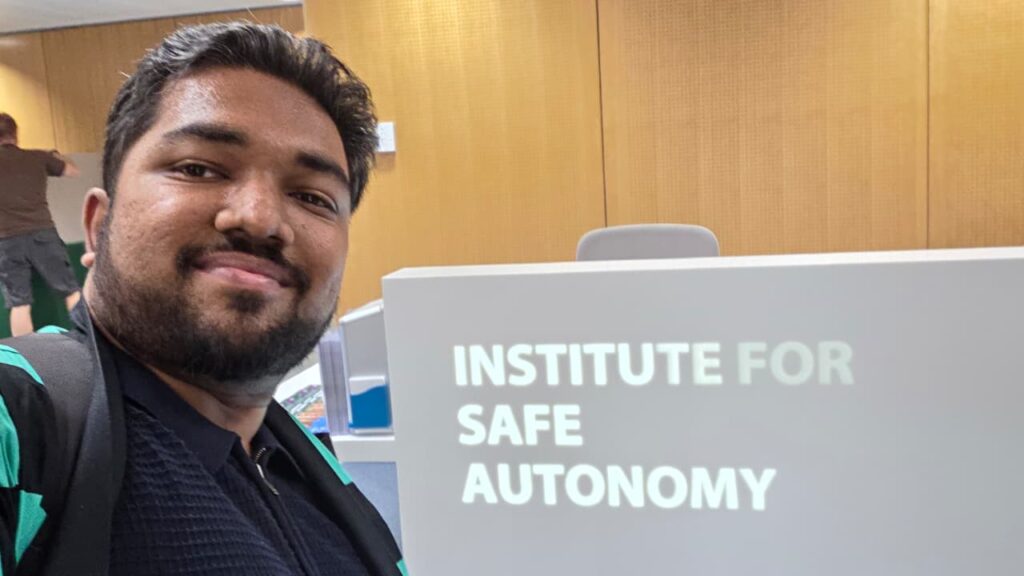
Last month, I went to York to build a robot. I came back with a robot, a tiny trophy-shaped sense of achievement, and somehow a few new friends.
From 25th-27th August, I joined the UK RAS STEPS MicroMaze Robot Hackathon at the Institute for Safe Autonomy, University of York.
The brief sounded simple: build a small autonomous robot, then make it survive increasingly difficult mazes. Simple… right? Until you actually have to build one.
Over three days, Emily, Joolz and I went from a box of parts and a laser-cut chassis to a robot that could actually make its way through a maze. There were sensors, motors, Raspberry Pi Pico W, MicroPython, plenty of debugging and, of course, the occasional, “Why is it doing THAT?”
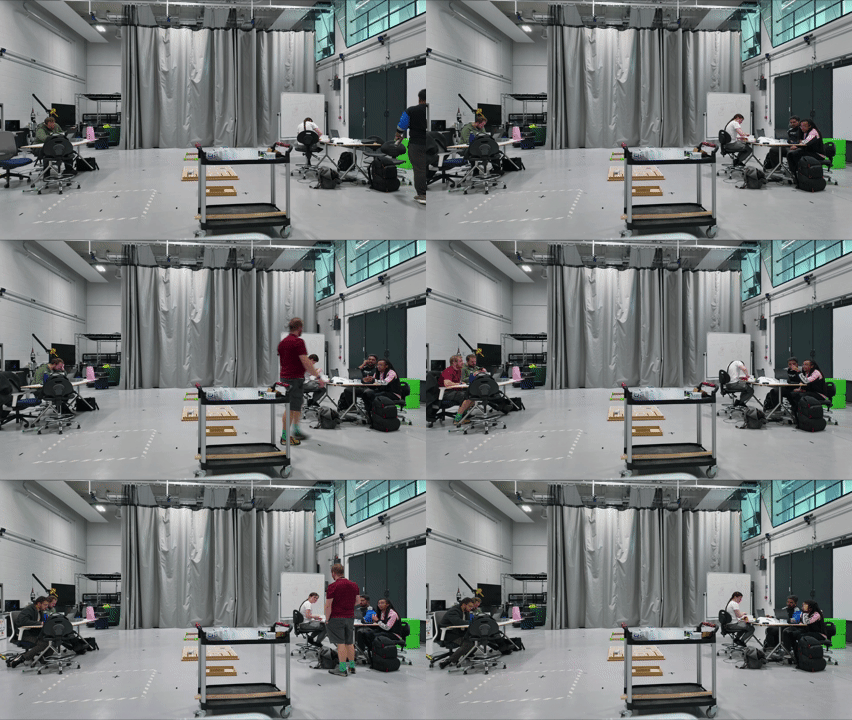
But to be honest, looking back, the technical part wasn’t even my favourite bit. Somewhere between building, debugging, failed runs and laughing at our own mistakes, the three of us went from a team that had just met to people I now genuinely consider friends.
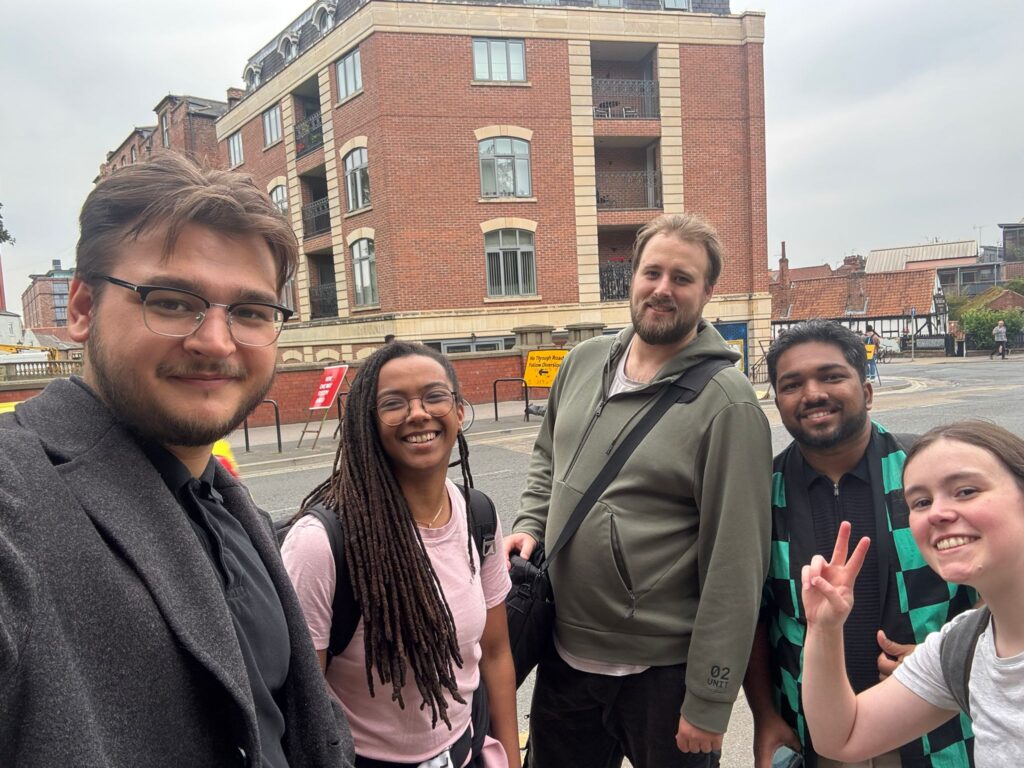
And on the final day, Michael Smith, Eugen Guritanu, Emily, Joolz and I spent the day wandering around York, eating, talking and generally making the most of being there. It’s funny how quickly that happens at these events. You arrive knowing very few people. A few days later, you’re discussing robots, arguing about how to fix things, sharing stories and making plans to meet again.
We also got to spend some time at the Institute for Safe Autonomy, which was a brilliant setting for the hackathon. There’s something quite fitting about asking a room full of technical people to make a tiny autonomous robot behave itself.
A huge thank you to (always witty ‘n’ playful) Rob Woolley for organising the hackathon, and to the Institute for Safe Autonomy, University of York and the wider UK RAS STEPS team for creating these opportunities for Research Technical Professionals.
And finally Emily, Joolz, Michael and Eugen, I’m very glad a robotics hackathon turned into a York friendship trip :-)
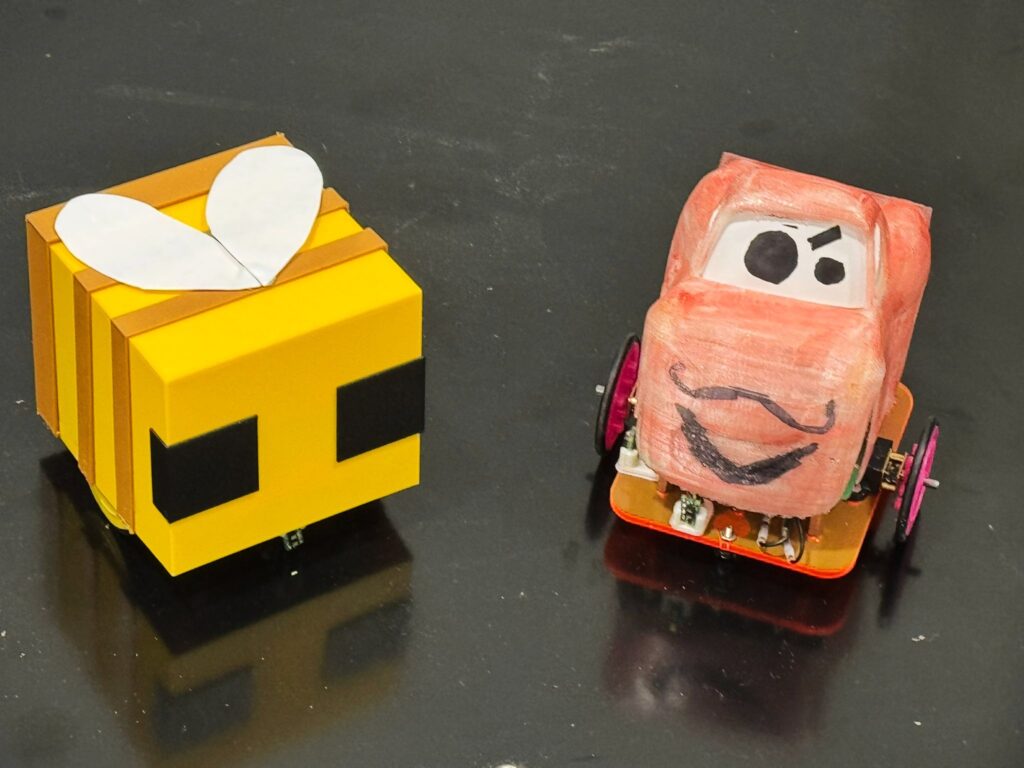
For now, I’ll leave you with a few tiny robots, some good York memories, and another reminder that sometimes the best things you build at these events aren’t always the things you planned to build.

AUAI is supported by: