Robohub.org
 

3’600-strong underwater robot sensor network returns 1’000’000th measurement, has scientists craving for more

by
05 February 2013


share this:
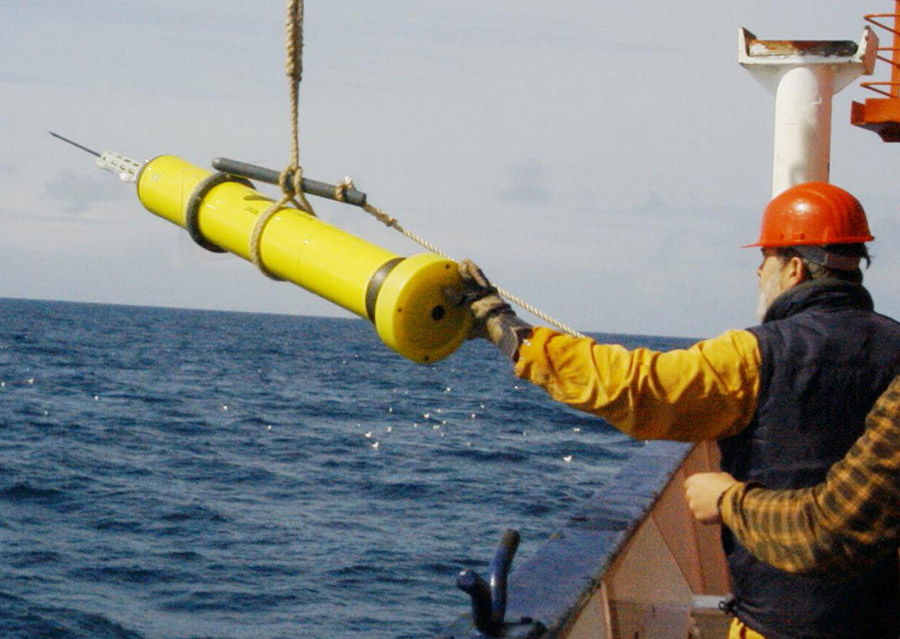
Apex_deployment_Germany

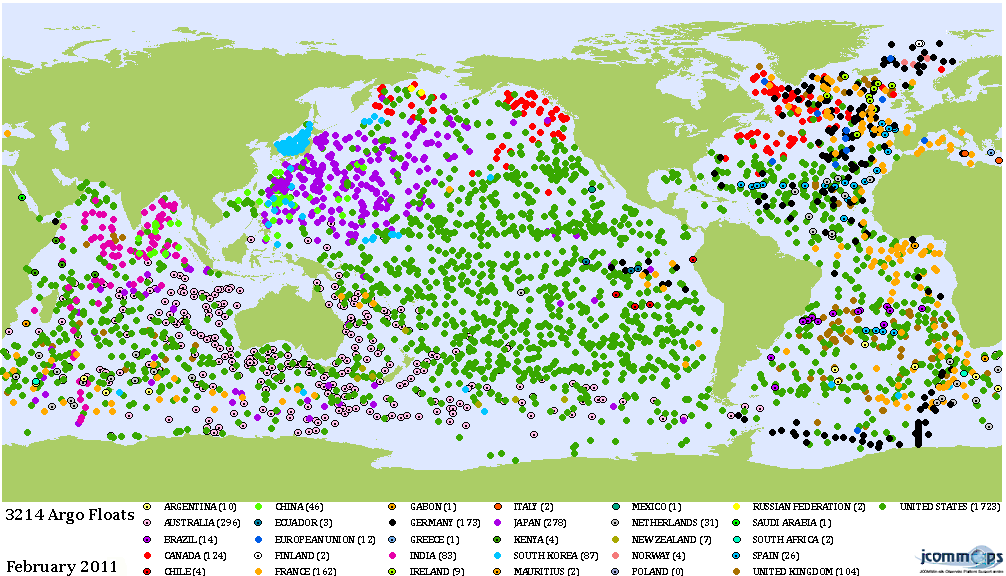
The Argo project, which has deployed a network of more than 3’600 robots covering all of the world’s oceans, has returned it’s 1’000’000th measurement.

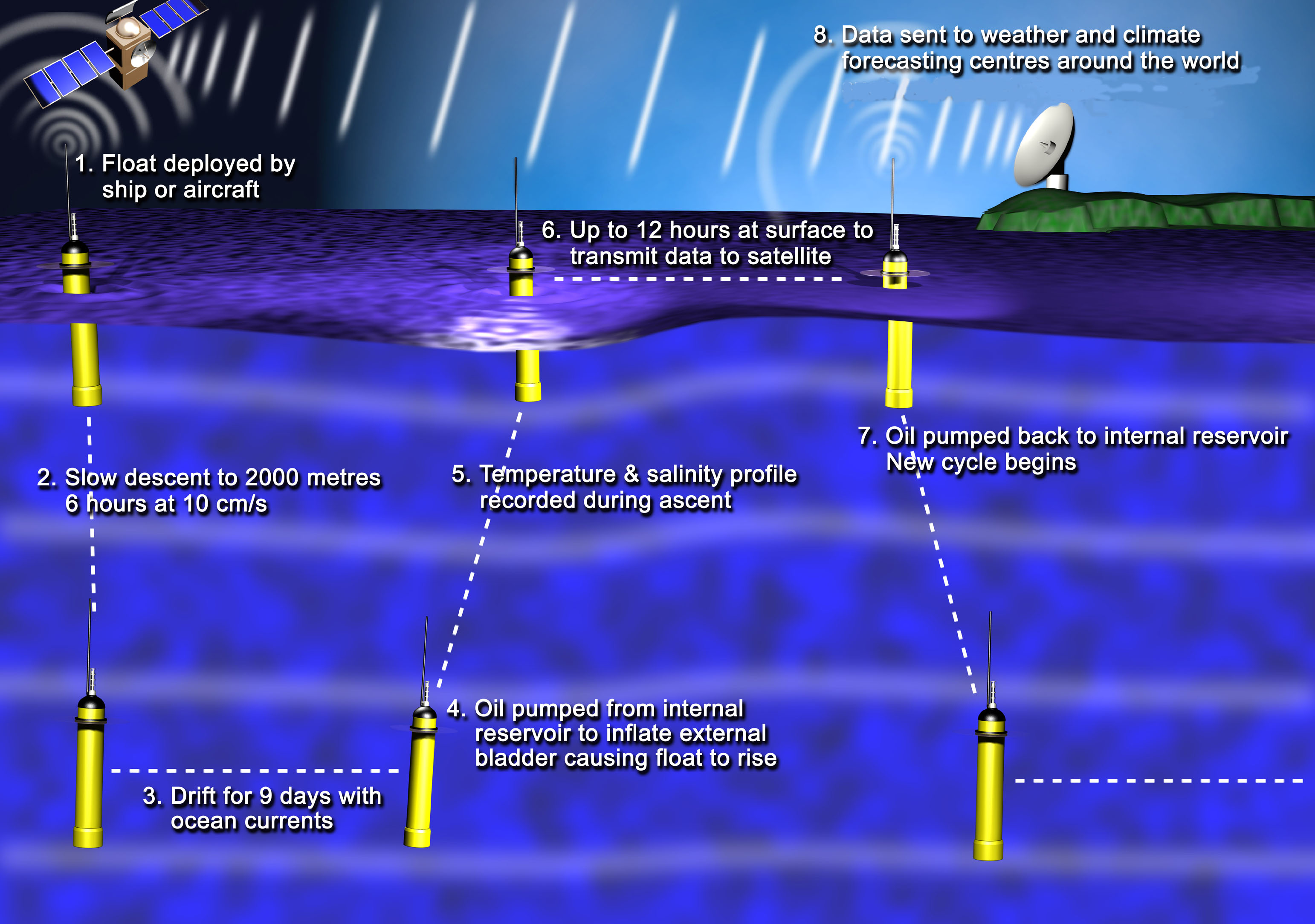
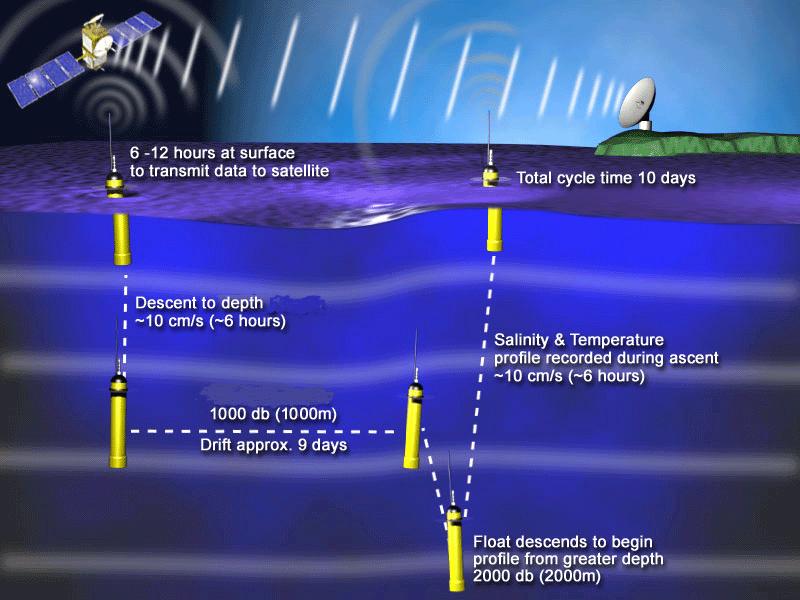
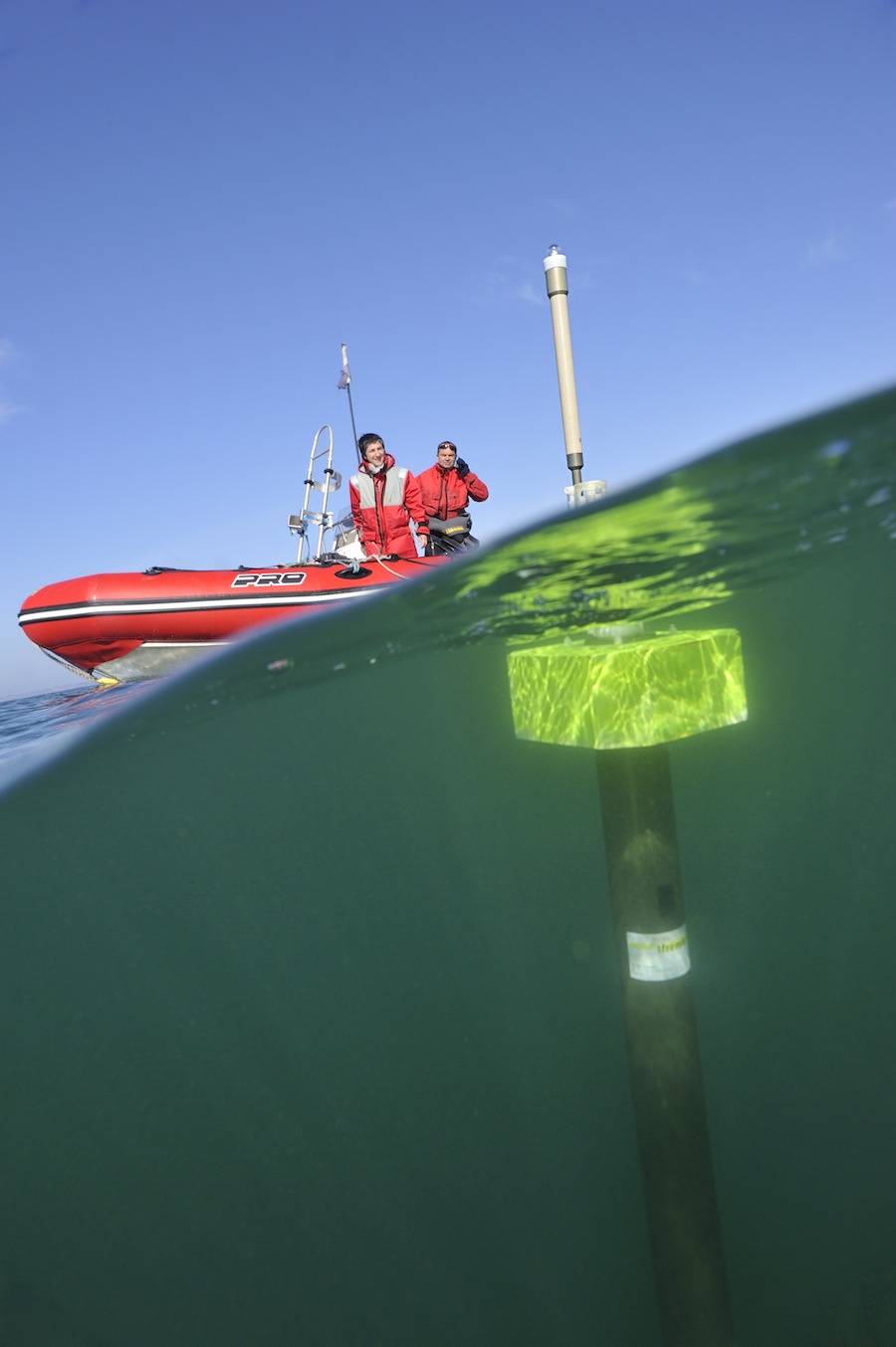
The yellow underwater robots with their characteristic cylindrical body topped by an antenna have now been successfully used for more than 10 years for precise, long-term measurements of ocean temperatures and salt content. The robots stay submerged for up to 10 days at a time, drifting with ocean currents at a specified depth, or rising and falling in pre-defined paths down to depths of 2000 meters. Upon surfacing, they send their recorded data and current position home via satellite link. The recorded data are then made freely available online in near real-time.
argo network - 2011-02-countries

The gigantic network of robot sensors has resulted in a wealth of data, with more than 100 scientific papers published a year. However, it seems scientists on the project agree that Argo’s 10 year data set is not yet long enough to draw reliable conclusions for global change signals such as a global rise in ocean temperatures.

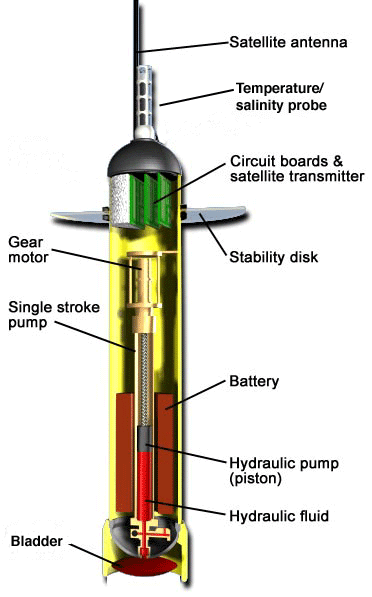
Here are some photos that explain the process:
Arvor_iridium Robohub - Argo csection Robohub - Argo floatcyclescaled Robohub - Argo operation_park_profile

Photos: Argo project


tags: , , , , , , ,


Markus Waibel is a Co-Founder and COO of Verity Studios AG, Co-Founder of Robohub and the ROBOTS Podcast.

            AUAI is supported by:


Subscribe to Robohub newsletter on substack


Related posts :

Developing active and flexible microrobots

  13 May 2026
This class of robots opens up possibilities for biomedical applications.

How to teach the same skill to different robots

  11 May 2026
A new framework to teach a skill to robots with different mechanical designs, allowing them to carry out the same task without rewriting code for each.

Robot Talk Episode 155 – Making aerial robots smarter, with Melissa Greeff

  08 May 2026
In the latest episode of the Robot Talk podcast, Claire chatted to Melissa Greeff from Queen's University about autonomous navigation and learning for drones.

New understanding of insect flight points way to stable flapping-wing robots

  07 May 2026
The way bugs and birds flap their wings may look effortless, but the dynamics that keep them aloft are dizzyingly complex and difficult to quantify.

Robotically assembled building blocks could make construction more efficient and sustainable

  05 May 2026
Research suggests constructing a simple building from interlocking subunits should be mechanically feasible and have a much smaller carbon footprint.

Robot Talk Episode 154 – Visual navigation in insects and robots, with Andrew Philippides

  01 May 2026
In the latest episode of the Robot Talk podcast, Claire chatted to Andrew Philippides from the University of Sussex about what we can learn from ants and bees to improve robot navigation.

Ultralightweight sonar plus AI lets tiny drones navigate like bats

  29 Apr 2026
Researchers develop ultrasound-based perception system inspired by bat echolocation.

Gradient-based planning for world models at longer horizons

  28 Apr 2026
What were the problems that motivated this project and what was the approach to address them?


AUAI is supported by:


Subscribe to Robohub newsletter on substack


©2026.02 - Association for the Understanding of Artificial Intelligence