Robohub.org
 

3D Robotics presents SOLO, their most consumer oriented drone yet

by
15 April 2015


share this:
solo-2

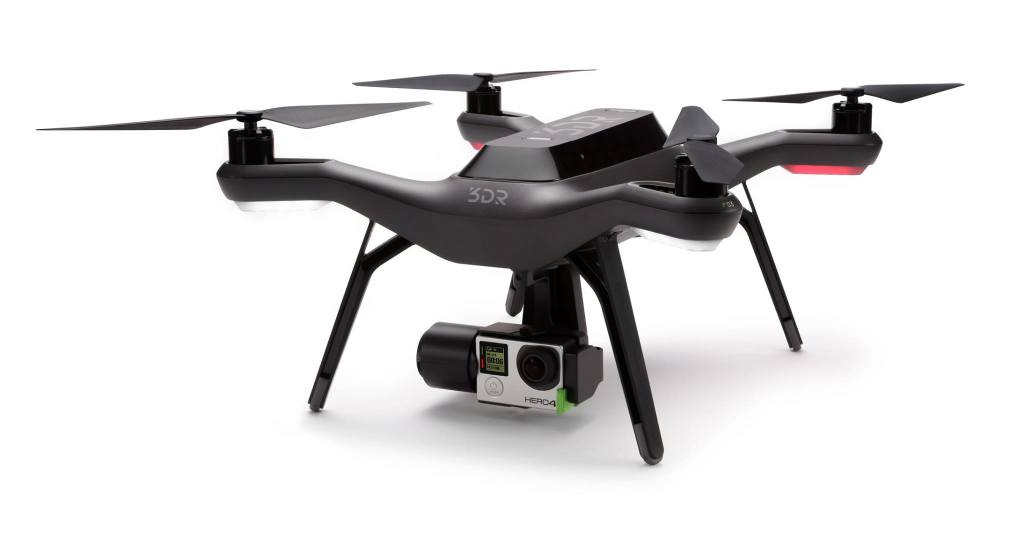
Following a Kubrick’s 2001 lookalike teaser video, 3D Robotics (3DR) presented their most ambitious product yet, ‘SOLO’ – an advanced quadcopter that above all focuses on ease of use and hassle-free operation, along with some quite unique features.
solo

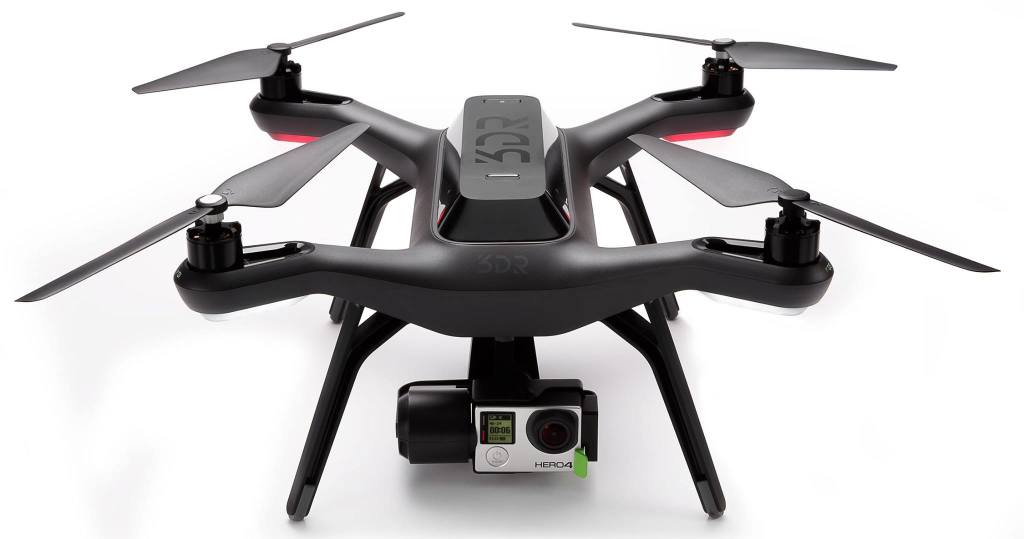
The first thing you will notice is that Solo has a very elegant design. On par with the competition from DJI (the current market leader) and Parrot, Solo was designed by Astro Studios, a well-established industrial design agency, and is far more polished than Iris, the first 3DR consumer-friendly drone.
controller-transparent
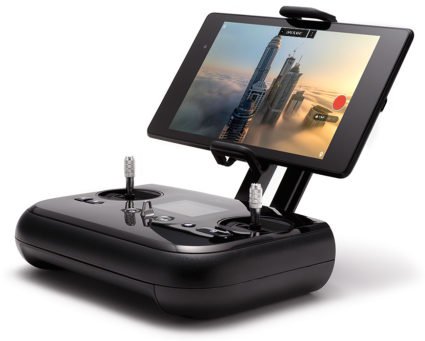
Solo has all the features one can expect from a very advanced camera drone. It uses 3DR’s Pixhawk2 autopilot along with a separate second linux mission computer and a dedicated controller that can host a smartphone or tablet. The gimbal (sold separately) can not only accommodate a GoPro camera (also sold separately), but for the first time the controller and its software can control the camera through the software (in a similar fashion to the GoPro app but this time integrated on 3DR’s software).

As stated from 3DR the goal is to forget about flying the drone and just manipulate the camera while the autopilot takes care of the rest.

You can take a look at Solo’s functions on the official video below or from 3Drobotics website.

https://www.youtube.com/watch?v=SP3Dgr9S4pM

It is worth noticing that, for the first time, 3DR is outsourcing the manufacturing to China, a move that possibly underlines their sales plans (they continue to use their own factories for the production of the rest of their product range). Solo is slightly more expensive than its direct competitors (like Phantom 3), but if you take into account the actual features, specs and equipment, the pricing is really close.

You can read the following articles for more details, some hands-on experience from the actual product and more.

http://www.theverge.com/2015/4/13/8394359/3d-robotics-solo-drone-quadcopter-gopro
http://gizmodo.com/3drs-new-solo-drone-promises-airborne-footage-without-a-1697427874
http://www.bidnessetc.com/39699-best-buy-co-will-sport-smart-drones-by-3d-robotics/

A video feature from Verge :


tags: , ,


Ioannis K. Erripis joined the ROBOTS association in early 2011 as a news reporter and now leads all technical aspects of the Robohub project, including website design, implementation and branding.

            AUAI is supported by:


Subscribe to Robohub newsletter on substack


Related posts :

Robotics roadmaps from around the world spotlight of the month: United States of America

US robotics researchers and industry are looking for a cohesive national robotics strategy.

Could robots help tackle loneliness? BBC’s Ann Droid raises questions about the future of care

  07 Sep 2026
While the series exaggerates what robots can currently do, some of the technology it depicts is already being tested.

Exploring the Moon will require rovers that can think for themselves – an upcoming NASA mission will test whether they can

  04 Sep 2026
NASA is planning to send three small rovers to the Moon to autonomously compute how to best explore a patch of ground.

Surviving the paper deluge: Notes from an ICRA panel on publishing, LLMs, and the future of peer review

Experts discuss peer-review challenges and possibilities for reshaping the process.

When expressive humanoid robots are awkward, people become wary – new brain study

  31 Aug 2026
People become more suspicious of a humanoid robot that makes errors, especially when the robot is an expressive conversation partner.

First 11 vs 11 humanoid soccer game played at RoboCup 2026

  28 Aug 2026
Watch highlights from this historic match.

How green is your robot? And other awkward questions

Robots clean rivers and sort waste, monitor ecosystems, and inspect renewable-energy infrastructure. But even the greenest robot has an environmental footprint.

These tiny drones are powered by sound

  24 Aug 2026
EPFL engineers have designed acoustic cavities that convert sound waves into thrust, propelling small robots and ultralight aerial vehicles without on-board actuators or electronics.


AUAI is supported by:


Subscribe to Robohub newsletter on substack


©2026.05 - Association for the Understanding of Artificial Intelligence