
Robohub.org
The art of making robots – #ICRA2022 Day 2 interviews and video digest
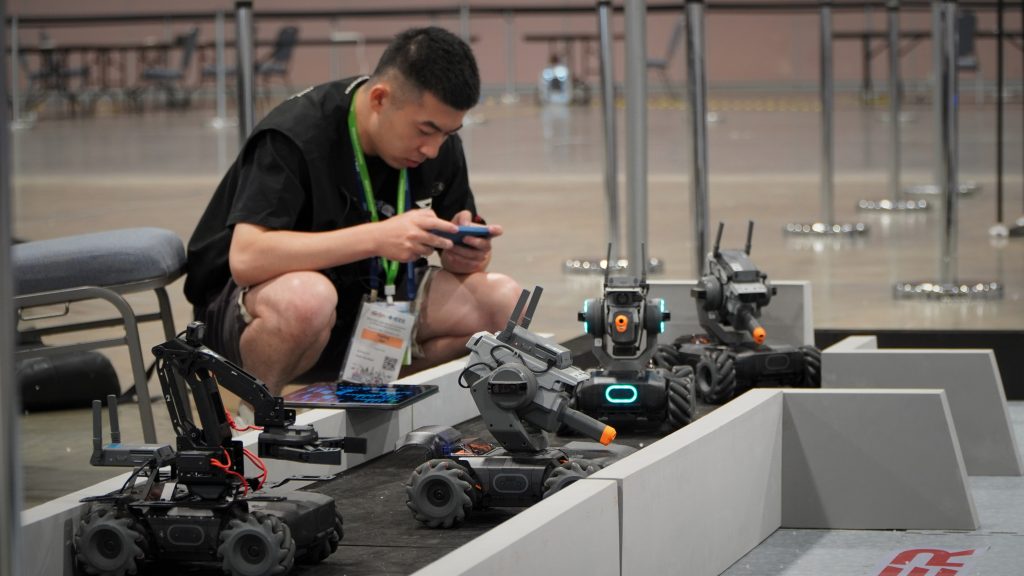
Every year, ICRA gathers an astonishing number of robot makers. With a quick look at the exhibitors, one can already perceive the immense creativity and inventiveness that creators put in their robots. To my eyes, creating a robot is an art: how does a robot should look like? What would it be good for? Should we go for legs or wheels? There are too many questions!
Every robot maker probably has a different answer to all these questions, and that is great. We are in the infancy of the consumer robotics industry and that lets us be open to all possibilities. It is an exciting moment to see how the large and diverse ecosystem of robots develops. Many companies are already driving this evolution of robotics systems, often committed to make better, safer, and more efficient robots.
This is the case of Clearpath Robotics, producers of state-of-the-art multi-purpose mobile robot platforms, and PAL Robotics, producers of robots that aim to enhance people’s quality of life. I met Bryan Webb, President of Clearpath, and Carlos Vivas, Business Manager of PAL Robotics, and I asked them about their thoughts on the art of making robots. Below some excerpts from their answers.
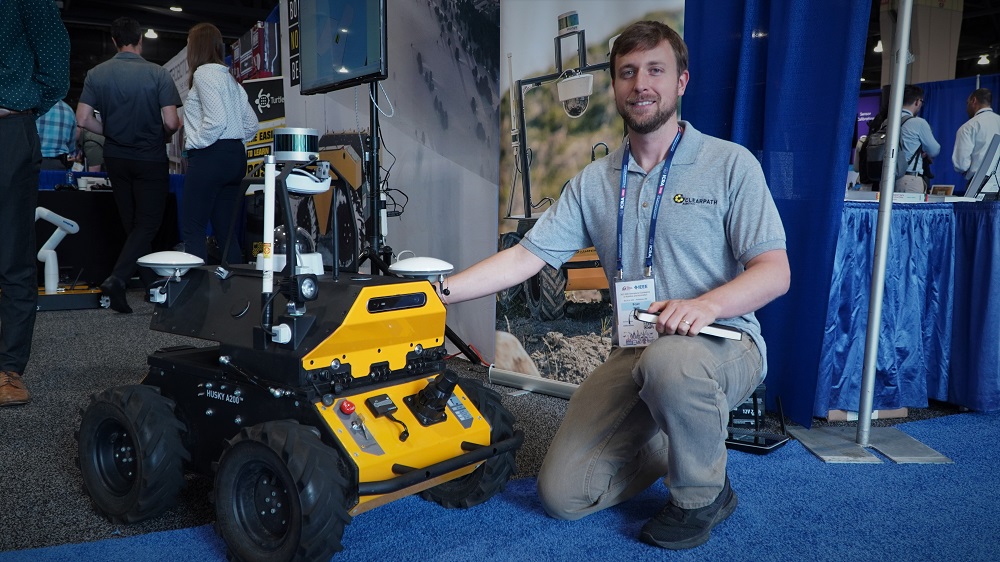
Bryan Webb
Q1. What comes to your mind if I say that making robots is an art?
People need to be able to connect with the robots. There need to be ergonomic and aesthetic features that make it easy for people to use and connect with a robot. Some people call that art, because you cannot reduce it very well to a science.
Q2. How is the process that gets you from ‘I want to make a robot’ to ‘I have a robot’ and, later, to ‘I am selling a robot’?
We talk a lot with costumers about their needs. That is what drives our innovation. There are two streams that we look at there: how can we improve our existing products and make them better?; and, are there any gaps in the market where people are trying to do research and where there is no solution yet?
Q3. What does it mean for you and for your company to be in ICRA 2022?
It is so important. It is just very good to be able to connect again. One just gets a lot of information by sharing and talking with costumers and other exhibitors.
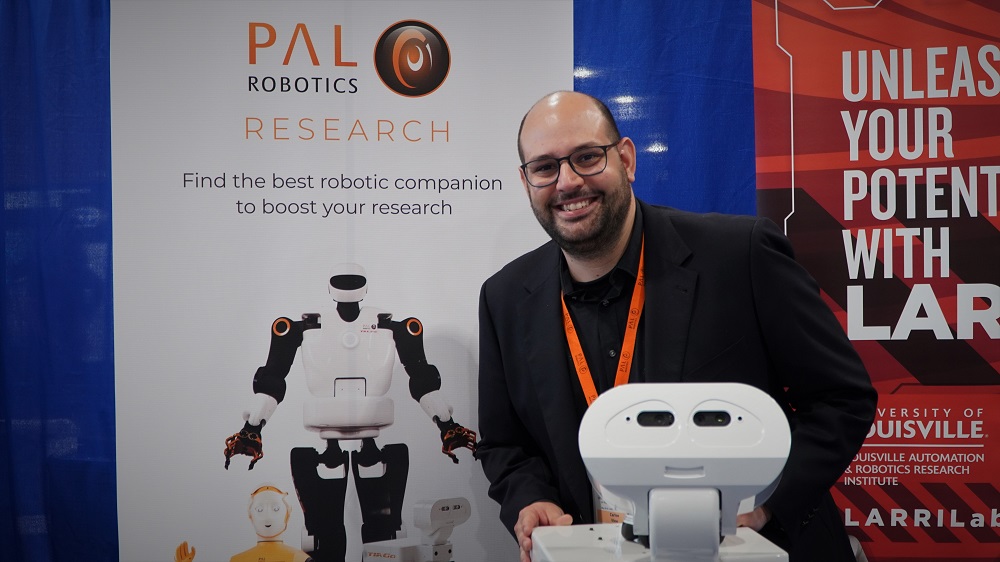
Carlos Vivas
Q1. What comes to your mind if I say that making robots is an art?
Making robots can be an art. There are a lot of processes that require inspiration, creativity, and thrive, but they also need functionality. It is a nice mix. Probably, it is an art to make it work all together.
Q2. How is the process that gets you from ‘I want to make a robot’ to ‘I have a robot’ and, later, to ‘I am selling a robot’?
For us, everything starts because we want to solve a problem, or we want to help a community. After that, we do it so that it is useful for the people.
Q3. What does it mean for you and for your company to be in ICRA 2022?
This year is very special because, after the pandemic, is great to see a lot of good friends again. We love being part of the robotics research community. I am happy to be here.
Finally, do not miss the most funky robots in #ICRA2022.
tags: events, icra2022

AUAI is supported by:









