
Robohub.org
True AI, or clever simulation? Transcendence movie has Johnny Depp crossing the Singularity
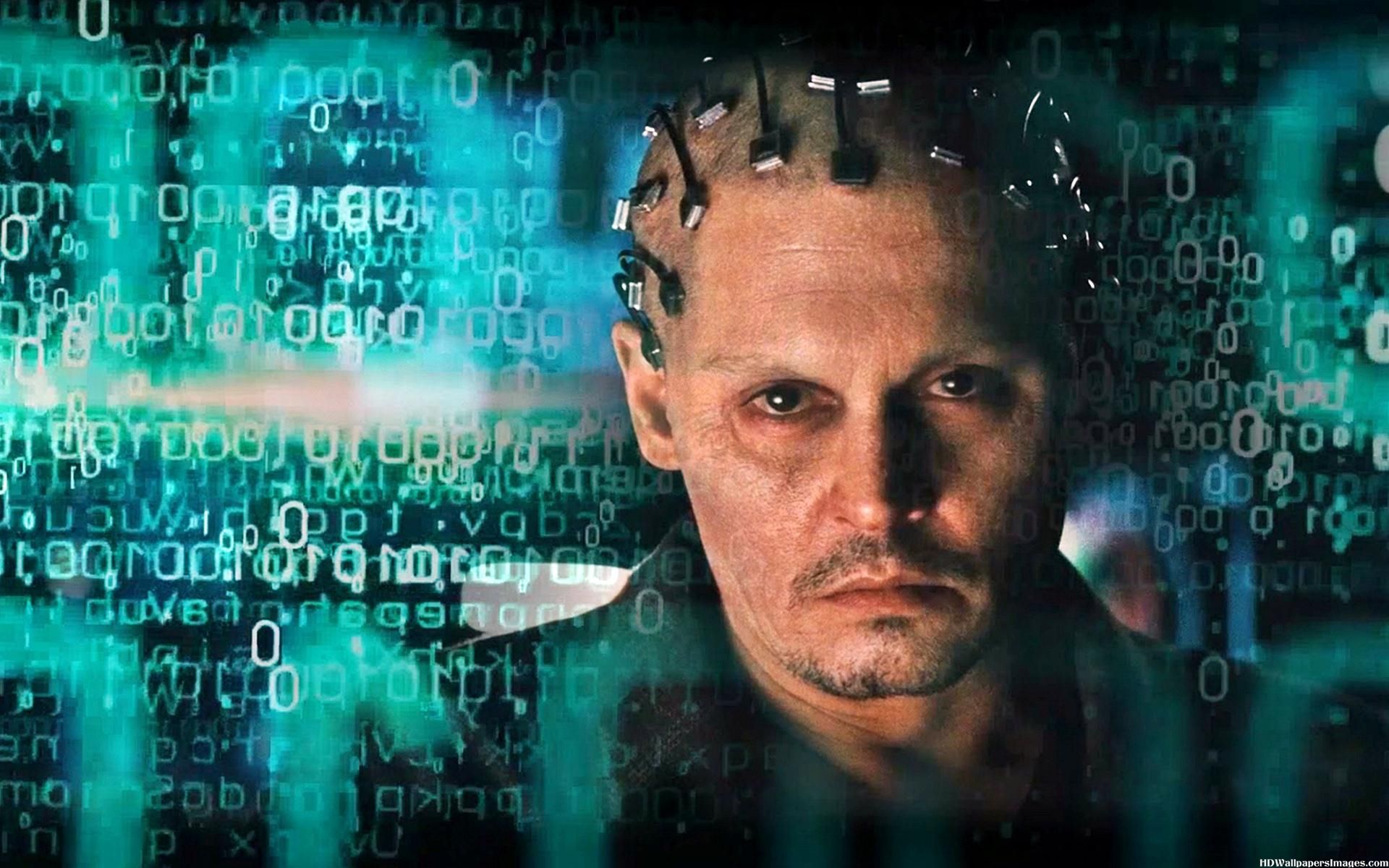 I was inspired to write this article after recently watching Transcendence starring Johnny Depp and reading this article “Death is Optional.” What will the world look like when we cross the singularity and our bodies become inorganic?
When most people think of AI getting out of control, they almost always point to Terminator or HAL. In ‘Transcendance,’ Johnny Depp, plays Dr. Will Caster, whose work in AI creates PINN, (physically independent neural network), the core of which is used to create a transcendent Caster after he dies of radioactive poisoning from a terrorist group.
 Without spoiling the film, it goes on to determine whether the inorganic Caster is the true embodiment, or just a clever AI computer simulation. This is often a difficult line to decipher, as high levels of intelligence can often mask consciousness. Take IBM’s Watson for example. With four terabytes of data and the ability to crush human opponents in Jeopardy, Watson is far from being conscious. Certainly a huge feat by the IBM’ers who enabled it to recognize the context of the answer, sort through millions of facts and then deliver a question. One could similarly program an output of solely witty comments that cause us to laugh, rather than answers (err questions), but that does not make it any more human-like or conscious.
Some may argue that the test for consciousness is that “we’ll know it when we see it.” We have a difficult enough time identifying just when consciousness arises in babies, where again, there is no universal test or set of guidelines. Perhaps, it is films like Transcendence that will help humans understand more about ourselves, and allow robots to teach us about what being human is all about.
If you liked this article, you may also be interested in:
- Ability to self-repair isn’t the same as consciousness: Analyzing Automata from a tech standpoint
- Automata: The new “sci-fi” blockbuster set to put robot ethics under a spotlight
- The real soft robots that inspired Baymax, with Chris Atkeson
- While most robots are either geek or jock, CHAPPiE is a lesson in sexy
- 12 favorite robot movies – new and old
See all the latest robotics news on Robohub, or sign up for our weekly newsletter.
tags: AI, Artificial Intelligence, c-Arts-Entertainment, film, Turing Test

AUAI is supported by:









