Robohub.org
 

Advanced Robotics Manufacturing Institute in planning for USA

by and
31 May 2016


share this:
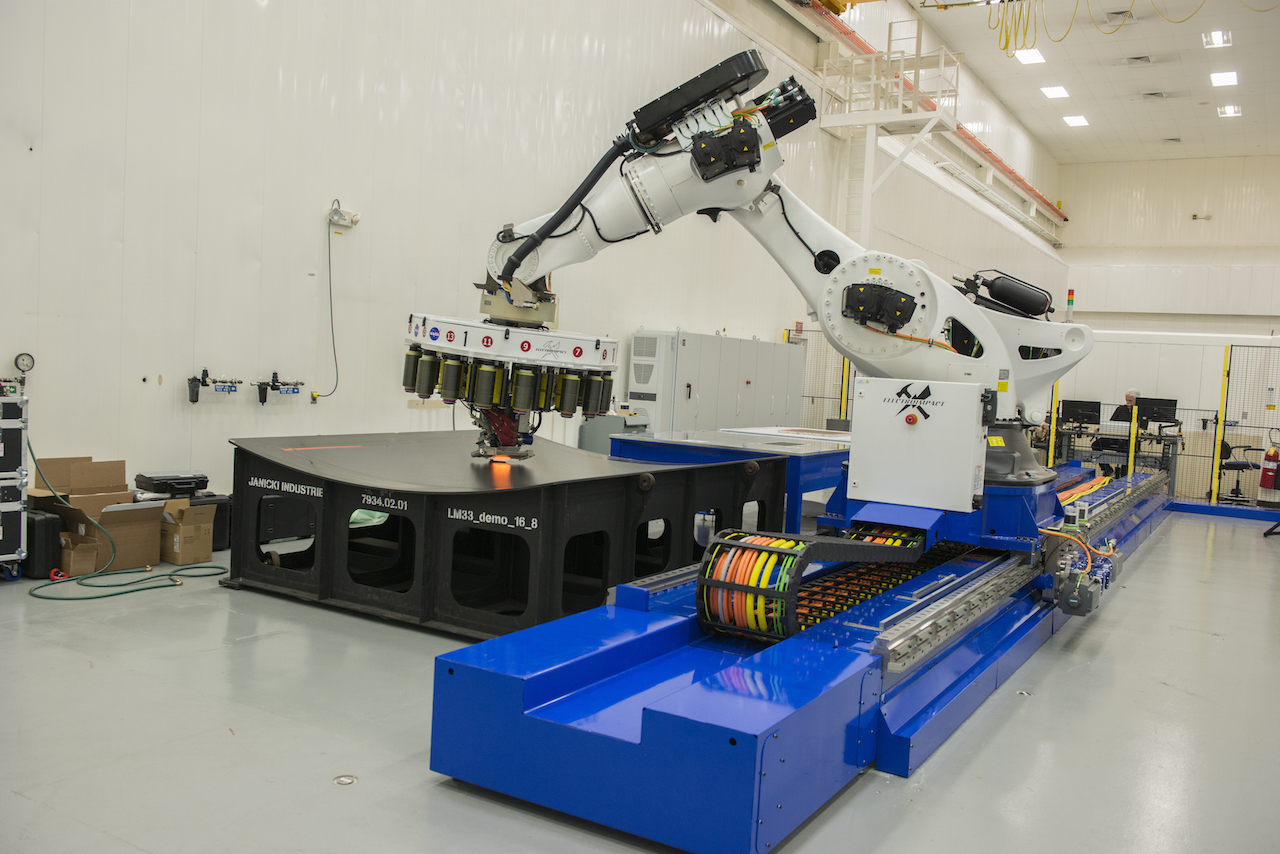
Robot weaving carbon fiber into rocket parts. Source: NASA/YouTube

Robot weaving carbon fiber into rocket parts. Source: NASA/YouTube

The US just moved a step closer to building an advanced robotics institute modeled on the hugely successful Fraunhofer Institutes. The proposed ARM or Advanced Robotics Manufacturing Institute is one of seven candidates moving forward in an open bid for $70 million funding from NIST for an innovation institute to join the National Network for Manufacturing Innovation. Previously funded institutes are for advanced composites, flexible electronics, digital and additive manufacturing, semiconductor technology, textiles and photonics.

The ARM Institute bid is being led by Georgia Tech and CMU, alongside several other universities, including MIT, RPI, USC, UPENN, TAMU and UC Berkeley. At a recent ‘industry day’ at UC Berkeley on May 25, an invitation was extended to “all companies, regional economic development organizations, colleges and universities, government representatives and non-­profit groups with interests in advanced and collaborative robotics industry to participate in this initiative to ensure the competitiveness of US robotics and thereby enhance the quality of life of our citizens.”

Industry participation is critical to the success of the ARM institute. Industry is expected to provide matching funding to the NIST grant, but also strategically to provide guidance in setting the priorities of the initiative. Currently defined as:

  • Collaborative Robotics
  • Rapid Deployment of Flexible Robotic Manufacturing
  • Low-cost Mass Production in Quantities of One

The vision is to create a national resource of manufacturing research and solutions, linking regional hubs and manufacturing centers. An important component of this vision is providing a pathway for SMEs and startups to connect with established industry and research partners.
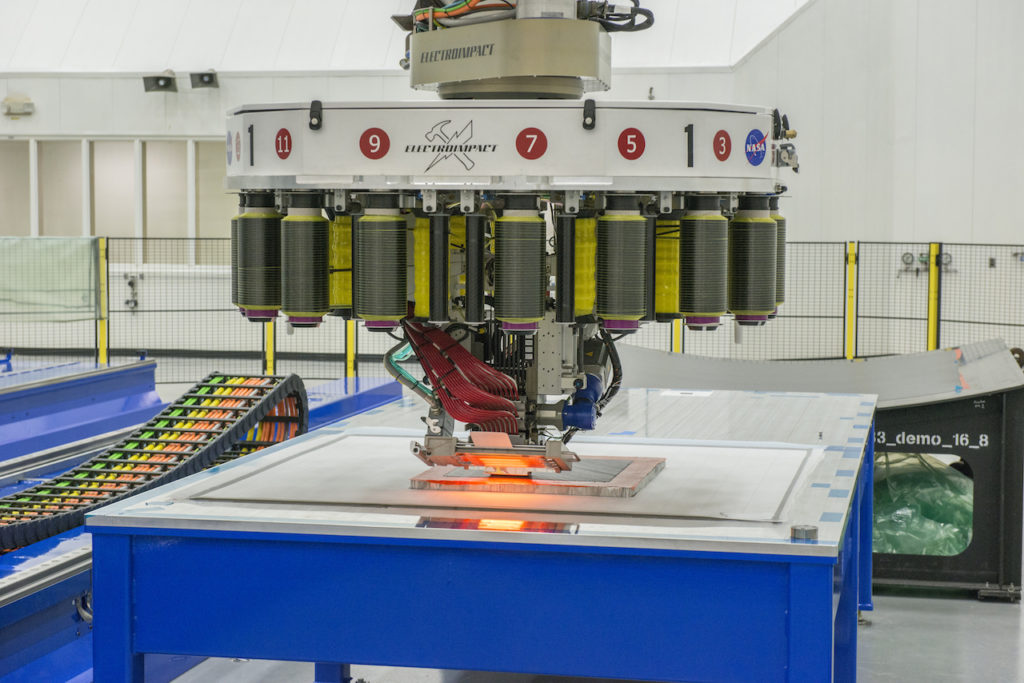
Source: NASA/YouTube

Source: NASA/YouTube

To participate in the ARM Institute bid, industry leaders, SMEs and startups are expected to provide a non-binding letter of support before June 15. For more information see the ARM Institute. If the bid is successful, the ARM Institute may start as early as first quarter 2017.


tags: ,


Andra Keay is the Managing Director of Silicon Valley Robotics, founder of Women in Robotics and is a mentor, investor and advisor to startups, accelerators and think tanks, with a strong interest in commercializing socially positive robotics and AI.

Silicon Valley Robotics is an industry association supporting innovation and commercialization of robotics technologies.


Related posts :


The science of human touch – and why it’s so hard to replicate in robots

  24 Dec 2025
Trying to give robots a sense of touch forces us to confront just how astonishingly sophisticated human touch really is.

Bio-hybrid robots turn food waste into functional machines

  22 Dec 2025
EPFL scientists have integrated discarded crustacean shells into robotic devices, leveraging the strength and flexibility of natural materials for robotic applications.

Robot Talk Episode 138 – Robots in the environment, with Stefano Mintchev

  19 Dec 2025
In the latest episode of the Robot Talk podcast, Claire chatted to Stefano Mintchev from ETH Zürich about robots to explore and monitor the natural environment.

Artificial tendons give muscle-powered robots a boost

  18 Dec 2025
The new design from MIT engineers could pump up many biohybrid builds.

Robot Talk Episode 137 – Getting two-legged robots moving, with Oluwami Dosunmu-Ogunbi

  12 Dec 2025
In the latest episode of the Robot Talk podcast, Claire chatted to Oluwami Dosunmu-Ogunbi from Ohio Northern University about bipedal robots that can walk and even climb stairs.

Radboud chemists are working with companies and robots on the transition from oil-based to bio-based materials

  10 Dec 2025
The search for new materials can be accelerated by using robots and AI models.


Robohub is supported by:


Would you like to learn how to tell impactful stories about your robot or AI system?


scicomm
training the next generation of science communicators in robotics & AI


©2025.05 - Association for the Understanding of Artificial Intelligence