
Robohub.org
Gazebo gets better at flying and diving
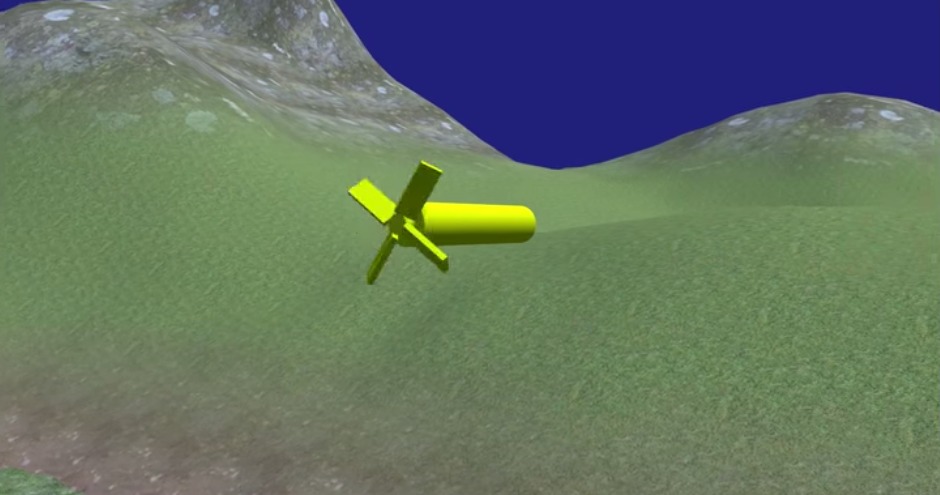 As another result of the exciting DARPA Robotics Challenge, Gazebo has improved its capabilities in the aeronautics and hydrodynamics fields. We expect these changes to benefit the way UAVs and UUVs are simulated and we hope to contribute more novel developments in this area. OSRF has developed two new Gazebo plugins:
- LiftDragPlugin: This plugin simulates the forces on an object immersed in a fluid and applies the forces to the object’s links directly. In particular, the phenomena of lift and drag are instrumental to underwater and aerodynamic vehicles. You can learn more about this plugin in its own tutorial.
- BuoyancyPlugin: This plugin simulates buoyancy by generating a force opposing gravity exerted on an object immersed in a fluid. Check out this tutorial to learn more about how to use this plugin.
We have also created other resources that might be useful for your simulations:
- Cessna C-172 model: Control surfaces fully adjustable via plugins.
- Submarine models: A set of basic propeller-based submarines with different buoyancy properties.
In the next Gazebo release, we will also make available two different world files containing simple environments for the Cessna and submarine models.
In the videos below you can see a teaser of some of the new Gazebo capabilities. We are excited about these contributions but we are also aware of the various missing features that would make such simulations even better. We are looking forward to integrating your contributions into Gazebo in any possible way: Improve the current plugins, integrate Gazebo with other existing tools, or create awesome environments. Don’t be shy and contribute to Gazebo!
https://youtu.be/iMHGnEhOIhs
tags: c-Research-Innovation, Gazebo, OSRF, Simulation

AUAI is supported by:









