
Robohub.org
Liquid Robotics acquired by Boeing Defense, Space & Security
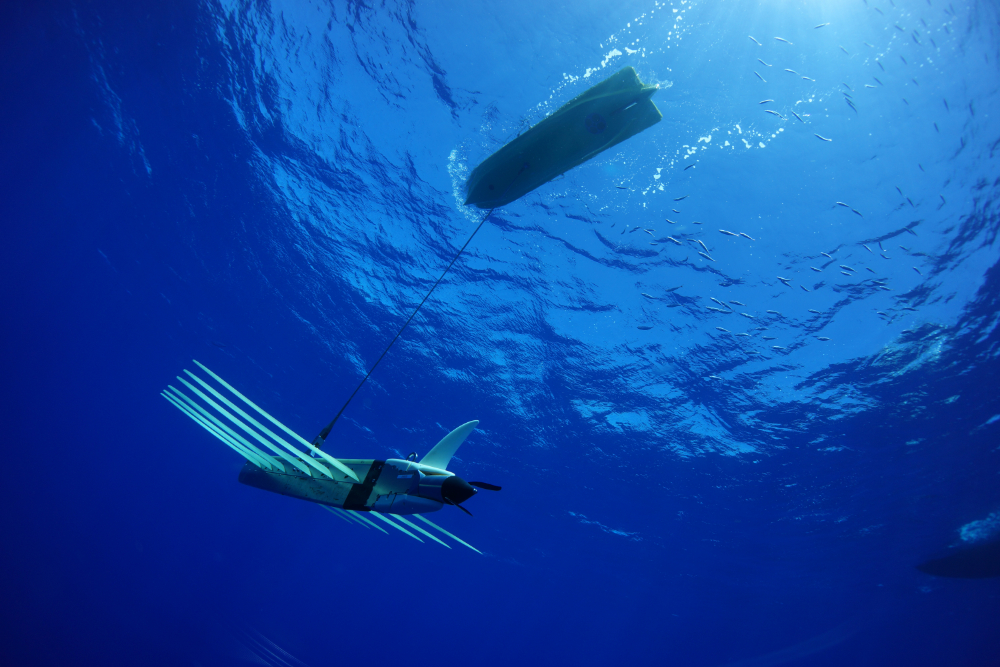
Source: Liquid Robotics
In a move consistent with many other recent acquisitions of stars within the robotics industry, Liquid Robotics announced that they sold their company to Boeing’s Autonomous Systems for Defense, Space & Security division.
Liquid Robotics‘ Wave Gliders have traveled over 1.2 million nautical miles for a variety of partners and clients and an even greater number of commercial, defense and scientific applications.
- Partnering with Boeing and the British Royal Navy, Liquid Robotics provided a version of their wave gliders hooked up with Boeing’s acoustic sensors for anti-submarine warfare missions and also to gather data that contributed to sensor prediction models and provide real-time data on weather and ocean conditions critical to safe operations for the Navy.
- In a three-year-old strategic joint venture with Schlumberger, Liquid Robotics has been providing environmental measurement services and speciality products to Schlumberger’s global offshore oil and gas presence.
- Working in conjunction with the Pew Charitable Trust “Project Eyes on the Seas,” Liquid Robotics Wave Gliders patrol the 840,000 square kilometers of remote marine habitat around the Pitcairn Islands. Experts in a Virtual Watch Room remotely direct the Wave Glider using both satellite surveillance and their knowledge of the habitat.
Financial terms weren’t provided for the deal, but it is the second acquisition of an unmanned undersea vehicle maker this year by a major defense firm. General Dynamics Mission Systems acquired robot maker Bluefin Robotics during February, also for an undisclosed amount. In recent years many stars in the robotics industry have been acquired by bigger and less known companies in the industry: KUKA by Midea, Universal Robots by Teradyne, Kiva Systems by Amazon and Hansen Robotics by Auris Surgical to name just a few.
Liquid Robotics, which started in 2007 as the commercialization of the tools used to track the songs made by whales, has grown to employ around 100 people in the Bay Area of California and in Hawaii. They raised over $81 million in six rounds of venture fundings to become the nimble, well rounded, low-cost, self-sustaining ocean observation provider they now are. They will become a subsidiary of Boeing’s Autonomous Systems for Defense, Space & Security division.
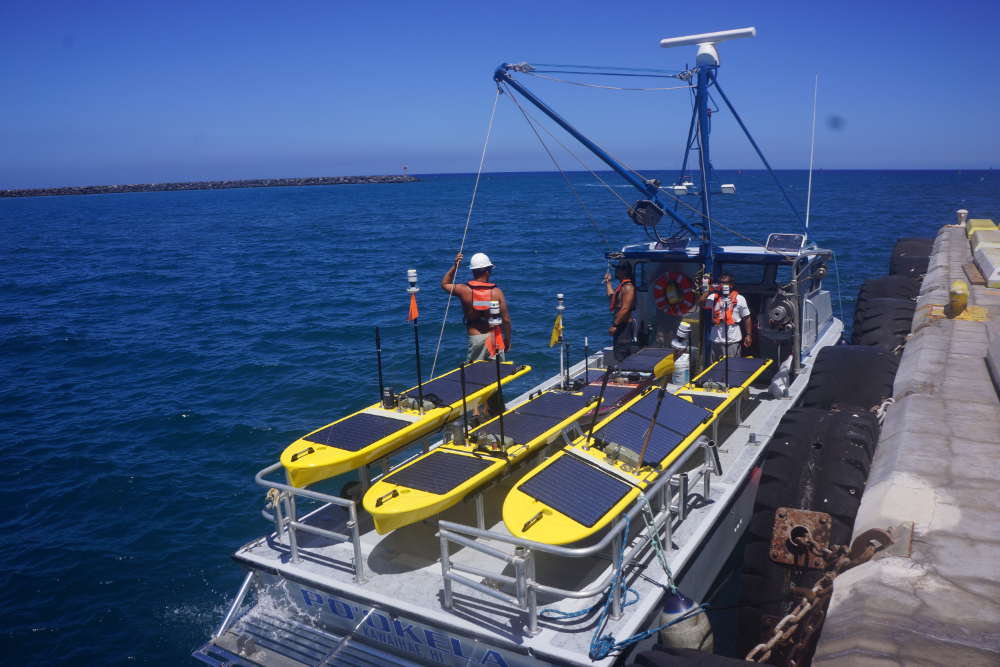
Source: Liquid Robotics
“With Liquid Robotics’ innovative technology and Boeing’s leading intelligence, surveillance, and reconnaissance solutions, we are helping our customers address maritime challenges in ways that make existing platforms smarter, missions safer and operations more efficient,” said Leanne Caret, president and CEO of Boeing Defense, Space & Security.”
tags: business, Frank Tobe, liquid robotics, The Robot Report

AUAI is supported by:









