Robohub.org
Root: A robot for all ages to learn coding
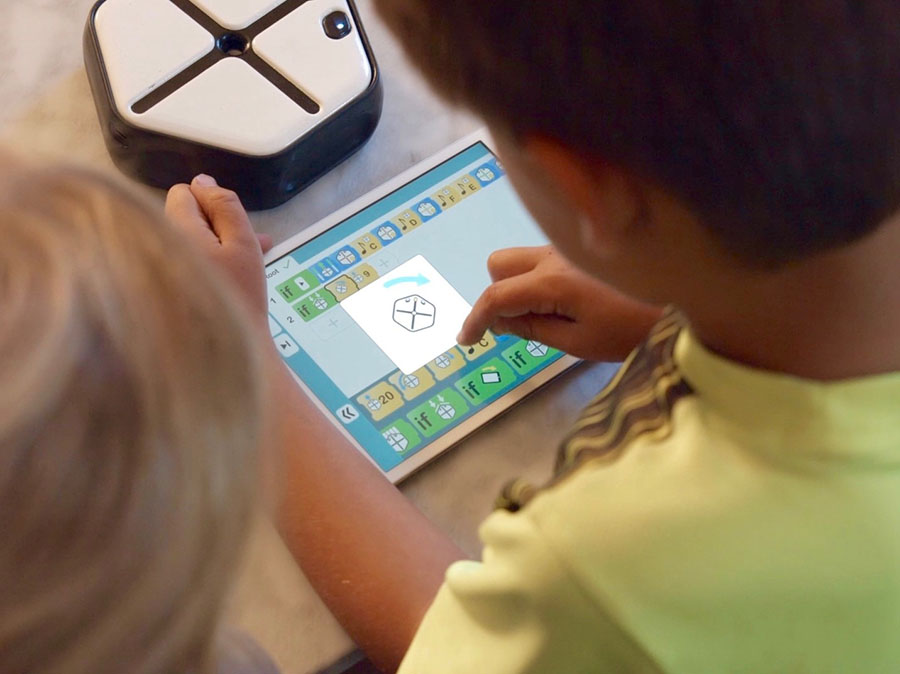
Support a Kickstarter campaign to crowdfund Root: the coding robot for all ages!
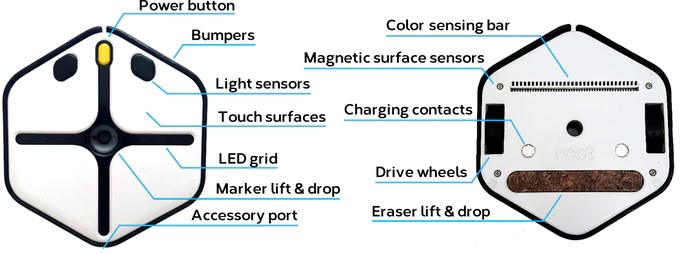
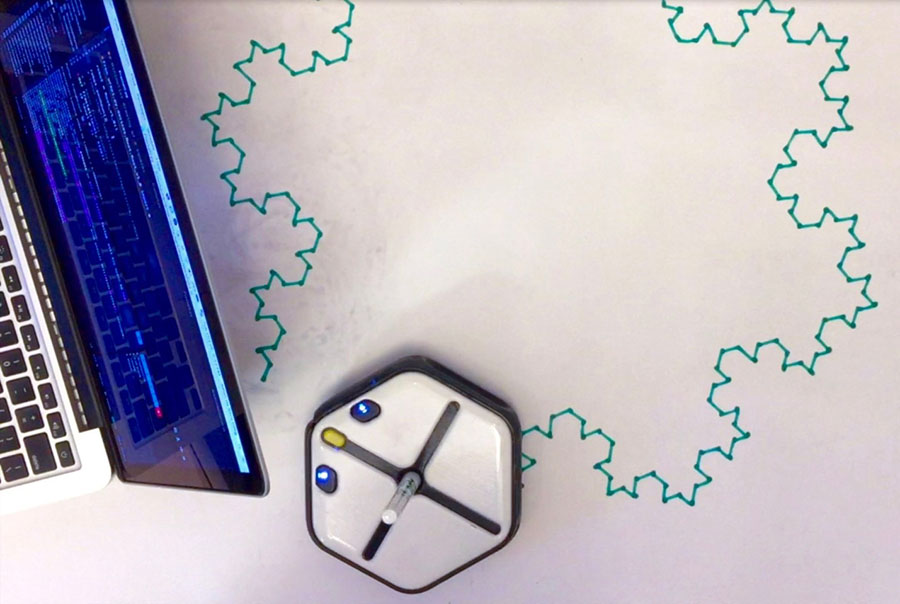
Root is a robot, originally developed at Harvard University, that helps anyone from four to 99 learn how to code. Root has over 50 sensors and actuators with it can draw, erase, play music, explore its world, and even defy gravity by using magnetism to drive on wall-mounted whiteboards. Root simply connects wirelessly (using Bluetooth Low Energy) to your tablet, phone, or laptop, to create a real-time link for programming and controlling Root.
The main goal when developing Root was to make computer science accessible to as many people as possible. This meant that getting started had to be easy and non-intimidating for newcomers to coding. To do this, we made Root ready to go out of the box, with sensors to support a wide variety of activities. We also developed a multi-level coding app that starts with a graphical programming interface that even non-readers can use to code.
Some unique features of the app are that it has been optimized for touch-screens (that kids are experts at using from a young age), it does not require reading or advanced counting skills, and kids (or adults) can modify the program while it is running.
Coding with Root is a dynamic and creative experience: Root reacts to things in the environment, kids react to Root and the interplay is orchestrated with code. Once you have mastered the basics in the first interface, the app smoothly transitions through a second block-based interface that enables more complexity and finally to full text-based coding in Python, JavaScript, and Swift. From there, you can continue programming through Root’s SDK.
We have been developing Root and the software interface for over three years and now our startup, Scansorial, has launched a Kickstarter to get Root into homes and schools around the world. You can support the campaign and get your own Root at a discounted price.
If you enjoyed this article, you may also want to read:
- Root: A robot to empower the next generation of coders
- Adjust how you learn and quickly pick up robotics programming
- Make your own Dtto Modular Robot – Assembly instructions (Part 1 of 3)
- Marty: the little walking robot that’s more than a toy
See all the latest robotics news on Robohub, or sign up for our weekly newsletter.
tags: coding, crowdfunding, Python, Robohub Crowdfunding Partner

AUAI is supported by: