
Robohub.org
Second edition of Springer Handbook of Robotics
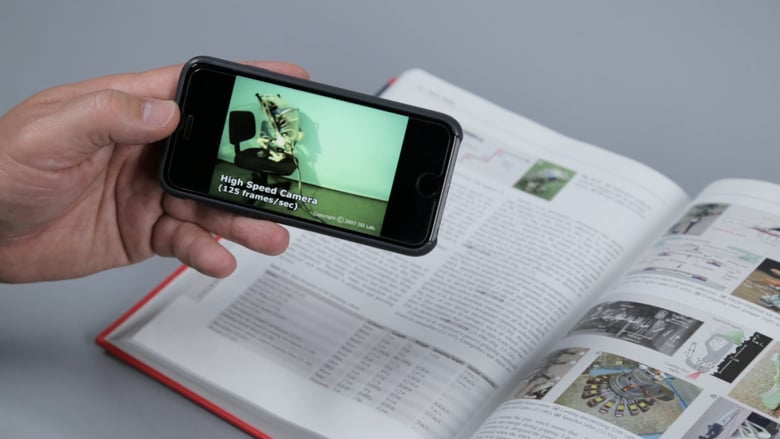
The Second Edition of the award-winning Springer Handbook of Robotics edited by Bruno Siciliano and Oussama Khatib has recently been published. The contents of the first edition have been restructured to achieve four main objectives: the enlargement of foundational topics for robotics, the enlightenment of design of various types of robotic systems, the extension of the treatment on robots moving in the environment, and the enrichment of advanced robotics applications. Most previous chapters have been revised, fifteen new chapters have been introduced on emerging topics, and a new generation of authors have joined the handbook’s team. Like for the first edition, a truly interdisciplinary approach has been pursued in line with the expansion of robotics across the boundaries with related disciplines. Again, the authors have been asked to step outside of their comfort zone, as the Editorial Board have teamed up authors who never worked together before.
No doubt one of the most innovative elements is the inclusion of multimedia content to leverage the valuable written content inside the book. Under the editorial leadership of Torsten Kröger, a web portal has been created to host the Multimedia Extension of the book, which serves as a quick one-stop shop for more than 700 videos associated with the specific chapters. In addition, video tutorials have been created for each of the seven parts of the book, which benefit everyone from PhD students to seasoned robotics experts who have been in the field for years. A special video related to the contents of the first chapter shows the journey of robotics with the latest and coolest developments in the last 15 years. As publishing explores new interactive technologies, an App has been made available in the Google/IOS stores to introduce an additional multimedia layer to the reader’s experience. With the app, readers can use the camera on their smartphone or tablet, hold it to a page containing one or more special icons, and produce an augmented reality on the screen, watching videos as they read along the book.
For more information on the book, please visit the Springer Handbook website.
The Multimedia Portal offers free access to more than 700 accompanying videos. In addition, a Multimedia App is now downloadable: AppStore and GooglePlay for smartphones and tablets, allowing you to easily access multimedia content while reading the book.
tags: Bruno Siciliano

AUAI is supported by:









