
Robohub.org
Tiny 4K Z camera could be the perfect drone partner
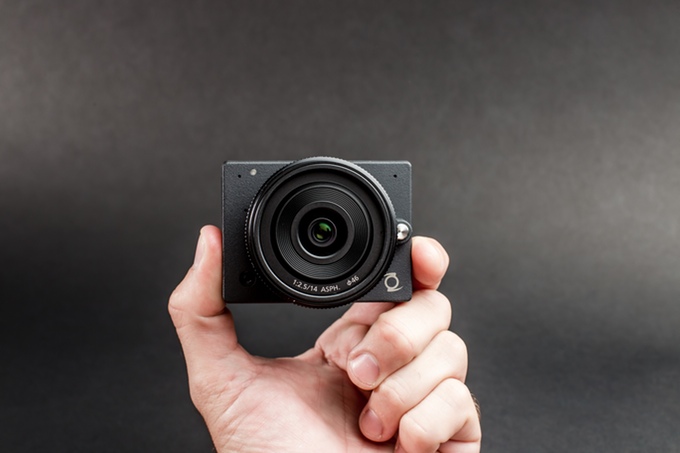
When we say drone, we ofter think of the flying platform. But that’s just half the story. Drones are amazing flying tools because of their ability to position sensing payloads in the sky. Most operators’ fleets will depend on the camera equipment they prefer to use and the application they are using the tool for.
One of the main problems with putting cameras into the sky via a flying platform is weight. The heavier the camera, the bigger the rig you need to put it into the sky. This is why GoPro have successfully surfed the growth of the drone industry with their small, relatively cheap and lightweight package. But digital imaging experts have announced their new Z Camera. E1 is the smallest 4K camera with an interchangeable lens system. Because it packs so much into a small package with an interchangeable lens system, it could fast become the perfect drone partner. It already has the drone community in awe.
They have already surpassed a kickstarter campaign so if you’re interested, you can secure an early bird price as soon as it’s ready to ship later this year.
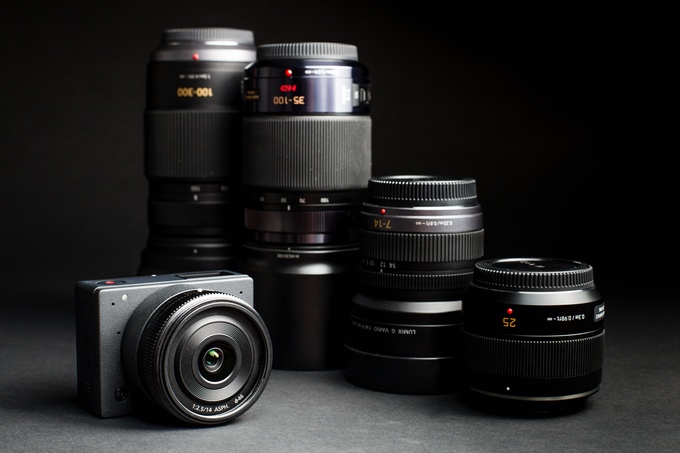
Some of the technical specifications from the campaign page:
The E1 is Wi-Fi 802.11N, Bluetooth Low Energy (BLE), and Ambarella A9 image processor equipped. Easily capture cinema-quality 4K 4096×2160 video at 24 frames per second or ultra-high definition video 3840×2160 at 30 frames per second with H.264 compression. Advanced 3D noise filters using motion compensated temporal filtering (MCTF ) technology reduces noise and jitter. This allows for incredible low-light performance with the camera’s ability to shoot at up to 102,400 ISO while maintaining high image quality, up to 6400 ISO.
Additionally, the 3D noise filter actively removes ghosting and blurring. E1’s die cast magnesium housing is specifically designed to dissipate heat and properly support the high demands of the A9 image processor, making all of this technology possible.
The E1’s micro four-thirds lens mount can handle a wide range of AF (auto-focus) lenses available from brands such as Olympus, Panasonic Lumix, Leica and Sigma. It also supports a variety of existing MF (manual-focus) lenses. In lieu of bulky DSLRs, E1 allows users to travel with an arsenal of lenses to capture the highest-quality footage possible.
E1’s advanced focusing technology allows for continuous autofocus in both photos and video. By using different sensitivity settings, it ensures that users will not lose track of a subject while filming. And for users who are traditionalists and prefer to pull manual focus, the E1 offers an intuitive platform, featuring an automatic, on-screen zoom preview for crystal-clear focus.
Connect & Control
Our proprietary applications for iOS and Android, are already available in the Apple App Store and Google Play. These apps provide users the ability to control, live stream and manage content via their Wi-Fi or Bluetooth 4.0-enabled devices.
Users can leave the camera in standby mode and remotely power the E1, whether it’s powered on or off, a feature not available with most other camera models. Once powered on, users can control and trigger the camera without physical contact. Furthermore, monitor and control your camera indefinitely by providing a direct AC power source.
The ultra-low 200-300 millisecond latency allows for easy streaming and seamless content downloads to any Android or iOS device, which makes an exceptional experience for capturing documentaries or shooting live events. A videographer can mount the E1 from the ceiling prior to the event using a standard tripod mount accessory. Aftermarket accessories area easily added in a snap to the E1’s standard 1/4”-20 tripod mount.
Take Flight
Create beautiful drone aerial photography and cinematography. Pilots can remotely configure the camera without having to land it. This feature provides ease for travel. Users can power it on remotely and download content to a connected iOS or Android device, all the while it is inside of a backpack or pocket.
Develop Your Way
Advanced users can customize the functionality of the E1 to amp up its potential than previously imagined through the open platform, I/O port and available software development kit (SDK), available in two levels.
tags: aerial photography, crowdfunding, UAVs & drones

AUAI is supported by:









