Robohub.org
Volvo says it will accept “full liability” when its cars are operating autonomously
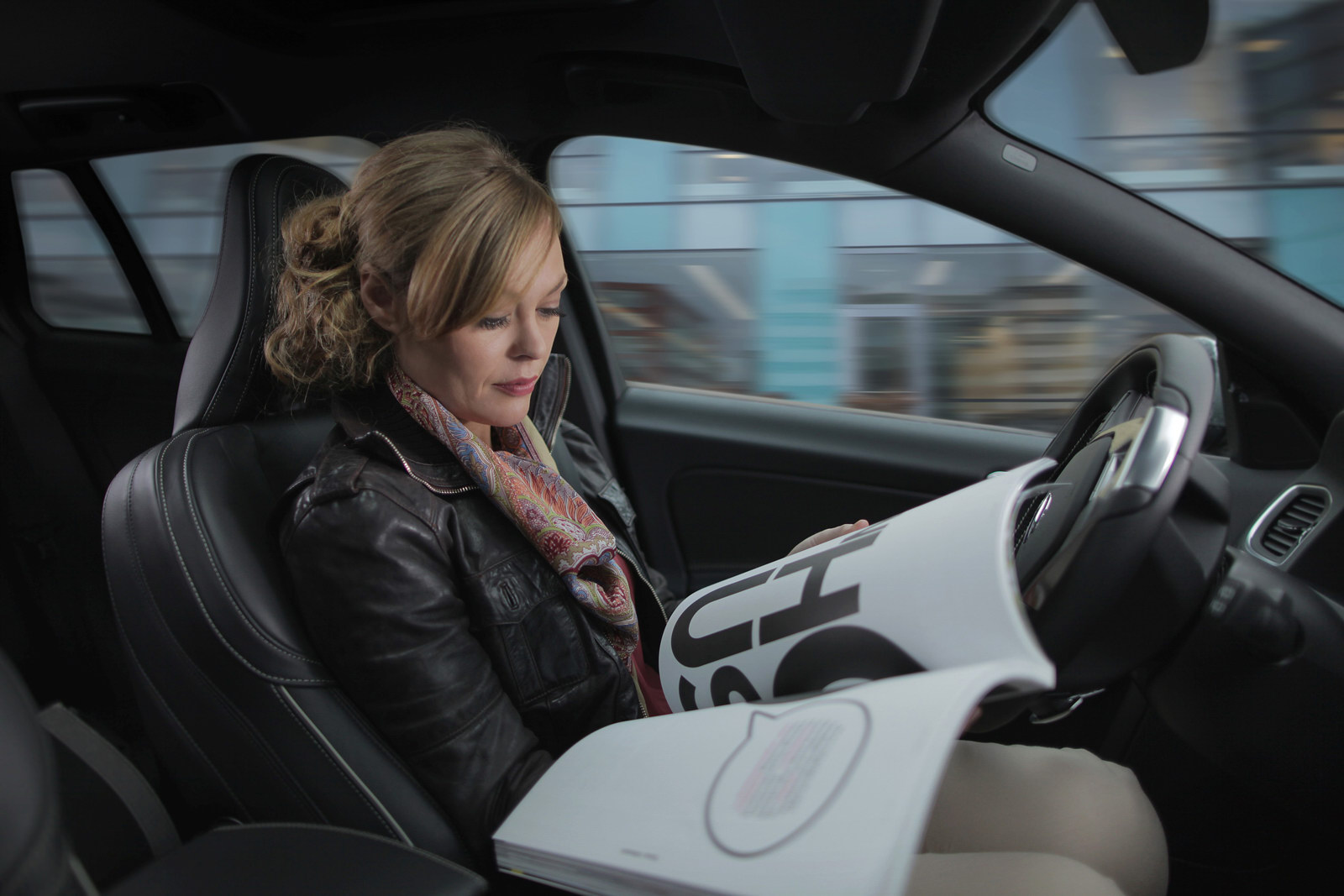
In a statement released yesterday, Volvo said it would accept full liability whenever one of its cars is in autonomous mode.
Among the most common questions the mainstream press asks about robocars is “Who is going to be liable in a crash?” but an answer is seldom provided. I have often joked that we should change question to “Who gets sued?” because the answer to that question (at least in the US) is easy: “Everybody will get sued.”
But in spite of this hard and central question, the long term answer has always been obvious. If the software/hardware in a car is responsible for the crash (ie. caused the vehicle to do something like depart its right-of-way), then it’s obvious that the vendor of that car will be liable, or perhaps some proxy for the vendor, such as a taxi fleet operator.
Volvo has now declared this to be the case for them and Google has said it as well. Good for them.
The main reason this has sat as an open question for so long is that any lawyer will tell you never to admit in advance that you should be liable for something. From a lawyer’s standpoint, that can never do anything but come back to haunt you later. There’s no upside, and a big downside, so they tell clients not to do it.
It is not just a legal decision. After all, customers are not going to want to buy or even ride in cars if the rule is, “If this car crashes because of our bug, then you (or your insurance) will be liable, and demerit points or even criminal charges might go to you.”
Early adopters might accept that, but it’s not a workable long-term policy. If the question of points and rare criminal charges could be eliminated, we could see a workable system where the passenger is liable and has insurance to fully cover it, but deep down that’s a silly system; again something only for the early days.
Even if you could get such a system in place with passenger-insurance, the reality is the vendor would still get sued. Even a great policy and indemnification from the passenger would not prevent plaintiff’s lawyers from wanting to go after the deep pocketed vendor. They would look for the hope of negligence (or in their dreams, VW style fraud) to get juicy damages. Even if not directly liable, the vendor would pay more in legal costs for some cases than the cost of the accident.
As I have written before, in today’s world, car accident costs are not paid by individuals or even companies. If I’m liable, my insurance company pays, and every policyholder shares the cost in their premiums. If my car has a defect, the car company pays, but builds in a share of that cost (or insurance against it) into the price of every car — once again the public shares the cost.
This will not change in the world of robocars, and fighting over liability is really just fighting over who the money will flow through, and who will get the burdens and benefits of control of the legal strategy.
This saner approach makes the vendor responsible — at least while the car is driving itself — and the vendor self-insuring and getting reinsurance (or product liability insurance) to cover the cost.
The cost we currently know and can handle very well: rooms of actuaries at every auto insurance company study it all day. What we don’t know yet is the cost of the early, special lawsuits that will be unlike typical car crash cases.
If the world is rational, the total number of accidents and their severity will go down, and so will the cost of dealing with them. The world may not be rational, but ideally this new lower cost is built into the cost of the ride or the car, and we all pay less.
For cars that people drive some of the time, traditional insurance will do the job; but it should be billed by the mile — what is called “pay-as-you-drive” or PAYD. I have a more detailed earlier article on the issues around accidents for those seeking more depth.
With the recent Volvo announcement, perhaps we can demote the liability issue from the most-frequent-questions list … though the one I really want removed from it is “What happens when a car has to choose between killing two people?”
This post originally appeared on Robocars.com.
tags: Automotive, Autonomous Cars, cx-Politics-Law-Society, robohub focus on autonomous driving