
Robohub.org
What if the city ran Waze and you had to obey it? Could this cure congestion?
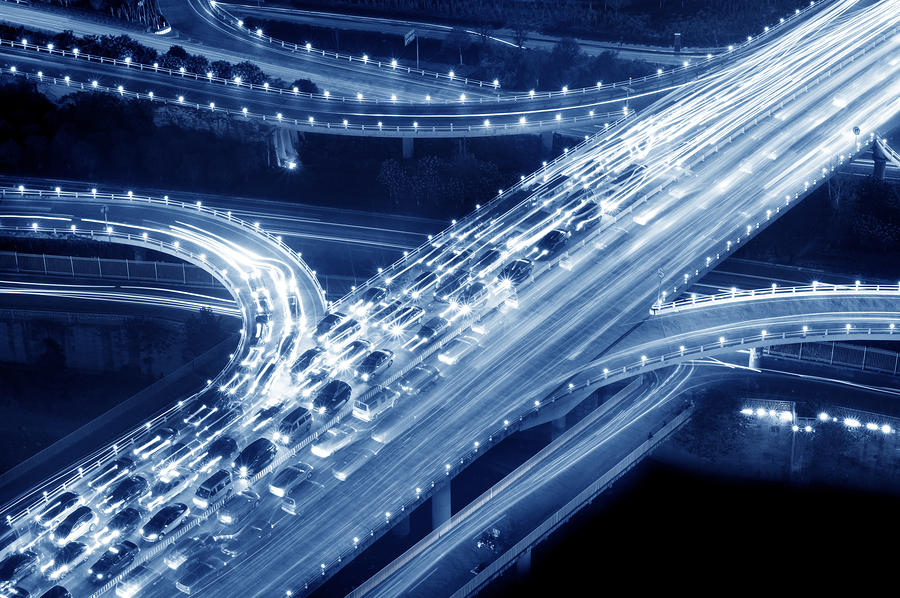
I believe we have the potential to eliminate a major fraction of traffic congestion in the near future, using technology that exists today which will be cheap in the future. The method has been outlined by myself and others in the past, but here I offer an alternate way to
explain it which may help crystallize it in people’s minds.
Today many people drive almost all the time guided by their smartphone, using navigation
apps like Google Maps, Apple Maps or Waze (now owned by Google.) Many have come to drive as though they were a robot under the command of the app, trusting and obeying it
at every turn. Tools like these apps are even causing controversy, because in the hunt
for the quickest trip, they are often finding creative routes that bypass congested
major roads for local streets that used to be lightly used.
Put simply, the answer to traffic congestion might be, “What if you, by law, had to
obey your navigation app at rush hour?” To be more specific, what if the cities and towns that own the streets handed out reservations for routes on those streets to you via those apps, and your navigation app directed you down them? And what if the cities made sure there were never more cars put on a piece of road than it had capacity to handle?
The value is huge. Estimates suggest congestion costs around $160B per year and 42 hours of time for every driver, or around another $160B.
Road metering works
This approach would exploit one principle in road management that’s been most effective
in reducing congestion, namely road metering. The majority of traffic congestion is caused,
no surprise, by excess traffic — more cars trying to use a stretch of road than it has the capacity to handle. There are other things that cause congestion — accidents, gridlock and irrational driver behaviour, but even these only cause traffic jams when the road is near or over capacity.
Today, in many cities, highway metering is keeping the highways flowing far better than they used to. When highways stall, the metering lights stop cars from entering the freeway as fast as they want. You get frustrated waiting at the metering light but the reward is you
eventually get on a freeway that’s not as badly overloaded.
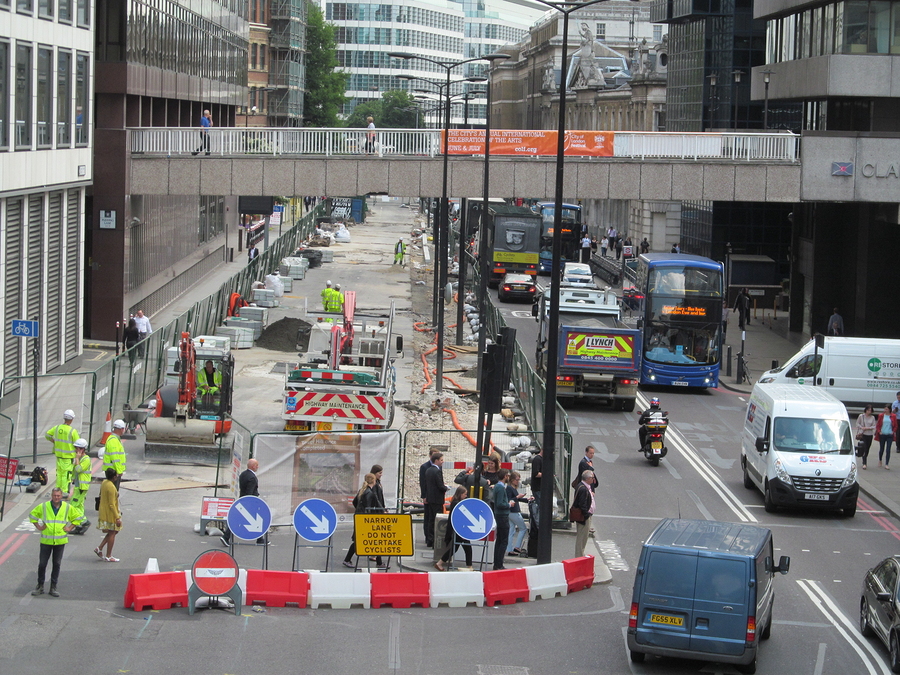
Another type of metering is called congestion pricing. Pioneered in Singapore, these
systems place a toll on driving in the most congested areas, typically the downtown cores
at rush hour. They are also used in London, Milan, Stockholm and some smaller towns, but have never caught on in many other areas for political reasons. Congestion charging can easily be viewed as allocating the roads to the rich when they were paid for by everybody’s taxes.
A third successful metering system is the High-occupancy toll lane. HOT lanes take
carpool lanes that are being underutilized, and let drivers pay a market-based price to use them solo. The price is set to bring in just enough solo drivers to avoid wasting the spare
capacity of the lane without overloading it. Taking those solo drivers out of the other
lanes improves their flow as well. While not every city will admit it, carpool lanes themselves have not been a success. 90% of the carpools in them are families or others who would have carpooled anyway. The 10% “induced” carpools are great, but if the carpool lane only runs at 50% capacity, it ends up causing more congestion than it saves.
HOT is a metering system that fixes that problem…
Click here to cotinue reading on robocars.com!
If you liked this article, you may also want to read these articles:
- Comma.ai cancels comma-one add-on box after threats from NHTSA
- Robocar news: Comma One goes open source, creating simulations for robocars in New Zealand earthquakes
- The delicate balance between brilliance, safety and arrogance
- Oxbotica’s autonomous vehicle software learns its environment and how it changes over time
- Robocar parking is incredibly cheap
See all the latest robotics news on Robohub, or sign up for our weekly newsletter
tags: Automotive, GPS, opinion

AUAI is supported by:









