Robohub.org
50 women in robotics you need to know about 2022
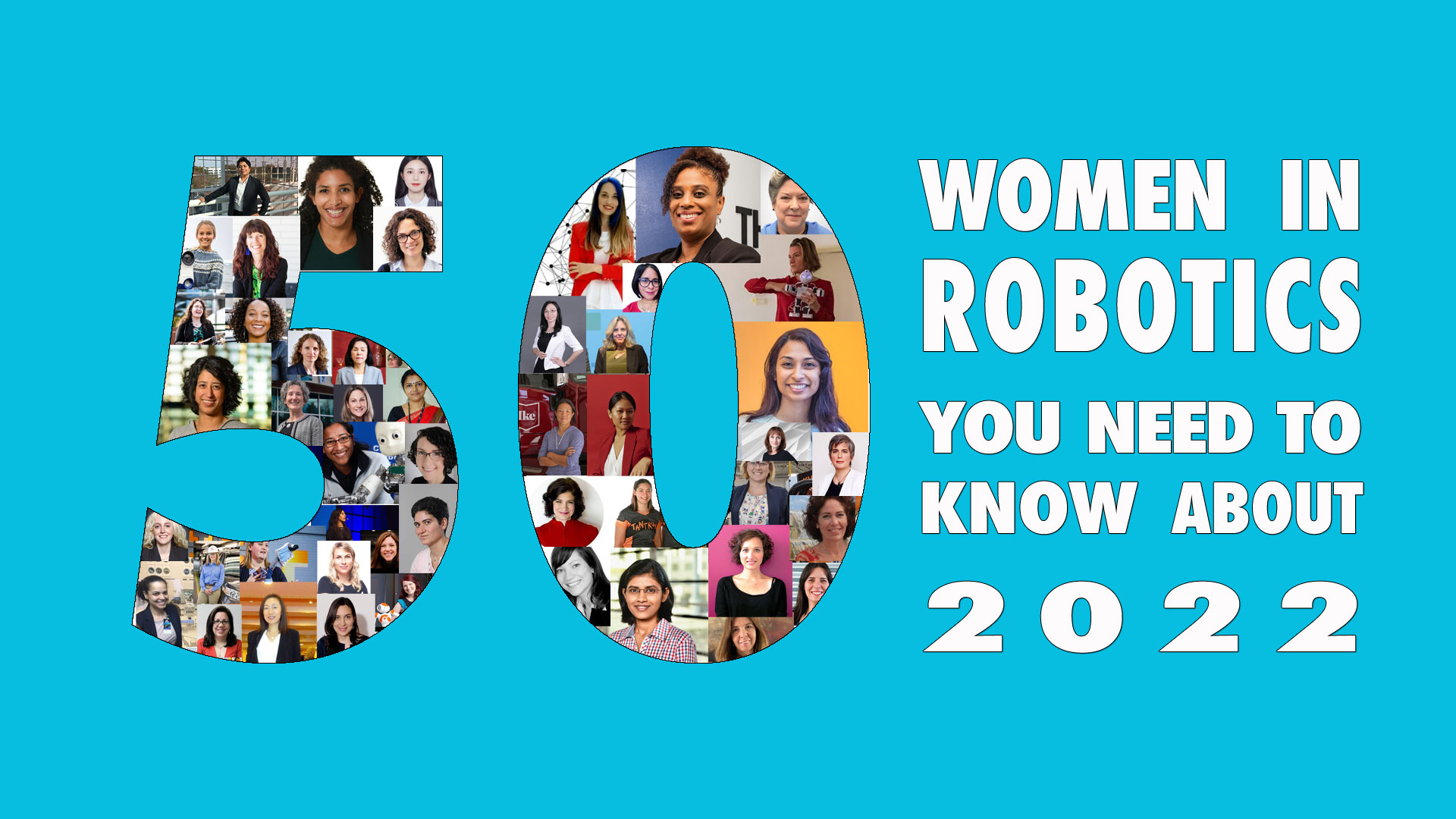 Our Women in Robotics list turns 10 this year and we are delighted to introduce you to another amazing “50 women in robotics you need to know about” as we also celebrate Ada Lovelace Day. We have now profiled more than 300 women AND non-binary people making important contributions to robotics since the list began in 2013. This year our 50 come from robotics companies (small and large), self-driving car companies, governments, research organizations and the media. The list covers the globe, with the chosen ones having nationalities from the EU, UK, USA, Australia, China, Turkey, India and Kenya. A number of women come from influential companies that are household names such as NASA, ABB, GE, Toyota and the Wall Street Journal. As the number of women on the list grows so does the combined global impact of their efforts, increasing the visibility of women in the field who may otherwise go unrecognized. We publish this list to overcome the unconscious perception that women aren’t making significant contributions. We encourage you to use our lists to help find women for keynotes, panels, interviews and to cite their work and include them in curricula.
The role models these 50 women represent are diverse, ranging from emeritus to early career stage. Role models are important. Countess Ada Lovelace, the world’s first computer programmer and an extraordinary mathematician, faced an uphill battle in the days when women were not encouraged to pursue a career in science. Fast forward 200 years and there are still not enough women in science, technology, engineering or math (STEM). One key reason is clear: the lack of visible female role models and so we continue to run our women in robotics photo challenge, to showcase real women building real robots. Women in STEM need to be equally represented at conferences, keynotes, magazine covers, or stories about technology. Although this is starting to change, the change is not happening quickly enough. You can help. Spread the word and use this resource to inspire others to consider a career in robotics. As you will see there are many different ways the women we profile are making a difference.
We hope you are inspired by these profiles, and if you want to work in robotics too, please join us at Women in Robotics. We are now a 501(c)(3) non-profit organization, but even so, this post wouldn’t be possible if not for the hard work of volunteers and the Women in Robotics Board of Directors.
Want to keep reading? There are more than 300 other stories on our 2013 to 2021 lists (and their updates):
- 50 women in robotics you need to know about (2021)
- 30 women in robotics you need to know about (2020)
- 30 women in robotics you need to know about (2019)
- 25 women in robotics you need to know about (2018)
- 25 women in robotics you need to know about (2017)
- 25 women in robotics you need to know about (2016)
- 25 women in robotics you need to know about (2015)
- 25 women in robotics you need to know about (2014)
- 25 women in robotics you need to know about (2013)
Please share this and cite Women in Robotics as the author. Why not nominate a woman or non-binary person working in robotics for inclusion next year! Tweet this.
tags: women in robotics



AUAI is supported by: