
Robohub.org
Catalia Health and Pfizer collaborate on robots for healthcare
New robot platform improves patient experience using AI to help patients navigate barriers and health care challenges
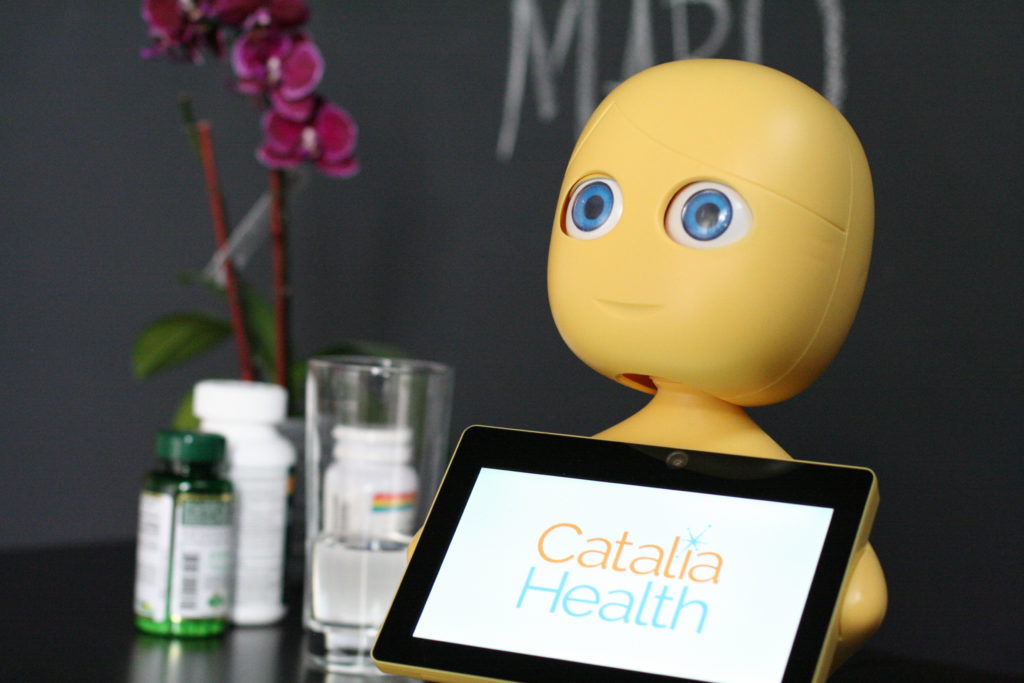
SAN FRANCISCO, Sept. 12, 2019 /PRNewswire/ — Catalia Health and Pfizer today announced they have launched a pilot program to explore patient behaviors outside of clinical environments and to test the impact regular engagement with artificial intelligence (AI) has on patients’ treatment journeys. The 12-month pilot uses the Mabu® Wellness Coach, a robot that uses artificial intelligence to gather insights into symptom management and medication adherence trends in select patients.
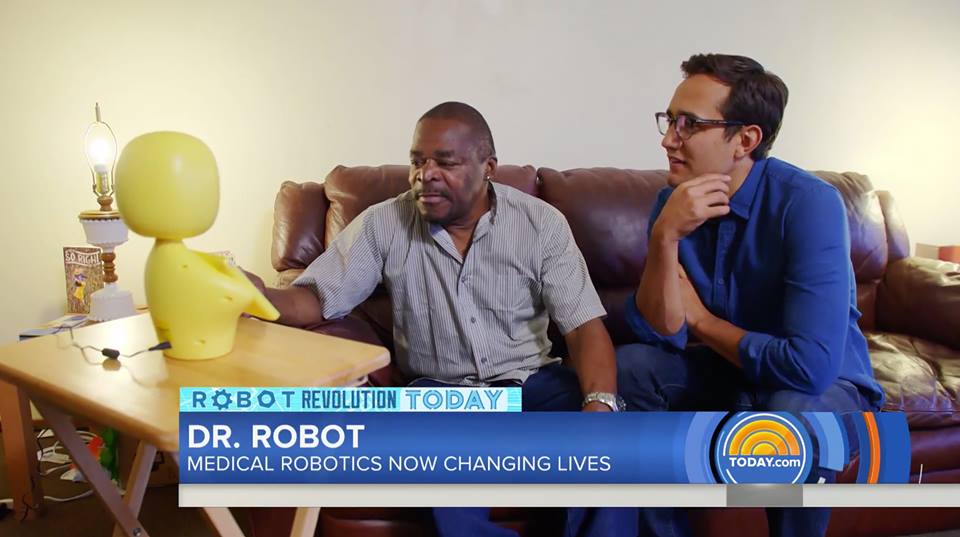
The Mabu robot can interact with patients using AI algorithms to engage in tailored, voice-based conversations. Mabu “talks” with patients about how they are feeling and helps answer questions they may have about their treatment. The Mabu Care Insights Platform then delivers detailed data and insights to clinicians at a specialty pharmacy provider to help human caregivers initiate timely and appropriate outreach to the patient. The goal is to help better manage symptoms and address patient questions in real-time.
“At Catalia Health we’ve seen firsthand the benefits that AI has brought to healthcare for both the patient and the healthcare systems,” said Cory Kidd, founder and CEO of Catalia Health. “Our work with Pfizer allows us to engage with patients on a larger scale and therefore gain access to more insights and data that we hope can improve health outcomes.”
Mabu is helping to deliver personalized care by gaining insights that allow the specialty pharmacy to reach out to patients as they express challenges in managing their conditions. Mabu also generates health tips and reminders to help patients get additional information about their condition and treatment that may help them along the way. Over time, it is our goal that Mabu can help patients navigate barriers and health care challenges that are often a part of managing a chronic disease.
“The healthcare system is overburdened, and as a result, patients often seek more-coordinated care and information. Through this collaboration with Catalia Health, we hope to learn through real-time data and insights about challenges patients face, outside the clinical setting, with the goal to improve their treatment journeys in the future,” said Lidia Fonseca, Chief Digital and Technology Officer at Pfizer. “This pilot is an example of how we are working to develop digital companions for all our medicines to better support patients in their treatment journeys.”
The pilot program was officially announced on stage at the National Association of Specialty Pharmacy’s Annual Meeting & Expo on September 10, 2019. Initial pilot data will be available in the coming months. For more information, visit www.cataliahealth.com
About Catalia Health
Catalia Health is a San Francisco-based patient care management company founded by Cory Kidd, Ph.D., in 2014. Catalia Health provides an effective and scalable solution for individuals managing chronic disease or taking medications on an ongoing basis. The company’s AI-powered robot, Mabu, enables healthcare providers and pharmaceutical companies to better support patients living with chronic illness. Mabu uses a voice-based interface designed for simple, intuitive use by a wide variety of patients in remote care environments. The cloud-based platform delivers unique conversations to patients each time they have a conversation with Mabu.
Catalia Health’s care management programs are tailored to increase clinically appropriate medication adherence, improve symptom management and reduce the likelihood that a patient is readmitted to the hospital after being discharged.
For more information, visit www.cataliahealth.com

AUAI is supported by:









