
Robohub.org
Uber talks of deal with Daimler which shows Uber’s great advantage
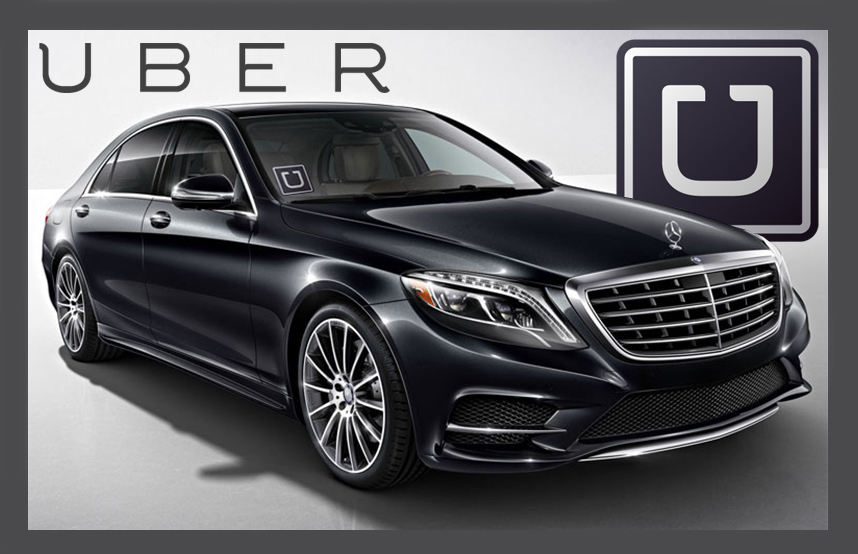 I generally pay very little attention when companies issue a press release about an “alliance.” It’s usually not a lot more than a press release, unless there are details on what will actually be built. The recent announcement that Uber plans to buy some self-driving cars from Daimler/Mercedes is mostly just such an announcement—a future intent, when Mercedes actually builds a full self-driving car, that Uber will buy some. This, in spite of the fact that Uber has its own active self-driving system in development, and that it paid stock worth $760 million to purchase freshly-minted startup Otto to accelerate that.
This shows a special advantage that Uber has over other players here. Their own project is very active, but unlike others, it doesn’t cripple Uber if it fails. Uber’s business is selling rides, and it will continue to be. If Uber can’t do it with its own cars, it can buy somebody else’s. Uber does not have the intention to make cars (neither does Google and that’s probably true of most other non-car companies.) There are many companies who will make cars to order for you. But if Google’s self-drive software (and hardware) project fails, they are left with very little. If Uber’s fails, they are still very much in business, but not as much in control of the underlying vehicles. As long as there are multiple suppliers for Uber to choose from, they are good.
One nightmare for the car companies is the reduction in value of their brands. If you summon “UberSelect” (the luxury Uber) you don’t care if it is a Lexus or Mercedes that shows up. As long as it’s a decent luxury car, you are good, because you are not buying the car, you are using it for 20 minutes. Uber is the brand you are trusting — and car companies fear that. I presume one thing that Daimler wants from this announcement is to remind people that they are a leader and may well be the supplier of cars to companies like Uber. But will they be in charge of the relationship? I doubt it.
Lyft should have the same advantage — but it took a $500M investment from GM which strongly pressures it to use whatever solution GM creates. Of course, if GM’s project fails, Lyft still has the freedom to use another, including Mercedes.
Other News
A lawsuit from Tesla against former Tesla autopilot team leader Sterling Anderson and former head of Google Chauffeur (now Waymo) Chris Urmson reveals little, other than the two have a company which will get a lot of attention in the space. But that’s enough. Google’s project is the most advanced one in the world. I was there and worked for Chris in its early days. Tesla’s is not necessarily the most advanced technologically — it has no LIDAR development — but it’s way ahead of others in terms of getting out there and deploying to gain experience, which has given it a headstart, especially in camera/radar-based systems. The leaders of the two projects together will cause a stir in the auto business.
tags: Automotive, cx-Business-Finance, Mercedes, opinion, Robot Car, Uber

AUAI is supported by:









