
Robohub.org
Dutch start-up launches next generation mapping drone
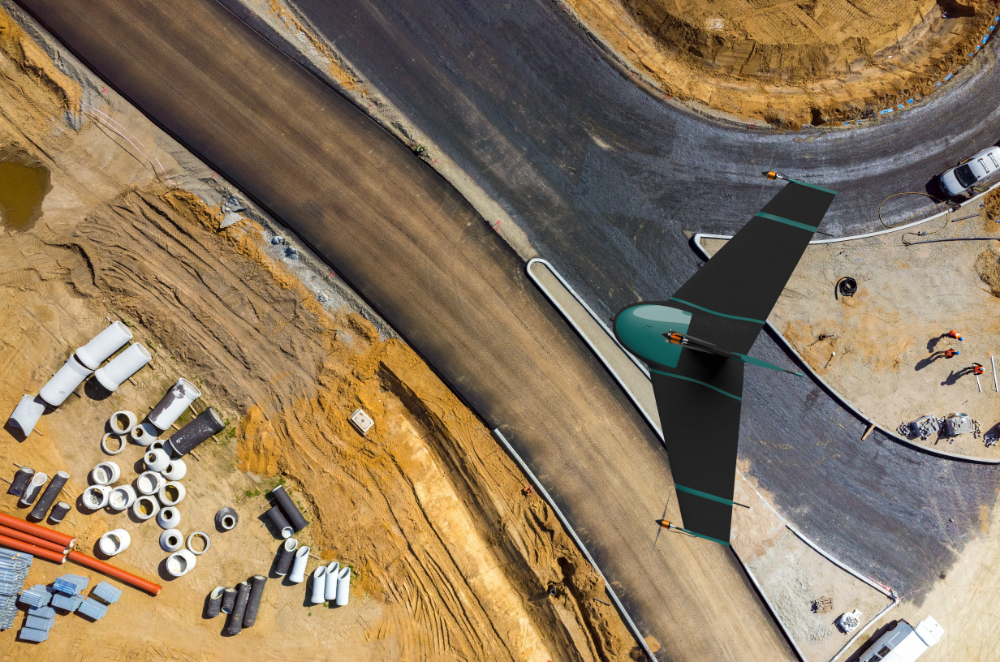
Drone company Atmos UAV has launched Marlyn, a lightweight drone which flies automatically, effortlessly and at high wind speeds. One of the first customers that signed up is Skeye, Europe’s leading unmanned aircraft data provider. This new technology allows industry professionals around the world to map the surface 10 times faster and guarantees no more drone crashes.
“With her unique properties, Marlyn allows us to tackle even our most challenging jobs,” says Pieter Franken, co-founder of Skeye, one of Europe’s leading unmanned aircraft data providers. He continues: “We expect time savings of up to 50% and moreover save a huge amount of our resources and equipment.” Marlyn can cover 1 km² in half an hour with a ground sampling distance of 3 cm.
“We are very excited to work together with Skeye and to have the opportunity to implement their operational expertise in this promising project,” Sander Hulsman, CEO of Atmos UAV adds. “Marlyn is all about making aerial data collection safer and more efficient, allowing professional users across all industries to access the skies, enabling them to focus more on analysing the actual information and improving their business effectiveness.”
Mapping made easy
With Marlyn, mapping jobs consist of four easy steps. First, a flight plan is generated based on the required accuracy and the specified project area. Secondly, the drone starts its flight and data collection by a simple push of a button. Thirdly, after Marlyn has landed at the designated spot, the captured data is automatically organised and processed by image processing software of choice. Finally, a detailed analysis can be done to provide actionable insights.
About Atmos UAV
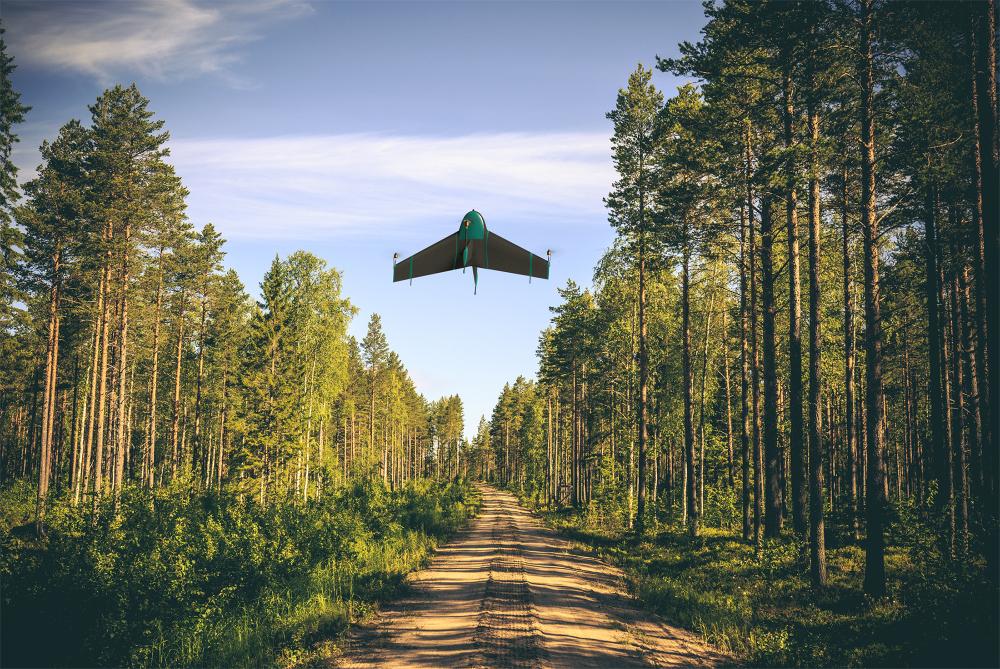
Atmos UAV is a high-tech start-up that designs and manufactures reliable aerial observation and data gathering solutions for professional users. It all originated from a project at Delft University of Technology. With the support of its faculty of Aerospace Engineering, it grew into the fast-growing spin-off company Atmos UAV. The company specializes in land surveying, mining, precision agriculture, forestry and other mapping related applications. Atmos UAV is currently hiring to accommodate its rapid expansion.
tags: c-Aerial, RoboValley
AUAI is supported by:









