Robohub.org
Art meets robotics in Patrick Tresset’s OPLINE Prize entry
 The OPLINE Prize is the first online contemporary art award, where the audience vote for the winner out of 10 nominated artists. The winning artist receives 4,000 Euros and exhibitions. The winner also gives away a work of art to a random voter. The OPLINE Prize process in itself reflects on innovative digital culture and the engagement of the broader community in art.
I was delighted to discover that Patrick Tresset, an artist I admire, was nominated for the award this year. His latest installations focus on the relations between humans and machines. Will robot culture emerge in the interactions? What are machine aesthetics? And where will people fit into an increasingly complex technological mix?
Tresset’s recent exhibition “5RNP Étude humaine #1” at the Montreal Biennale was a theatrical robotic installation in which humans become the actors. In a scenario similar to a live model drawing class, the visitor takes a seat, ready to be drawn by five robots. Placed in an ambivalent situation, the visitor is both at the mercy of the robots’ gaze and the object of artistic attention. Like a live model, the human loses its identity, becoming a passive object of study, while the robots take on the role of artistic creator Despite being immobile, the visitor is an integral part of the installation.
Here are the 10 artists selected for this year’s OPLINE Prize. Voting closes on October 30 so find your favorite and vote now. Or perhaps just enjoy these interesting viewpoints on the intersection of technology and culture.
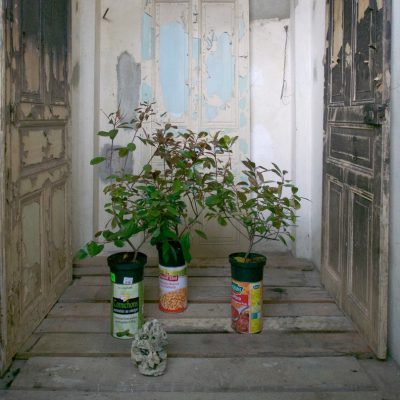
JUDITH BAUDINET
Chosen by Christian GATTINONI
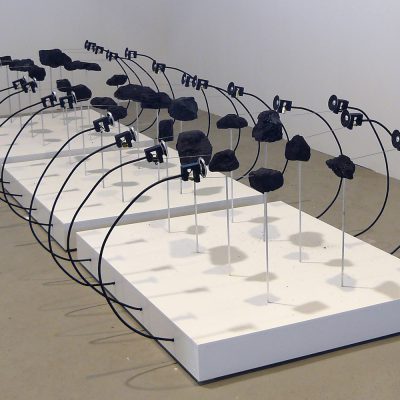
CLEA COUDSI & ERIC HERBIN
Chosen by Catherine IKAM
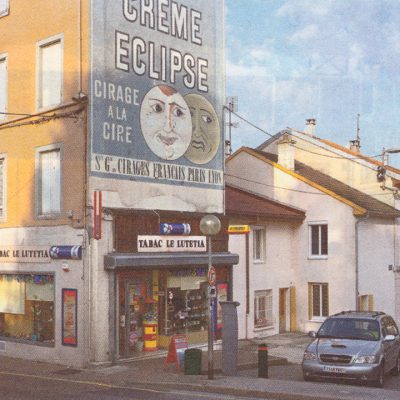
Chosen by Dominique MOULON
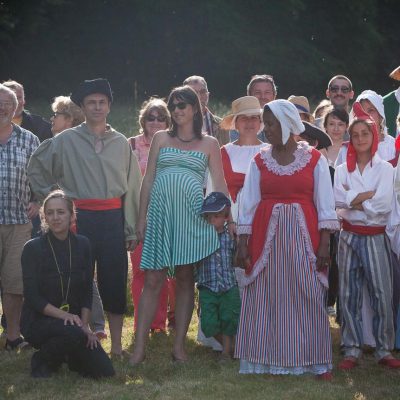
HERVE LOUISE AND CHLOE MAILLET
Chosen by Geneviève Fraisse
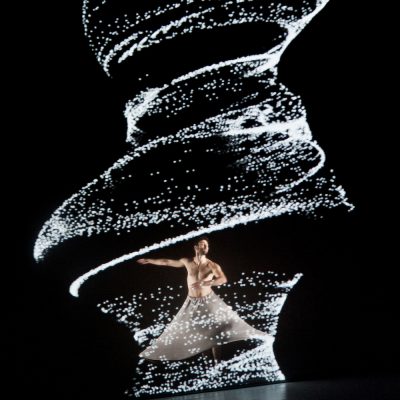
Chosen by Alexia Guggemos
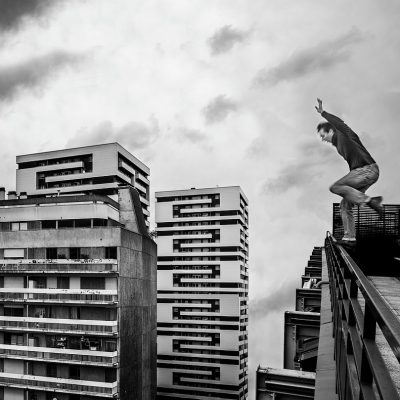
Chosen by Sandra HEGEDUS
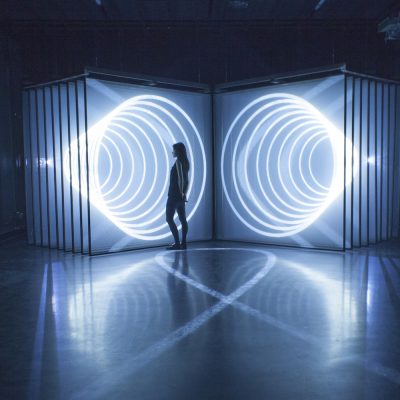
Chosen by Gilles ALVAREZ
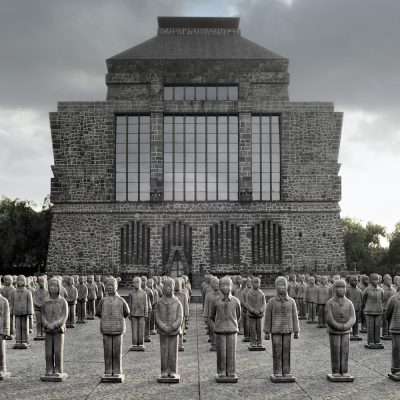
Chosen by ORLAN
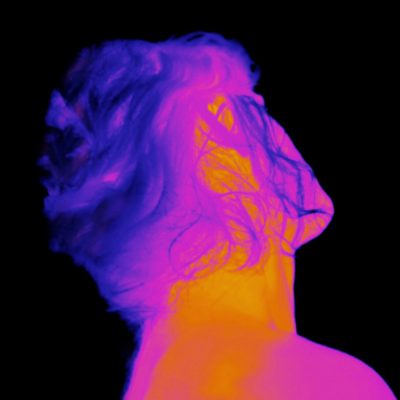
Chosen by Alain FLEISCHER
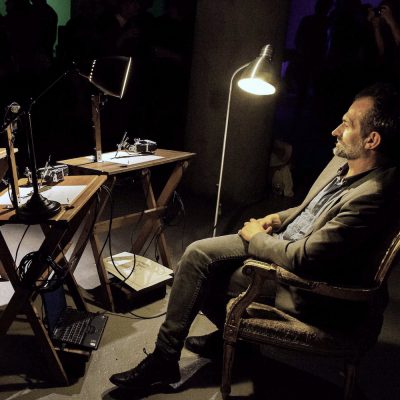
PATRICK TRESSET
Chosen by Alain Thibault
tags: art, arts & entertainment, culture & philosophy
AUAI is supported by: