
Robohub.org
Brian Cox presents Science Matters: Machine learning and artificial intelligence
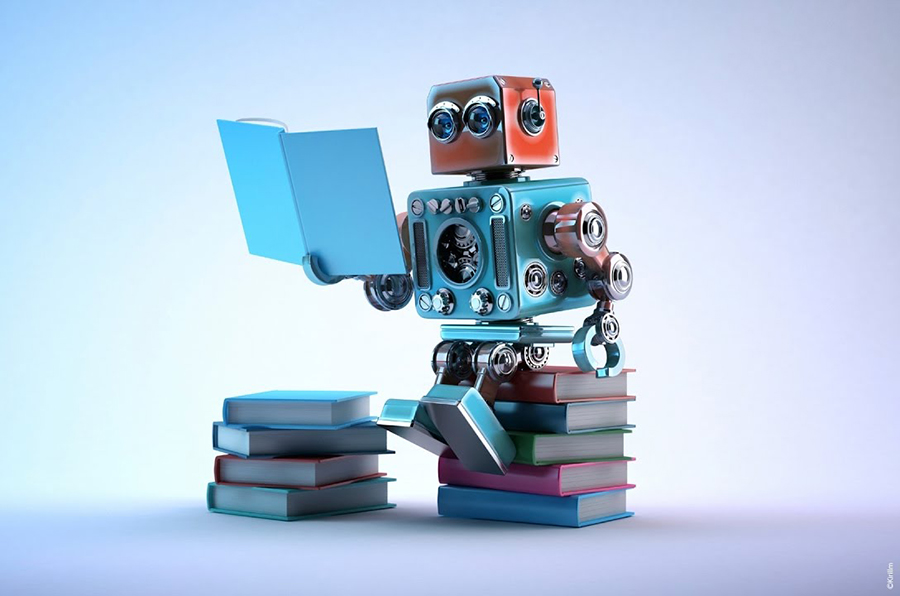
We’re beginning to see more and more jobs being performed by machines, even creative tasks like writing music or painting can now be carried out by a computer.
But how and when will machines be able to explain themselves? Should we be worrying about an artificial intelligence taking over our world or are there bigger and more imminent challenges that advances in machine learning are presenting here and now?
Join Professor Brian Cox, the Royal Society Professor of Public Engagement, as he brings together experts on AI and machine learning to discuss key issues that will shape our future. Panelists include:
- Professor Jon Crowcroft FRS, Marconi Professor of Networked Systems at the University of Cambridge
- Professor Joanna Bryson, Reader in AI Ethics, University of Bath and Affiliate, Center for Information Technology Policy, Princeton University
- Professor Sabine Hauert, Lecturer in Robotics at the University of Bristol, and President and Co-Founder of Robohub.org
- Professor Murray Shanahan, Professor of Cognitive Robotics at Imperial College London
- Professor Peter Donnelly FRS FMedSci, Director, Wellcome Trust Centre for Human Genetics, and Professor of Statistical Science, University of Oxford
https://www.youtube.com/watch?v=IunNpGGt3H8
You might also enjoy the following articles about AI and AI/robotics policy:
- MIT Media Lab to participate in $27 million initiative on AI ethics and governance
- How artificial intelligence is changing our Christmas shop
- White House report: Artificial intelligence, automation, and the economy
- White House launches public workshops on AI issues
- White House releases reports focusing on opportunities and challenges of AI
See all the latest robotics news on Robohub, or sign up for our weekly newsletter.
tags: AI, AI-cognition, culture & philosophy, ethics, human-robot interaction, machine learning, politics, video

AUAI is supported by:









