
Robohub.org
Bristol professors to play role in creating robots for dangerous nuclear sites
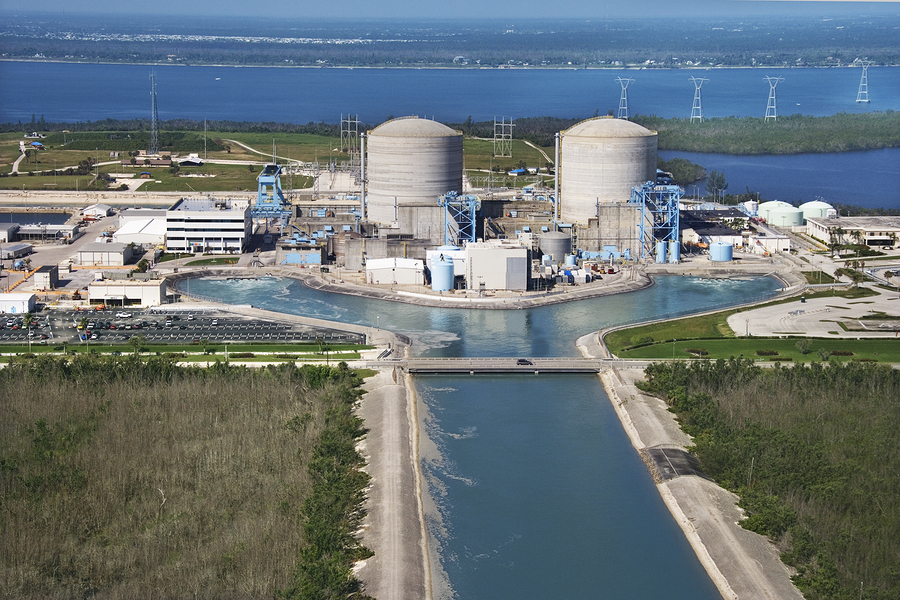
The University of the West of England (UWE Bristol) is part of a consortium which has received a £4.6 million grant to build a new generation of robots for use in nuclear sites. The funding from the Engineering and Physical Sciences Research Council will help develop smaller robotics technologies that will be able to operate autonomously and effectively in hazardous environments.
The cost of cleaning up the UK’s existing nuclear facilities has been estimated to be between £95 billion and £219 billion over the next 120 years. The harsh conditions within these facilities means human access is highly restricted and much of the work will need to be completed by robots.
Present robotics technology is not capable of completing many of the tasks that will be required. Whilst robotic systems have proven to be of great benefit at Fukushima Daiichi NPP, their limitations, which include relatively straightforward tasks such as turning valves, navigating staircases and moving over rough terrain, have been highlighted.
Robohub contributor Professor Alan Winfield, and Professor Tony Pipe, both of UWE Bristol and the Bristol Robotics Laboratory, will contribute to the project alongside researchers from the University of Manchester and the University of Birmingham as well as industrial partners Sellafield Ltd, EdF Energy, UKAEA and NuGen.
The consortium will develop robots which have improved power, sensing, communications and processing power. They will also develop systems which are able to address issues around grasping and manipulation, computer vision and perception. Importantly the robots will be autonomous – able to operate without direct supervision by humans.
Tony Pipe, Professor of Robotics and Autonomous Systems at UWE Bristol and Deputy Director of the Bristol Robotics Laboratory, said: “This project will allow Bristol Robotics Laboratory researchers to further develop, apply and then exploit their world-renowned expertise in advanced multi-robot and human-robot interaction systems to support this safety-critical domain, and hence achieve valuable societal and environment impact for the UK.”
The University of Manchester’s Professor Barry Lennox, who is leading this project, said: “This programme of work will enable us to fundamentally improve Robotic and Autonomous Systems capabilities, allowing technologies to be reliably deployed in to harsh environments, keeping humans away from the dangers of radiation.”
Within the next five years, the researchers will produce prototype robots which will then be trialled in both active and inactive environments. It is anticipated that these trials will include using robotic manipulators to autonomously sort and segregate waste materials.
The technology will not only have potential for improving robots used at nuclear sites but also in other hostile environments such as space, sub-sea, and mining or in situations such as bomb-disposal and healthcare which are dangerous or difficult for humans.
If you liked this article, you may also be interested in:
- ENRICH will test robots in real world radiological and nuclear scenarios
- Mining and nuclear decommissioning: Robots in dangerous and dirty areas
- American nuclear materials storage site guarded by robots
- Disaster response robot will inspect the damaged Fukushima nuclear reactor building
See all the latest robotics news on Robohub, or sign up for our weekly newsletter.
tags: exploration & mining, industrial, nuclear, research

AUAI is supported by:









