
Robohub.org
CES gets robots all wrong

In my opinion, the International Consumer Electronics Show used robots gratuitously, out of context and without benefit to robotics companies. It’s a category problem more than anything else and is repeated across consumer electronics, media and popular culture.
CNET used robots in the showreel for the “post mobile future of technology” panel, yet didn’t discuss automation or artificial intelligence. CES used robots in their general showreel, playing in all the shuttle buses and PR for CES2013, and yet buried the “robot tech zone” at the back of beyond. It would have been good to see the poster robot, Amp, in production or in person. But also, there were far more robots out of the robot zone than inside it. Robotics has jumped the shark. Consumer robotics is alive and well, but it doesn’t resemble the PR.
We may have reached a tipping point where having a robot zone does everyone a disservice. Outside of a couple of very well known and popular robots, like Paro and Pleo, the robot zone was primarily filled with component company booths. Most robot companies, like iRobot, were scattered across the entire show, staying closer to their vertical areas. Or they were in the new innovation and startup areas. And you couldn’t rely on the CES categories if you wanted to find a robotics company somewhere else.
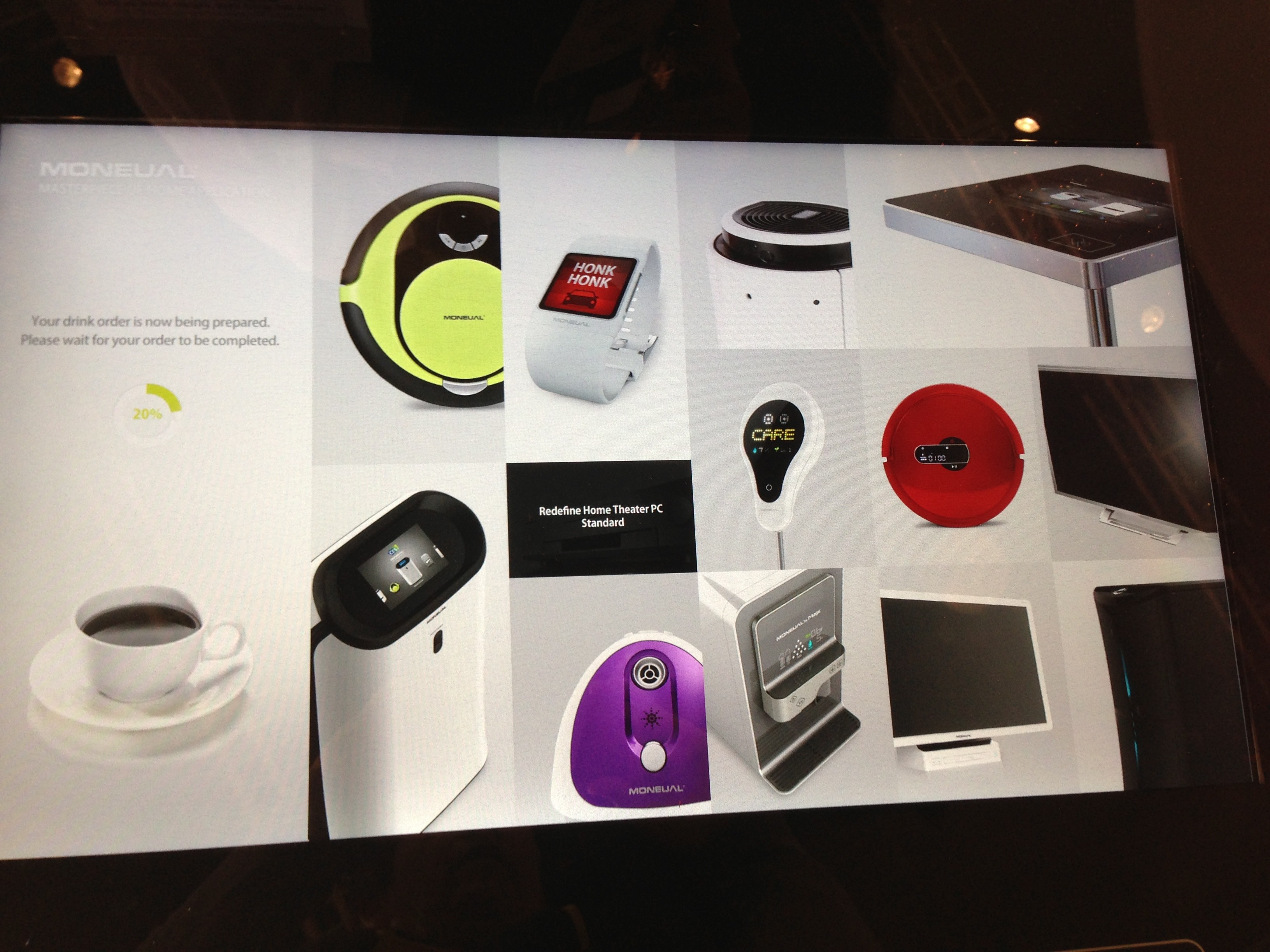
The CES 2013 official guide lists only 59 robot companies (and they are scattered across the whole convention area). It’s immediately obvious that major companies are missing from the list. iRobot, Parrot and Moneual all had “ROBOT” proudly posted all over their displays and were doing thriving business in the home appliance areas. However, they weren’t listed as robot companies.

Parrot and Moneual are going head to head in the internet of things with their new smart pot plant sensors. And although they are reaching into other areas of automation and robotics, Moneaul in particular was milking the packaging device of calling everything a “robot”, with their robot vacuum, mop and air purifier.

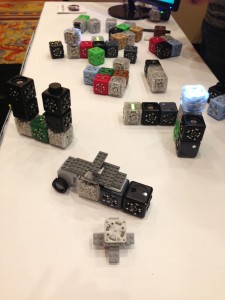
There were also some great robotics companies in the Eureka Tech Zone with Modular Robotics, RoadNarrows, Interbots and Robotex, to name just a few. Modular Robotics new Cubelets kit is both cheaper and better. They’ve added a lego conversion, so that you can attach lego to your Cubelets and go wild building. They’ve also added a bluetooth cube and made them hackable.

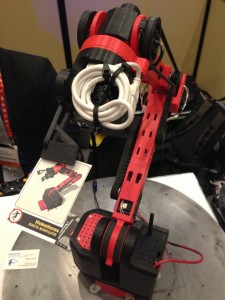
Interbots had their new soft touchable and expressive robot toy aimed at children with autism spectrum disorder. RoadNarrows was displaying a nice lightweight 3D printed 5 DOF robot arm and 3D vision system, which highlights the changes that digital manufacturing processes are making in robotics.
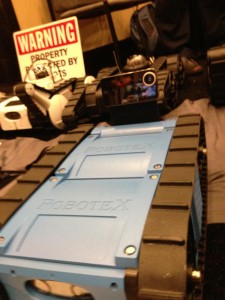
And Robotex were selling a light weight consumer version of their security robotic platform. “Avatar” is ios and android compatible, via bluetooth and is open source. Avatar also comes from a company that knows how to build reliable and robust robots and is selling for only $299.
You can also find plenty of robotics hidden in the automotive sections. (Most of the buzz I heard at CES was about driverless vehicles and assistive technologies.) But it’s clear that car companies don’t always see much benefit in identifying as a ‘robotic’ technology.
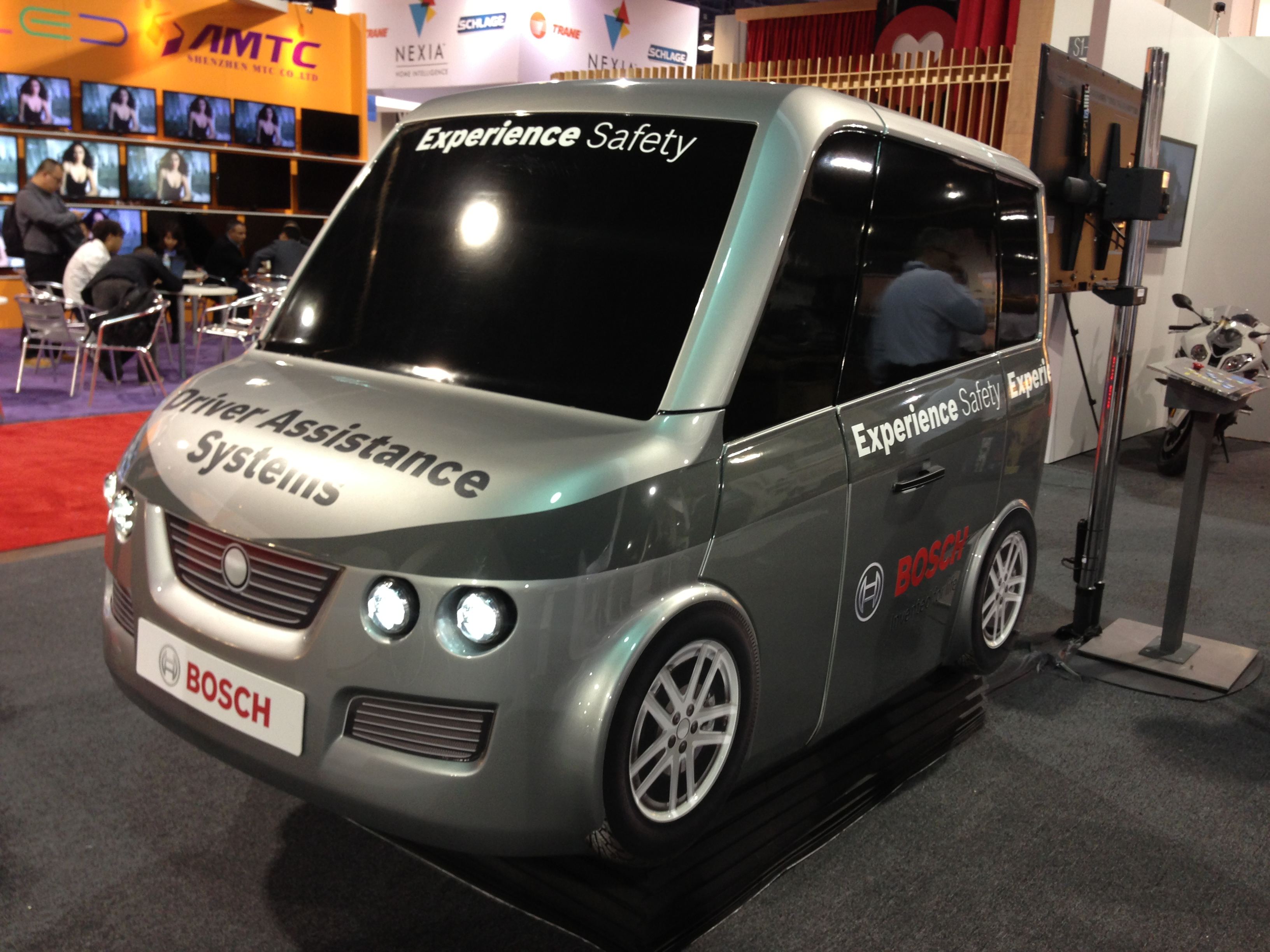
There’s the problem. What is the benefit to a robotics company in being categorized as ‘robot’ when your market may be home automation or health care?
And it was sad not to see Amp in ‘person’. It sure looked like Amp was the poster robot for CES and yet production has been on hold since the recession hit.
tags: analysis, events, robots

AUAI is supported by:









