
Robohub.org
Erle-Spider, the Ubuntu drone with legs
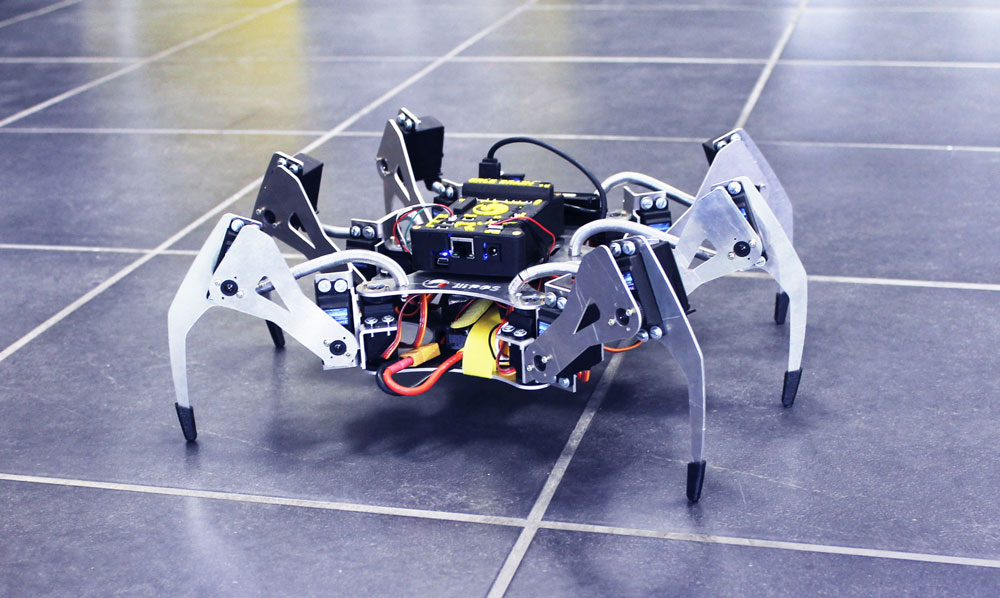
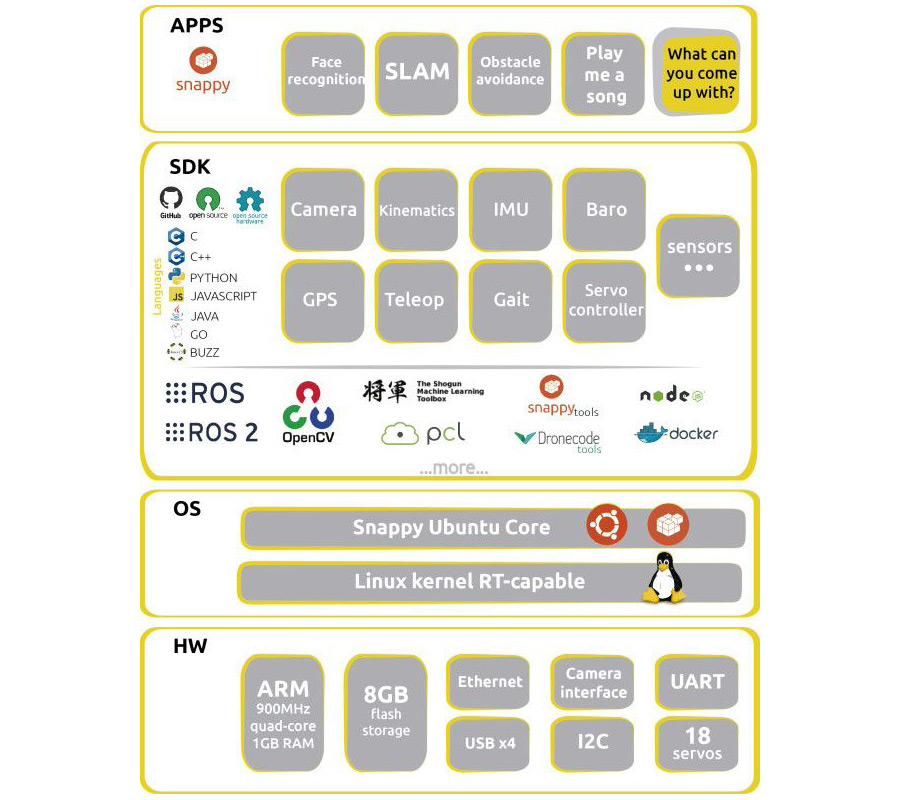
Erle-Spider is a drone with legs powered by Canonical’s new distribution for robots and IoT devices: Snappy Ubuntu Core. This computer with legs uses the Robot Operating System (ROS), and has been unleashed by Erle Robotics, a spanish startup focused on creating artificial brains for robots and drones. Now crowdfunding on Indiegogo, the Spider is powered by a 900MHz quad-core ARM Cortex-A7 microprocessor that includes 1GB of RAM and exposes several connection interfaces including Ethernet, USB, I2C, UART and HDMI. It also includes several sensors such as gyroscopes, a digital compass, a pressure sensor, gravity sensors or temperature sensors and can be further extended with any sensor that is already supported by ROS.
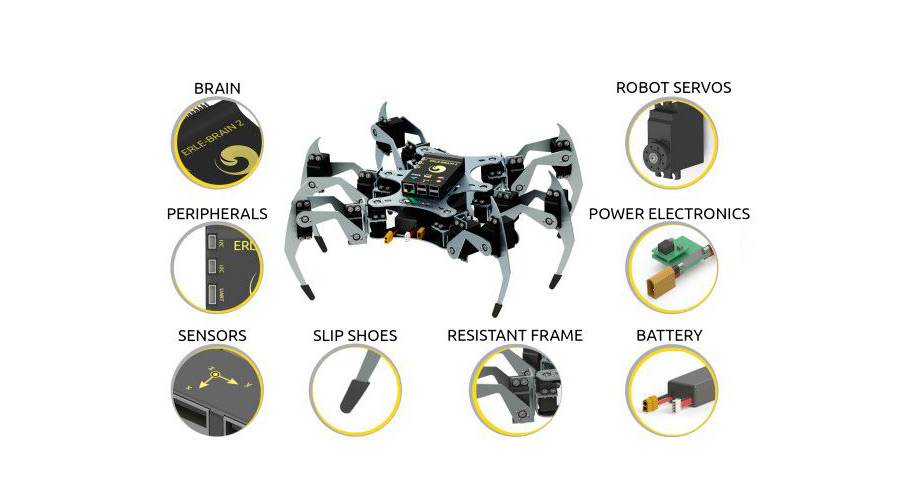
The robot has been created to meet the increasing demand for low cost robot and drone platforms that help in the process of learning, research and development of new ideas. The spider is subject to low levels of regulation when compared to other drones and will provide support for existing tools already adopted by the Dronecode Foundation. Erle Robotics has announced that the Spider will be opened (both in hardware and software once the campaign is successfully funded).
“We’ve always believed that the future of robotics wouldn’t be about humanoids costing thousands of euros, but about Linux-based, open and affordable robots that allow people to put their creativity into real applications. With Erle-Spider using Ubuntu, millions of developers will have access to a robot that can be programmed using the same tools that they use everyday” – Víctor Mayoral Vilches, CTO at Erle Robotics.
Erle-Spider’s capabilities can be extended using “apps”. Developers can easily create these applications for the drone and sell them through the cloud-based app store. The apps can be as simple as a line follower algorithm or as complicated as a behavior that using SLAM helps the spider explore pipes and provide measurements. Creating these applications for the robot doesn’t require any developer licenses (when compared to existing cloud marketplaces for smartphones) and it’s as simple creating a zip file. Furthermore, ROS is integrated within the store thereby it can be used to develop these applications.
“Erle-Spider has literally been designed to explore terrain that other robots and drones haven’t seen yet.” – Alejandro Hernández Cordero, CRO at Erle Robotics.
Erle-Spider will be delivered this Christmas and is available on Indiegogo for 399$ .
tags: c-Education-DIY, crowdfunding, Erle Robotics, ROS

AUAI is supported by:









