
Robohub.org
Liquid Robotics continues its growth by partnering with Boeing
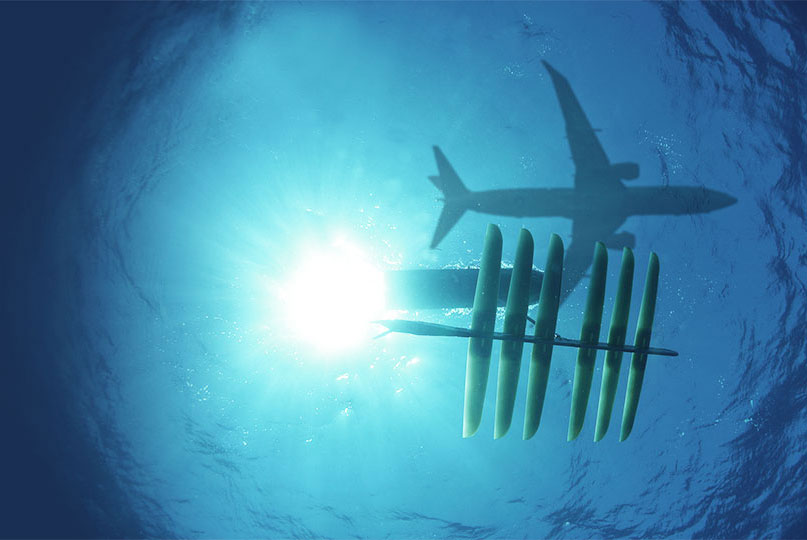
Sunnyvale-based Liquid Robotics continues their growth-by-partnering formula by striking another collaboration, this time with Boeing.
Boeing Defense, Space & Security CEO Chris Chadwick said, “It’s a great opportunity to partner with Liquid Robotics to provide new and existing customers a unique portfolio of defense solutions and capabilities and allows the Boeing-Liquid Robotics team to solve maritime security and surveillance challenges in entirely new and highly effective ways.”
From an inquisitive mind trying to record the songs of the Humpback Whales off the coast of Hawaii, to a company employing more than 100 and with over 300 wave gliders involved in the activities described below, Licquid Robotics has grown from a single experimental wave glider to six different versions (distinguished by different features and sensors) of their third iteration of glider. Uses include:
- Defense (anti-submarine warfare, mine countermeasures, marine domain awareness)
- Private security (fixed asset protection, monitoring marine protected areas)
- Oil and gas (seismic surveying, hyperlocal METOC forecasting, directional drilling monitoring, hydrocarbon detection)
- Commercial (site assessment and monitoring, fisheries stock assessment, marine mammal monitoring)
- Science (environmental monitoring, global weather, tsunami early warning, CO2 monitoring)
Partnering has played an important role in Liquid Robotics’ growth. Oil and gas industry activities are handled by a joint venture with Schlumberger, a large provider of technology, project management and information solutions to the oil and gas industry. Defense applications will now be channeled through their new collaboration with Boeing. NOAA is their science and research partner and Ultra Electronics USSI and a couple of Teledyne subsidiaries are amongst their commercial partners.
Swarm communication and decision-making are next on the drawing board for this fast-growing company and inventor of the Wave Glider.
tags: Boeing, business, liquid robotics, mapping & surveillance, military

AUAI is supported by:









