
Robohub.org
Research Days: Multi-UAV systems
Autonomously flying robots — also called small-scale unmanned aerial vehicles (UAVs) — are more and more exploited in civil and commercial applications for monitoring, surveillance, and disaster response. For some applications, it is beneficial if a team of coordinated UAVs rather than a single UAV is employed. Multiple UAVs can cover a given area faster or take photos from different perspectives at the same time. This emerging technology is still at an early stage and, consequently, profound research and development efforts are needed.
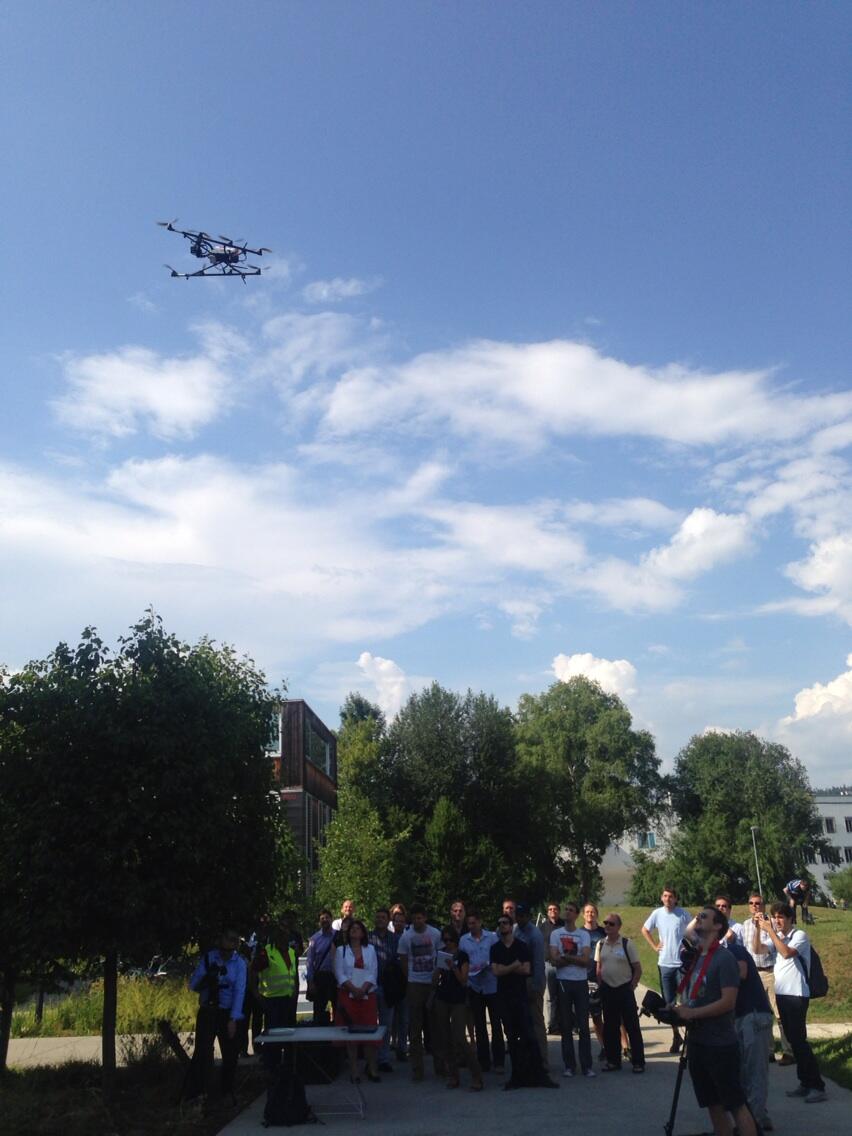
Such multi-UAV systems were in the focus of the Sixth Lakeside Research Days organized and hosted by Lakeside Labs and the University of Klagenfurt in Klagenfurt, Austria, from July 8 to 12, 2013.
Concept and Program
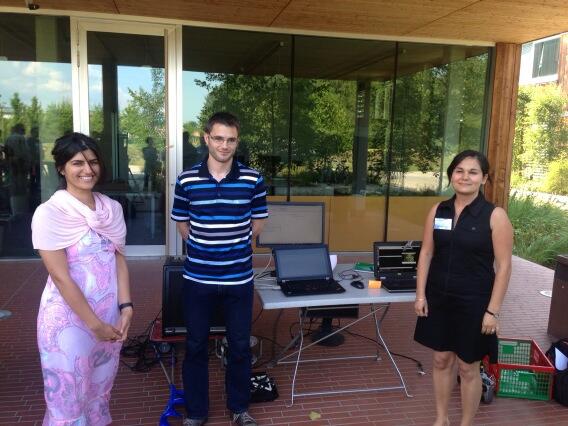
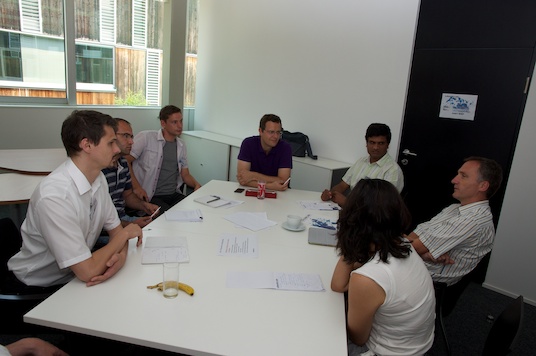
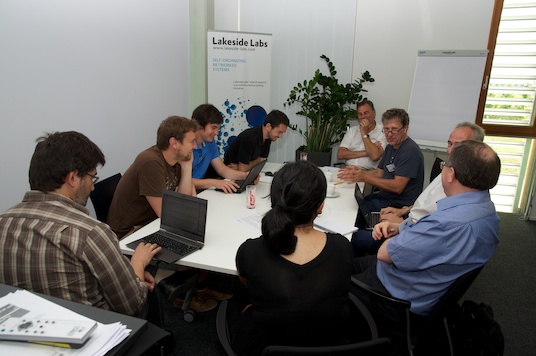
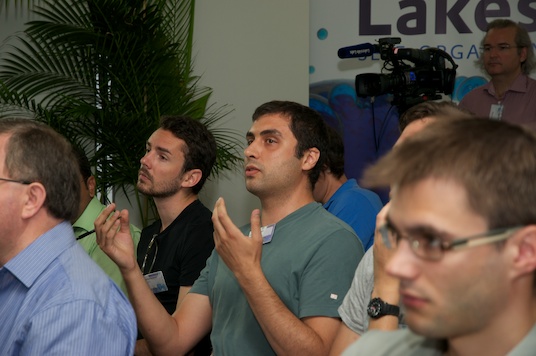
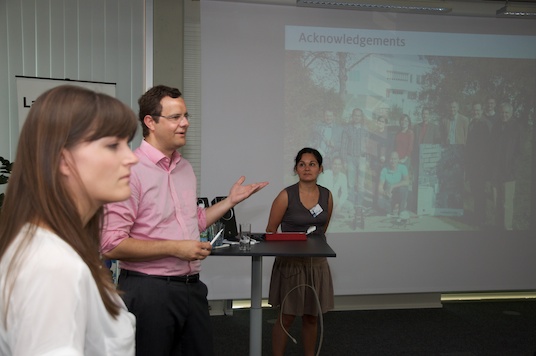
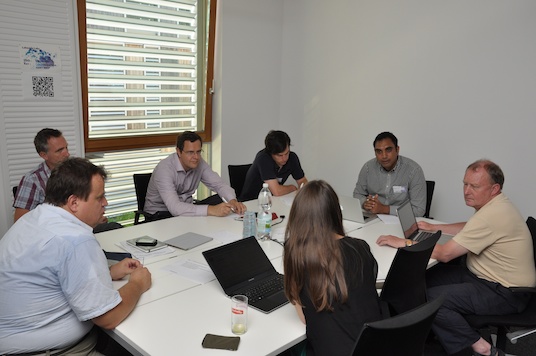
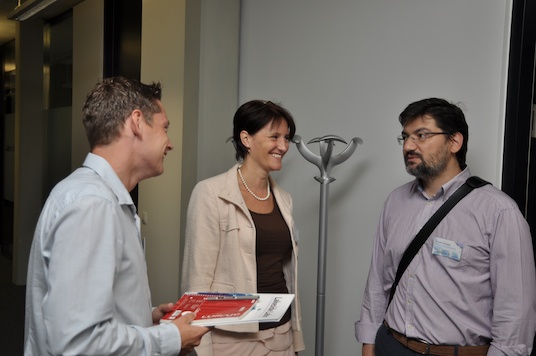
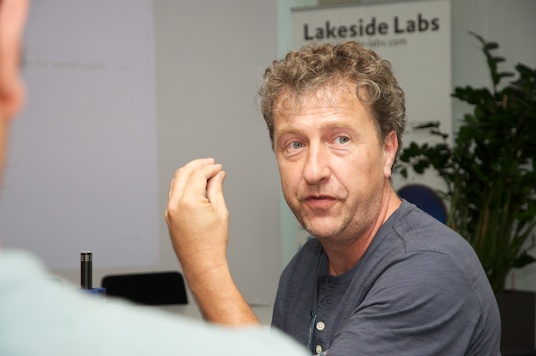
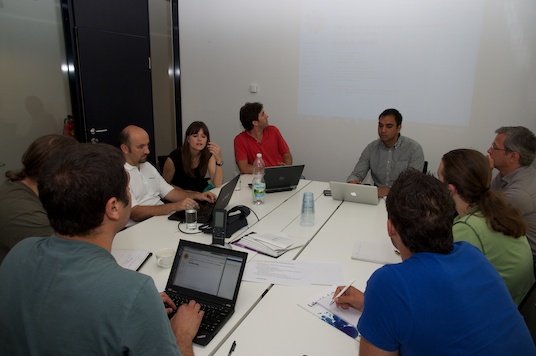
The Research Days are a special format of workshop. Besides keynote talks given by invited experts from academia and industry, they feature a demonstration session, intensive group work, discussions on technological and business aspects, and social activities for attendees.
The keynotes were as follows:
- Small flying robots: Design and visual navigation
By Roland Siegwart (ETH Zürich) - Fusion of distributed perception in collaborative visual-SLAM approaches on mini-UAVs
By Darius Burschka (TU München) - Exploiting redundancy for reliable aerial computer vision
By Horst Bischof (TU Graz) - Aerial imaging and wireless communications with multiple autonomous UAVs
By Christian Bettstetter and Evsen Yanmaz (U Klagenfurt and Lakeside Labs) - Decisional issues in multi-UAV systems
By Simon Lacroix (LAAS/CNRS) - Slalom racing and flight dances: motion planning, control and learning for high-performance quadrocopter flight
By Angela Schöllig (U Toronto) - Multi-spectral people detection from UAVs
By Stephen Cameron (Oxford)
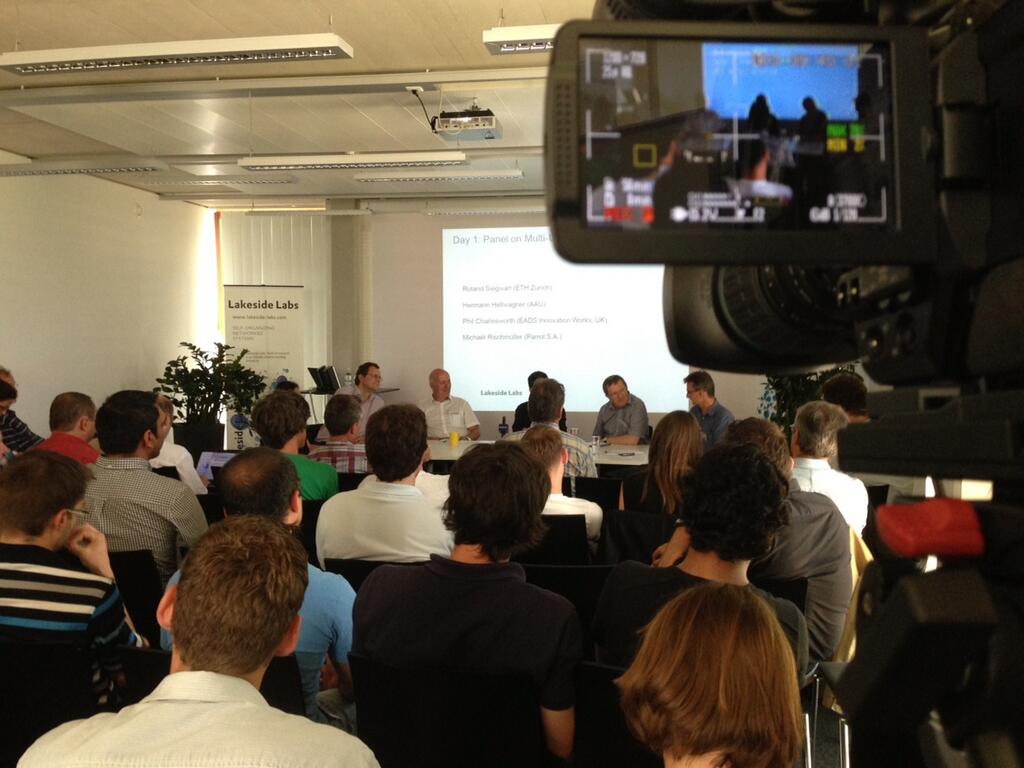
A panel with Roland Siegwart, Hermann Hellwagner (Klagenfurt), Phil Charlesworth (EADS), and Michaël Rischmüller (Parrot) discussed business opportunities and start-up ideas of UAV systems.
Further information can be found in the final program and the Twitter feed #resdays13.
Media Coverage
The event was covered by various media including Austrian television ORF and the newspaper Der Standard (article Drones in peace missions).
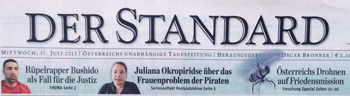
Cover of “Der Standard” from 17 July, 2013
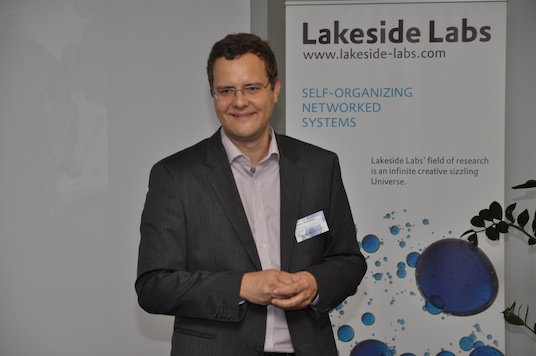
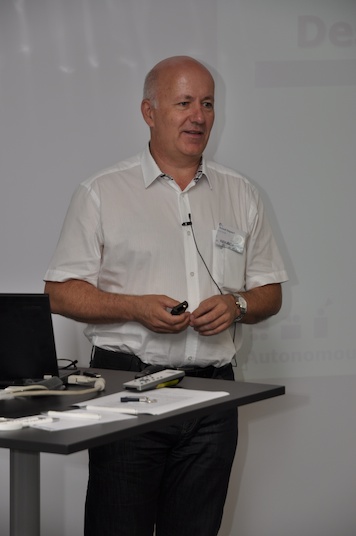
Impressions of the First Day
Keynote by Siegwart: Small flying robots
Keynote by Schöllig: Slalom racing and flight dancing
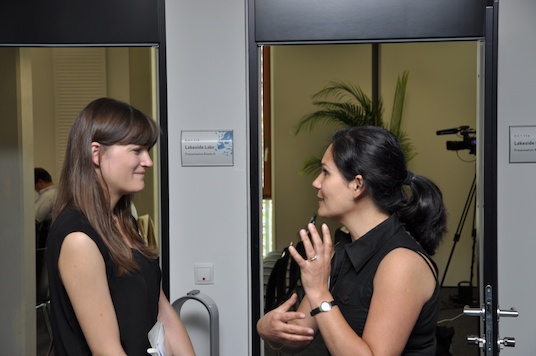
Image Gallery
 |
 |
 |
 |
 |
 |
 |
 |
 |
 |
 |
 |
 |
 |
 |
 |
 |
Photos by Christian Philipp (Lakeside Labs GmbH) and Christian Bettstetter.
tags: bio-inspired, ETH Zurich, events, interview, research, social robotics, swarm, UAVs & drones

AUAI is supported by:









