Robohub.org
 

Singapore to begin testing on-demand robot taxis

by
02 August 2016


share this:
Image source: Delphi

Image credit: Delphi

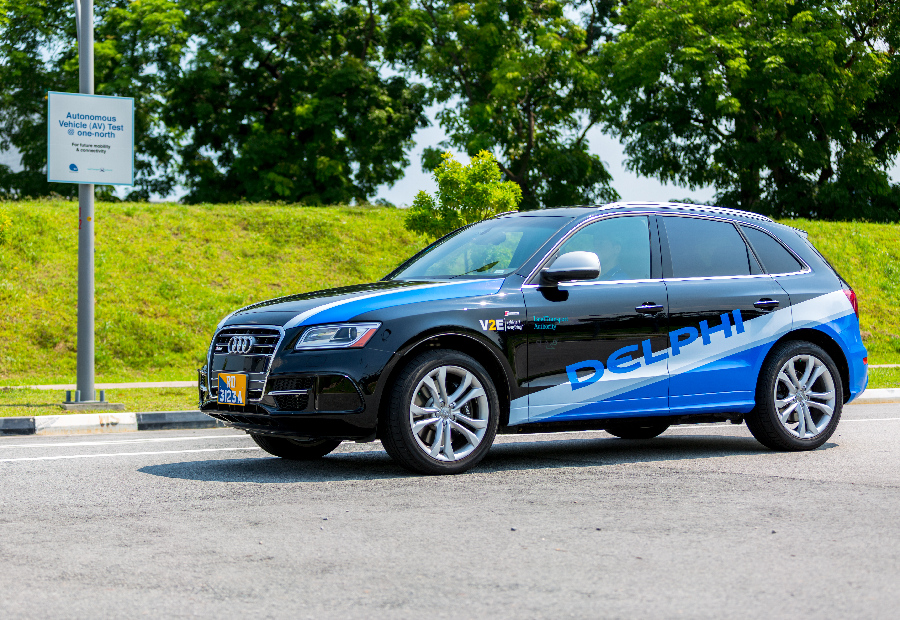
Delphi Automotive, the global provider of vehicle electronics components, will begin testing 6 phone-dispatched autonomous taxis in Singapore that will go point-to-point based on customer requests with a goal of providing no-driver-in-the-car service by 2019, and cars without steering wheels by 2022.

Delphi Automotive already provides some of the autonomous systems that are beginning to appear in new cars, as seen by this components’ graphic.
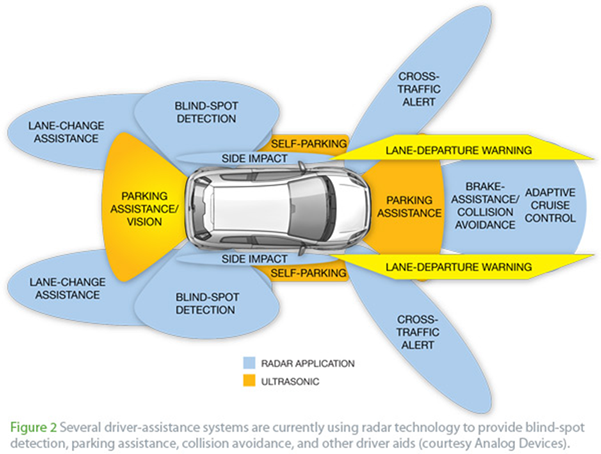
Several driver-assistance systems are currently using radar technology to provide blind-spot detection, parking assistance, collision avoidance, and other driver aids. (courtesy Analog Devices). Image source: EDN Network

Image source: EDN Network

Delphi has a small autonomous fleet in Silicon Valley and last year demonstrated a coast-to-coast autonomous drive.

According to Glen DeVos, a Delphi senior vice president, at a briefing in Troy, MI:

“We actually will have point-to-point automated mobility on demand with no driver in the car. It’s one of the first, if not the very first, pilot programs where we’ll demonstrate mobility-on-demand systems.

Singapore is a small island and right now, for the individual to get to the mass-transit systems, it’s not easy. The city is really trying to lead the world in addressing urban congestion.

Singapore’s Land Transport Authority chose Delphi for the test as the city looks to driverless vehicles to address growing gridlock. It asked Delphi to provide robot rides to get commuters to mass-transit stations so fewer cabs will be clogging the roads.”
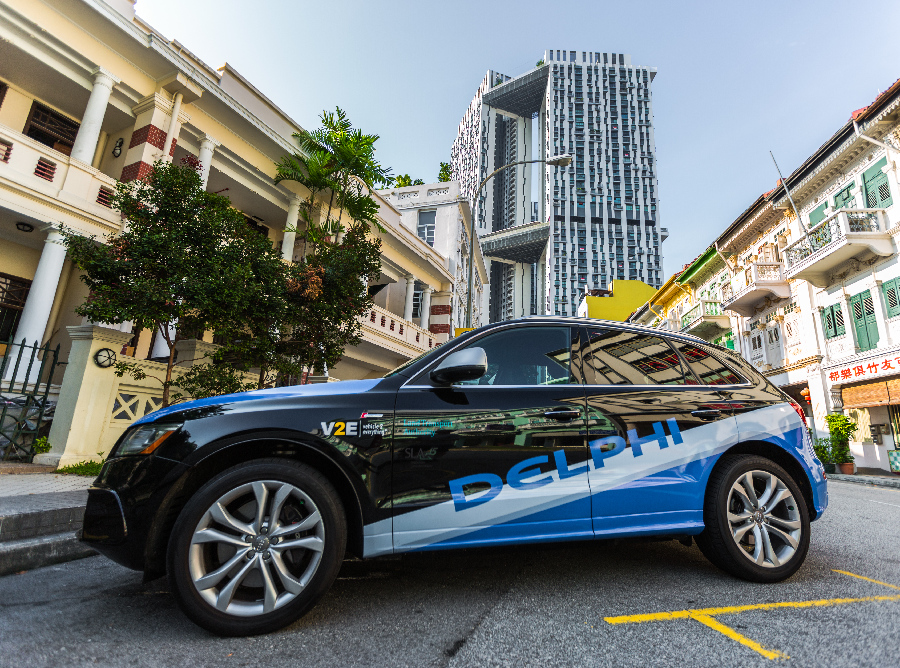
Image credit: Delphi

Image credit: Delphi

[Actually, regarding DeVos’ claim that they are the first, NuTonomy, a spinoff from MIT, has plans to deploy “thousands” of fully self-driving taxis all over Singapore by 2019. The company is already testing its vehicles in an area of Singapore’s business district called 1 North. NuTonomy will expand to a nearly four-mile radius as early as this summer.]

DeVos said Delphi plans to announce similar pilot programs in the U.S. and Europe very soon. If all goes as planned, the next phase will be deploying fully autonomous cars without steering wheels by 2022, he said.


tags: , ,


Frank Tobe is the owner and publisher of The Robot Report, and is also a panel member for Robohub's Robotics by Invitation series.


Related posts :


MIT engineers design an aerial microrobot that can fly as fast as a bumblebee

  31 Dec 2025
With insect-like speed and agility, the tiny robot could someday aid in search-and-rescue missions.

Robohub highlights 2025

  29 Dec 2025
We take a look back at some of the interesting blog posts, interviews and podcasts that we've published over the course of the year.

The science of human touch – and why it’s so hard to replicate in robots

  24 Dec 2025
Trying to give robots a sense of touch forces us to confront just how astonishingly sophisticated human touch really is.

Bio-hybrid robots turn food waste into functional machines

  22 Dec 2025
EPFL scientists have integrated discarded crustacean shells into robotic devices, leveraging the strength and flexibility of natural materials for robotic applications.

Robot Talk Episode 138 – Robots in the environment, with Stefano Mintchev

  19 Dec 2025
In the latest episode of the Robot Talk podcast, Claire chatted to Stefano Mintchev from ETH Zürich about robots to explore and monitor the natural environment.

Artificial tendons give muscle-powered robots a boost

  18 Dec 2025
The new design from MIT engineers could pump up many biohybrid builds.

Robot Talk Episode 137 – Getting two-legged robots moving, with Oluwami Dosunmu-Ogunbi

  12 Dec 2025
In the latest episode of the Robot Talk podcast, Claire chatted to Oluwami Dosunmu-Ogunbi from Ohio Northern University about bipedal robots that can walk and even climb stairs.


Robohub is supported by:


Would you like to learn how to tell impactful stories about your robot or AI system?


scicomm
training the next generation of science communicators in robotics & AI


©2025.05 - Association for the Understanding of Artificial Intelligence