Robohub.org
podcast
 

The Wambots Team with Thomas Bräunl


by
30 November 2012


share this:

In today’s episode, we speak with Thomas Bräunl from the University of Western Australia about the MAGIC 2010 Challenge, the Wambot team and work done at the Robotics & Automation Lab.


Thomas Bräunl
Thomas Bräunl is Professor at the University of Western Australia and leader of the Robotics & Automation Lab. He tells us about the first MAGIC Challenge (Multi Autonomous Ground-Robotics International Challenge) that took place in 2010 in Adelaide, South Australia. MAGIC is a 1.6 million dollar prize competition for autonomous mobile robots funded by the primary research organizations for Tank and Defense research in the USA and Australia-TARDEC and DSTO. The goal of the competition is to create multi-robot teams that can execute an intelligence, surveillance and reconnaissance mission in a dynamic urban environment. Tasks include mapping a 500 m x 500 m area in under 3.5 hours and identifying targets of interest. Bräunl tells us what it takes to make a robot for your first participation in a robotics competition, lessons learned from their 4th place and other work done in the lab on underwater robotics and the “not so Grand Challenge”.


Calum Meiklejohn
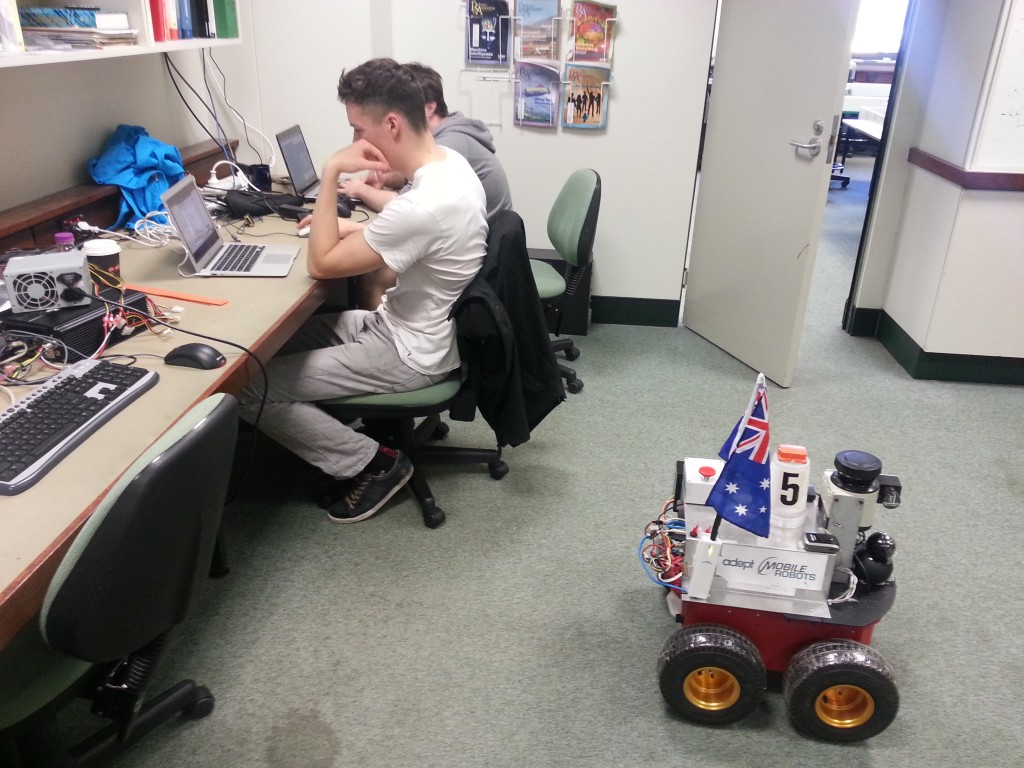
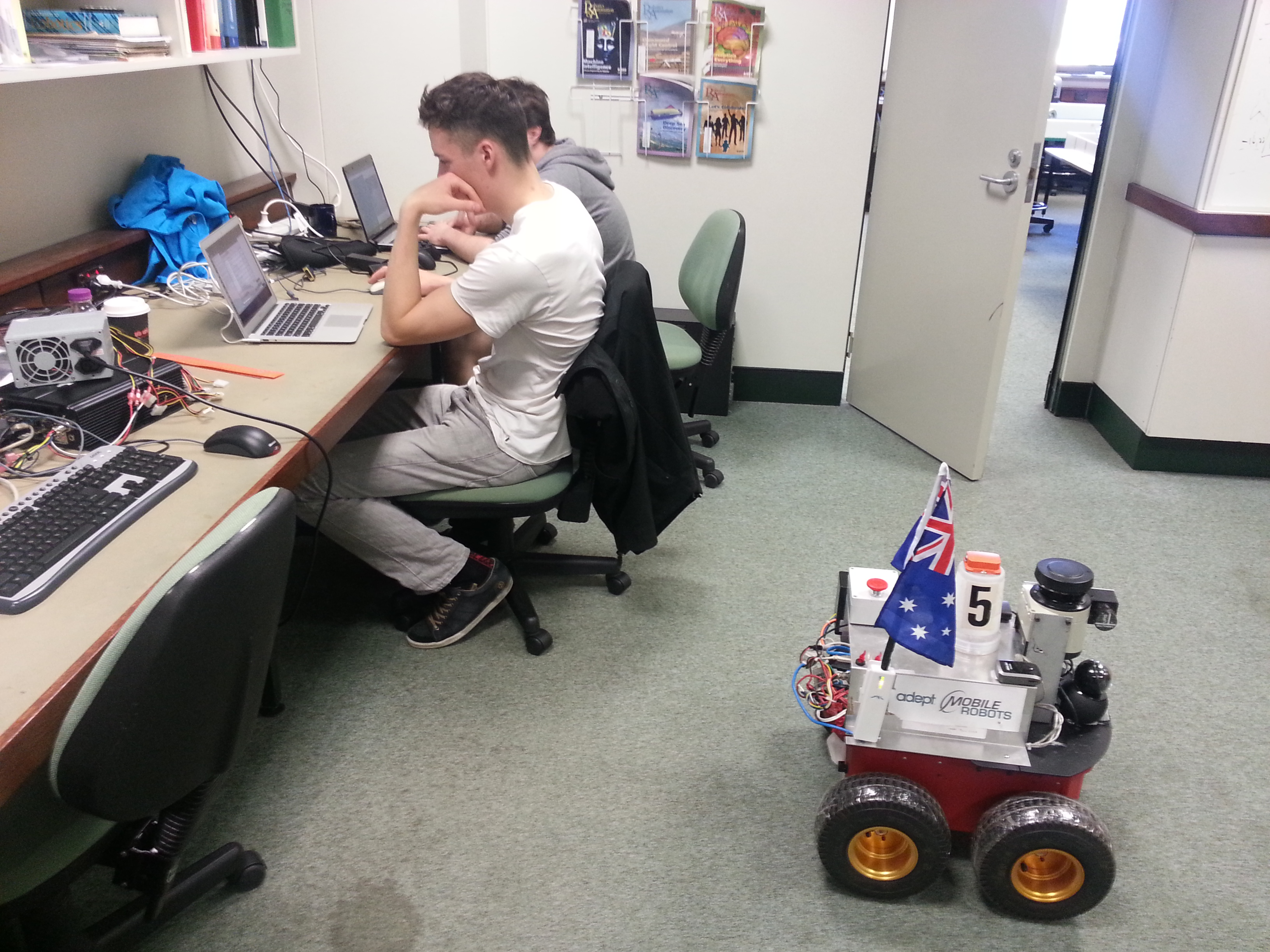
Calum is a mechatronics student working towards his final year project. He tells us about his work on the new UWA Wambot robot including an upgrade in software that now uses ROS (Robot Operating System) to coordinate sensors for SLAM (Simultaneous localization and Mapping). Their final aim is to have a swarm of these cooperate to build maps of an environment.

Links:


tags: ,


Podcast team The ROBOTS Podcast brings you the latest news and views in robotics through its bi-weekly interviews with leaders in the field.

            AUAI is supported by:


Subscribe to Robohub newsletter on substack


Related posts :

Building and programming autonomous robots at the York Micromaze Hackathon

and   11 Sep 2026
From 25–27 August, UK RAS STEPS members came together for a three-day Micromaze Robot Hackathon.

Robotics roadmaps from around the world spotlight of the month: United States of America

US robotics researchers and industry are looking for a cohesive national robotics strategy.

Could robots help tackle loneliness? BBC’s Ann Droid raises questions about the future of care

  07 Sep 2026
While the series exaggerates what robots can currently do, some of the technology it depicts is already being tested.

Exploring the Moon will require rovers that can think for themselves – an upcoming NASA mission will test whether they can

  04 Sep 2026
NASA is planning to send three small rovers to the Moon to autonomously compute how to best explore a patch of ground.

Surviving the paper deluge: Notes from an ICRA panel on publishing, LLMs, and the future of peer review

Experts discuss peer-review challenges and possibilities for reshaping the process.

When expressive humanoid robots are awkward, people become wary – new brain study

  31 Aug 2026
People become more suspicious of a humanoid robot that makes errors, especially when the robot is an expressive conversation partner.

First 11 vs 11 humanoid soccer game played at RoboCup 2026

  28 Aug 2026
Watch highlights from this historic match.


AUAI is supported by:


Subscribe to Robohub newsletter on substack


©2026.05 - Association for the Understanding of Artificial Intelligence