
Robohub.org
The autonomous driving r/evolution: Call to contribute to Robohub Focus
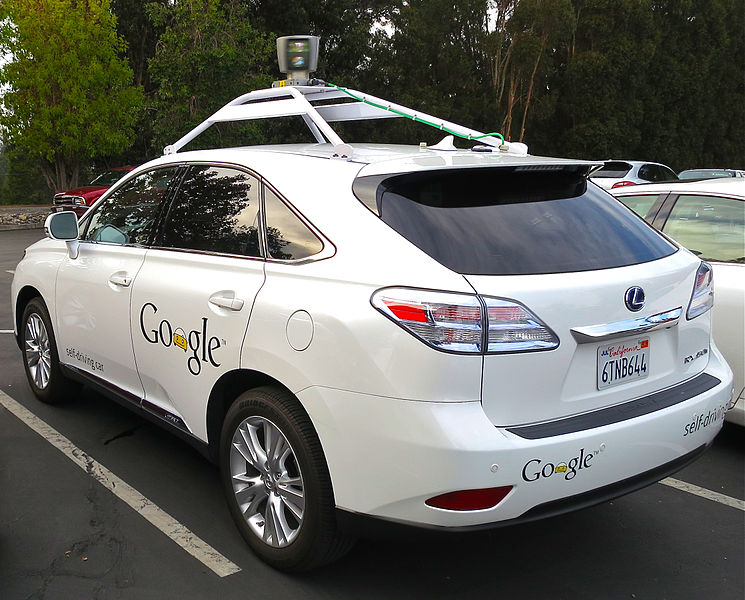
While a city full of autonomous taxis may seem part of a distant future, sophisticated driver-assistance systems such as ABS, cruise-control, lane-keeping and self-parking are already a reality in today’s auto market.
Recently the US Department of Transportation announced their decision to move forward with vehicle-to-vehicle communication technology to allow cars to exchange data with each other to improve road safety, suggesting that the autonomous car (r)evolution is indeed well upon us.
What technical advances are bringing autonomous cars and highway systems closer to reality? How do autonomous vehicles experts envision the future of personal transportation? What are the market, legal and policy forces at play?
Robohub is planning a focus series on the state-of-the-art and the future of autonomous driving, and we are inviting readers with expertise in the field to contribute.
Suggested Topics
- Driver-assistance systems
- Traffic optimization
- Mobile networking
- Highways and roads of the future
- History of autonomous driving
- Insurance, privacy and liability issues of autonomous driving
- Consumer perceptions/consumer readiness
Submission Guidelines
Robohub is looking for original submissions (800 – 2000 words) from experts in the robotics, automotive, insurance and legal communities. Technical/research articles, point-of-view pieces and interviews are welcome.
Submissions should include images and videos where applicable, as well as relevant captions and photo credits. For their author profile, contributors should also include their photo, brief bio, and (optionally) links to their personal blog/website, Twitter handle, and LinkedIn profile.
Please review our past focus series for examples of the kind of articles we are looking for:
- Big Deals: What It Means to Have the Giants Investing in Robotics
- Robotic cornucopia: The state-of-the-art and the future of agricultural robotics
- Getting Started in Robotics: Focus on Education
- Frontier robotics: High risks, high rewards
- Robohub focus: Dealing with the ‘jobs’ question
- Focus on robots and warfare
Deadline
Interested contributors should indicate their interest ASAP to info[at]robohub.org. Final submissions should be received by June 15, 2014, however deadline extensions may be granted in some cases. Series publication will begin in the month of June.
tags: Automotive, Autonomous Cars, Robohub Focus on Autonomous Cars, robohub focus on autonomous driving, Robot Car, self-driving cars

AUAI is supported by:









