
Robohub.org
 

1,407 FAA exemptions for UAS

by
21 September 2015


share this:
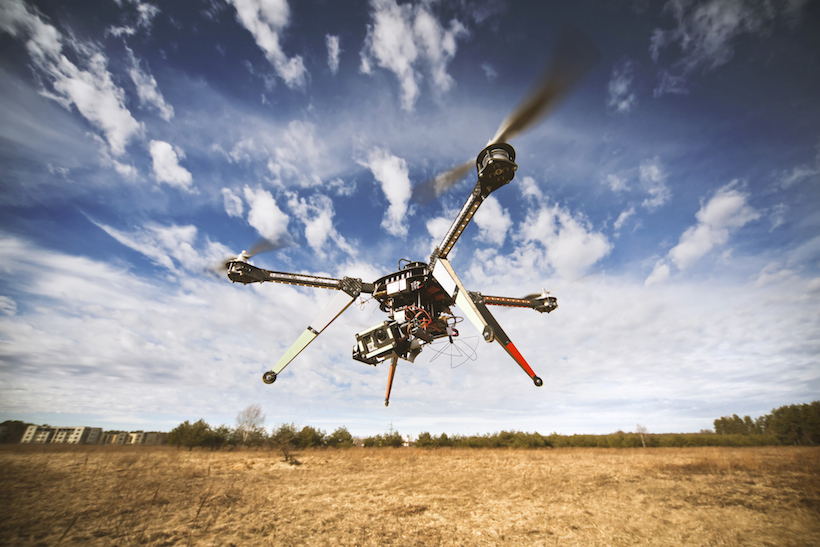
Quadrocopter drone

Quadrocopter drone

In May 2014, the US Federal Aviation Administration (FAA) began accepting petitions for exemptions to operate unmanned aircraft systems (UAS) commercially in civilian airspace. As of 1 September 2015, 1,407 of 2,650 petitions have been approved.

Congress mandated an August 2014 deadline for the integration of small UAS into the National Airspace System, and a September 2015 deadline for the integration of all UAS — timeframes the FAA will miss with no clear indication as to when they will meet those obligations.

The flood of commercial exemption requests shows that a mature UAS commercial market is waiting to be unleashed; 84% of the approved companies are small businesses and California, Florida and Texas  (in that order) had the most approvals, indicating that most of the big companies are waiting for the FAA.

An analysis of the stated purpose of all the petitions showed them grouped as follows with the top item having the most approvals:

  • Real estate
  • General aerial surveying
  • Agriculture
  • Construction
  • Film and TV
  • Utility inspection
  • Environmental uses
  • Search and rescue
  • Emergency management
  • Insurance

The data shown above, and analyzed in detail in the AUVSI report from which it came, indicates that these initial waivers favor simple, low-risk operations that pose no real threat to the National Airspace. The data also shows, by omission, that beyond line-of-sight and night-time operations, such as those proposed by Amazon, DHL and others, are critical to achieving the full economic benefit of UAS use, but must await more collision-avoidance technology and a technological regulation framework from the FAA.


tags: , , , ,


Frank Tobe is the owner and publisher of The Robot Report, and is also a panel member for Robohub's Robotics by Invitation series.


Related posts :


Bio-hybrid robots turn food waste into functional machines

  22 Dec 2025
EPFL scientists have integrated discarded crustacean shells into robotic devices, leveraging the strength and flexibility of natural materials for robotic applications.

Robot Talk Episode 138 – Robots in the environment, with Stefano Mintchev

  19 Dec 2025
In the latest episode of the Robot Talk podcast, Claire chatted to Stefano Mintchev from ETH Zürich about robots to explore and monitor the natural environment.

Artificial tendons give muscle-powered robots a boost

  18 Dec 2025
The new design from MIT engineers could pump up many biohybrid builds.

Robot Talk Episode 137 – Getting two-legged robots moving, with Oluwami Dosunmu-Ogunbi

  12 Dec 2025
In the latest episode of the Robot Talk podcast, Claire chatted to Oluwami Dosunmu-Ogunbi from Ohio Northern University about bipedal robots that can walk and even climb stairs.

Radboud chemists are working with companies and robots on the transition from oil-based to bio-based materials

  10 Dec 2025
The search for new materials can be accelerated by using robots and AI models.

Robot Talk Episode 136 – Making driverless vehicles smarter, with Shimon Whiteson

  05 Dec 2025
In the latest episode of the Robot Talk podcast, Claire chatted to Shimon Whiteson from Waymo about machine learning for autonomous vehicles.


Robohub is supported by:


Would you like to learn how to tell impactful stories about your robot or AI system?


scicomm
training the next generation of science communicators in robotics & AI


©2025.05 - Association for the Understanding of Artificial Intelligence









