
Robohub.org
NHTSA ODI report exonerates Tesla in fatal crash
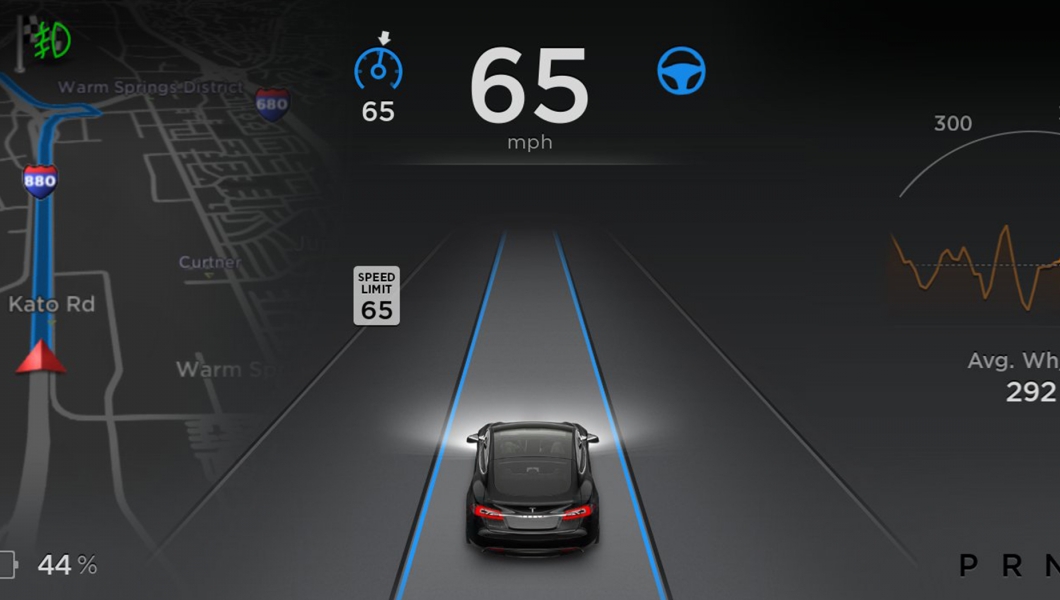
Tesla Model S autopilot-software. Source: Tesla
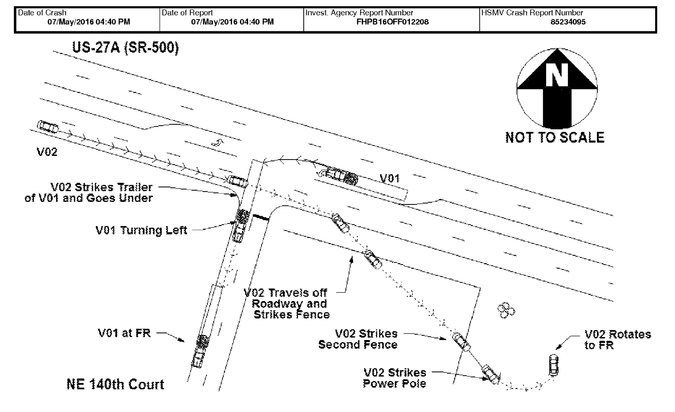
NHTSA released the report from their Office of Defects Investigation on the fatal Tesla crash in Florida last spring. It’s a report that is surprisingly favorable to Tesla. So much so that even I am surprised.
While I did not think Tesla would be found defective, this report seems to come from a different agency than the one that recently warned comma.ai that:
It is insufficient to assert, as you do, that the product does not remove any of the driver’s responsibilities” and “there is a high likelihood that some drivers will use your product in a manner that exceeds its intended purpose.
The ODI report rules that Tesla properly considered driver distraction risks in its design of the product. It goes even further, noting that drivers using Tesla Autopilot (including those monitoring it properly and those who did not) still had a decently lower accident rate for mile than drivers of ordinary cars without autopilot. In other words, while the Autopilot without supervision is not good enough to drive on its own, the Autopilot even with occasionally lapsed supervision that is known to happen is still overall a safer system than not having the Autopilot at all.
This will provide powerful support for companies developing autopilot style systems, and companies designing robocars who wish to use customer supervised driving as a means to build up test miles and verification data. They are not putting their customers at risk as long as they do it as well as Tesla. This is interesting (and the report notes that evaluation of Autopilot distraction is not a settled question) because it seems probable that people using the Autopilot and ignoring the road to do e-Mail or watch movies are not safer than regular drivers. But the overall collection of distracted and watchful drivers is still a win.
This might change as companies introduce technologies which watch drivers and keep them out of the more dangerous inattentive style of use. As the autopilots get better, it will become more and more tempting, after all.
Tesla stock did not seem to be moved by this report. But it was also not moved by the accident or other investigations — it actually went on a broadly upward course for 2 months following the announcement of the fatality.
The ODI’s job is to judge if a vehicle is defective. That is different from saying it’s not perfect. Perfection is not expected, especially from ADAS and similar systems. The discussion about the finer points of whether drivers might over-trust the system are not firmly settled here. That can still be true without the car being defective and failing to perform as designed or being designed negligently.
tags: Automotive, Autonomous Car, autonomous vehicles, Brad Templeton, robocars, robohub focus on autonomous driving, Tesla, Tesla crash

AUAI is supported by:









