Robohub.org
No, Detroit is not winning the robocar race
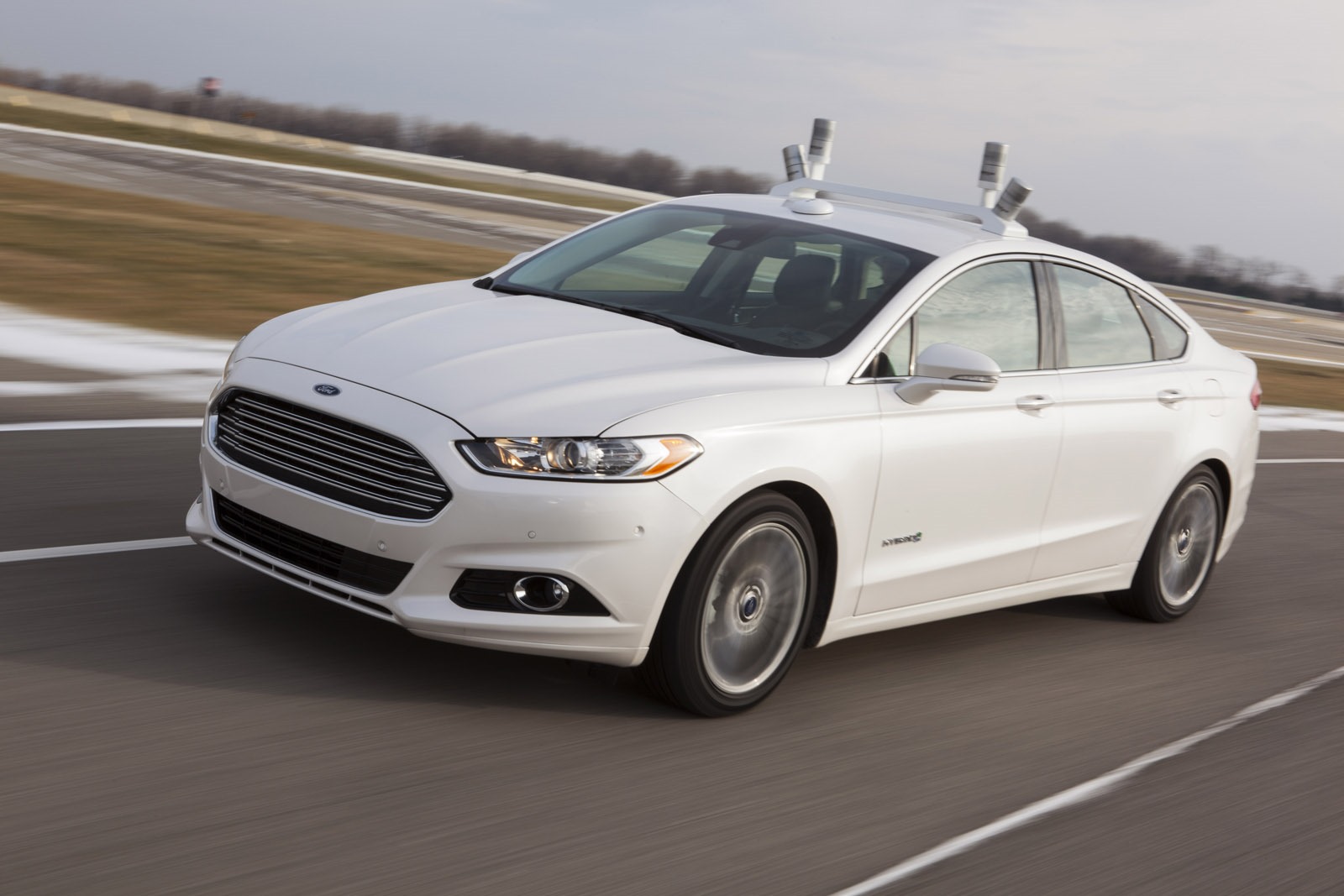
A new report from Navigant Research includes the chart shown below, ranking various teams on the race to robocar deployment. It’s causing lots of press headlines about how Ford is the top company and companies like Google and Uber are far behind. I elected not to buy the $3,800 report, but based on the summary I believe their conclusions are ill founded to say the least.
This ordering smacks of old-world car industry thinking. Saying that Ford and GM are ahead of Waymo/Google is like saying that Foxconn is ahead of Google or Apple in the smartphone market. Foxconn makes the iPhone of course, and makes lots of money at a modest profit margin of a few percent. Apple and Google don’t make their phones, they design them and the software platform.
Ford and GM might feel good reading this report, but they should not. I do actually like Ford’s plan quite a bit — especially their declaration that they will not sell their robocar to end-users. I also like Daimler’s declaration that they want to have a taxi style service called “Car2Come” after their Car2Go one-way on-demand car rental service. (Americans giggle at the name, Germans are never bothered by such things. :-)

GM does not belong on the list, other than for its partnership with Lyft. They were wise to acquire a company like Cruise — and I know the folks at Cruise, this is not a criticism of them — but it’s not enough to catapult you to the front of the list.
A similar article came out a few months ago, declaring that Silicon Valley was sure to lose to Detroit, because Detroit knows how to make cars, and Silicon Valley doesn’t. The report went further and declared that Google was falling behind because they had said they did not plan to make a car. The author had mistakenly thought Google had plans to make a car — Google never said anything like that — and so decided that the announcement that they would not make one was a big retreat on their part.
Companies like Google, Apple and Uber have never stated they wished to make cars, or felt they were any good at it. If they want to make cars, they have the cash to go buy a car company, but there is no need to do that. There are a couple of dozen companies around the world who are already very good at making cars, and if you come to them with an order for 100,000 cars to your specification, they will jump to say “yes, sir!” Some of the companies, the big leaders like Toyota or BMW, might well refuse that order, not wanting to be the supplier for a threat to their existence. But it won’t help them. Somebody will be that supplier. If not a German, Japanese or U.S. company, then a Korean company, or failing that a Chinese company. In fact, Foxconn has said it is interested in making cars, and Apple is designing them, so the Apple-Foxconn relationship may be far more than a metaphor for this situation.
When you summon an Uber, you don’t care what nameplate is on the car. When you summon UberSelect, you don’t care if it’s Lexus, or Mercedes or BMW. Uber was your brand, and you aren’t buying the car for 15 years, you are buying it for 15 minutes. Brand plays a completely different role.
Companies like Waymo, Apple, Uber, Zoox and others would be foolish to manufacture cars, unless they want a car so radically different that nobody knows how to make it. (Then, they might decide to be the first to figure it out.) The car manufacturers would be foolish to turn down the giant purchase order, or partnerships with whoever has the best technology.
The winner of the transportation game of the future will be the company that thinks outside the car. That doesn’t mean the big car companies can’t do that. It’s just harder for them to do.
The chart’s not entirely wrong. Honda is pretty far behind — but PSA is even further behind. BMW, Daimler and Ford are among the best of the car companies, but Tesla and Volvo deserve higher ranking. Hyundai is not ahead of Toyota, and Tesla, while not ahead of Waymo, is in a pretty good place. Bosch is a surprising absentee from the list. FCA should be on it, just very low on the chart, along with the smaller Japanese vendors and many Chinese vendors.
But be clear. Making the car is essential, but it’s also old and a commodity. The value will lie in those building the self-driving software systems and sensors, and those putting services together around the technologies. The big automaker’s advantages — nameplate and reputation, reliability, manufacturing skill and capacity, retail channel experience — these are all less valuable or commoditized. They have to act fast to move to new business models that will make it in the future. Of course, one plan is to own the important components I name above, and several companies like BMW, Daimler, Ford, Nissan and Volvo are trying to do that. But they’re behind Waymo by a fair distance.
tags: Automotive, cx-Business-Finance, GM, opinion, robocar, Robotics technology, Waymo