Robohub.org
212
Self-Driving Cars: From Research to Road with Karl Iagnemma
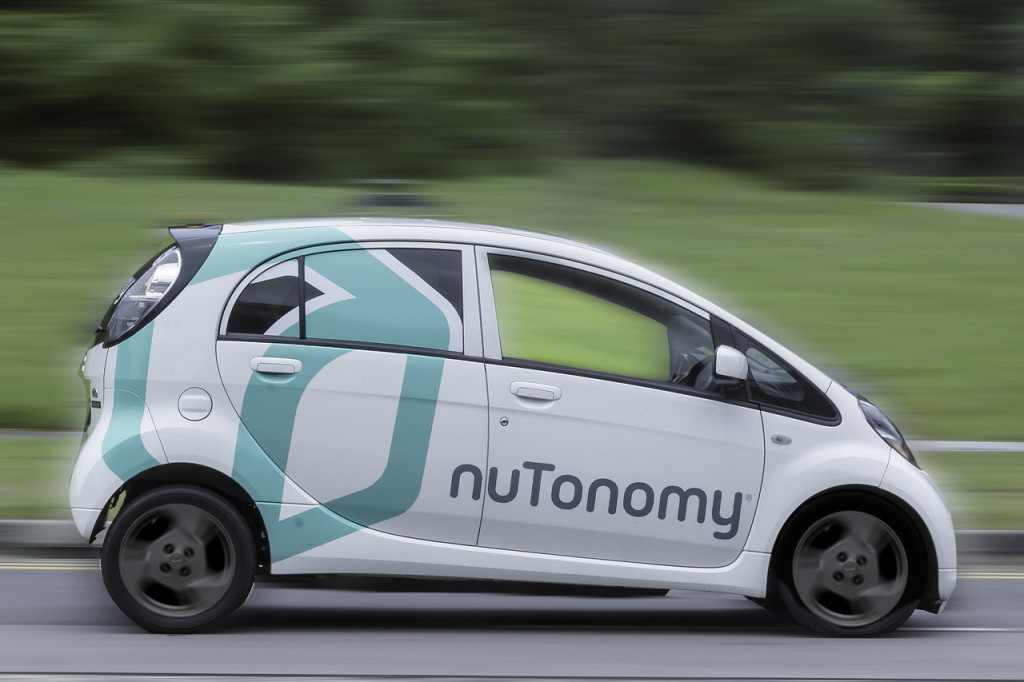
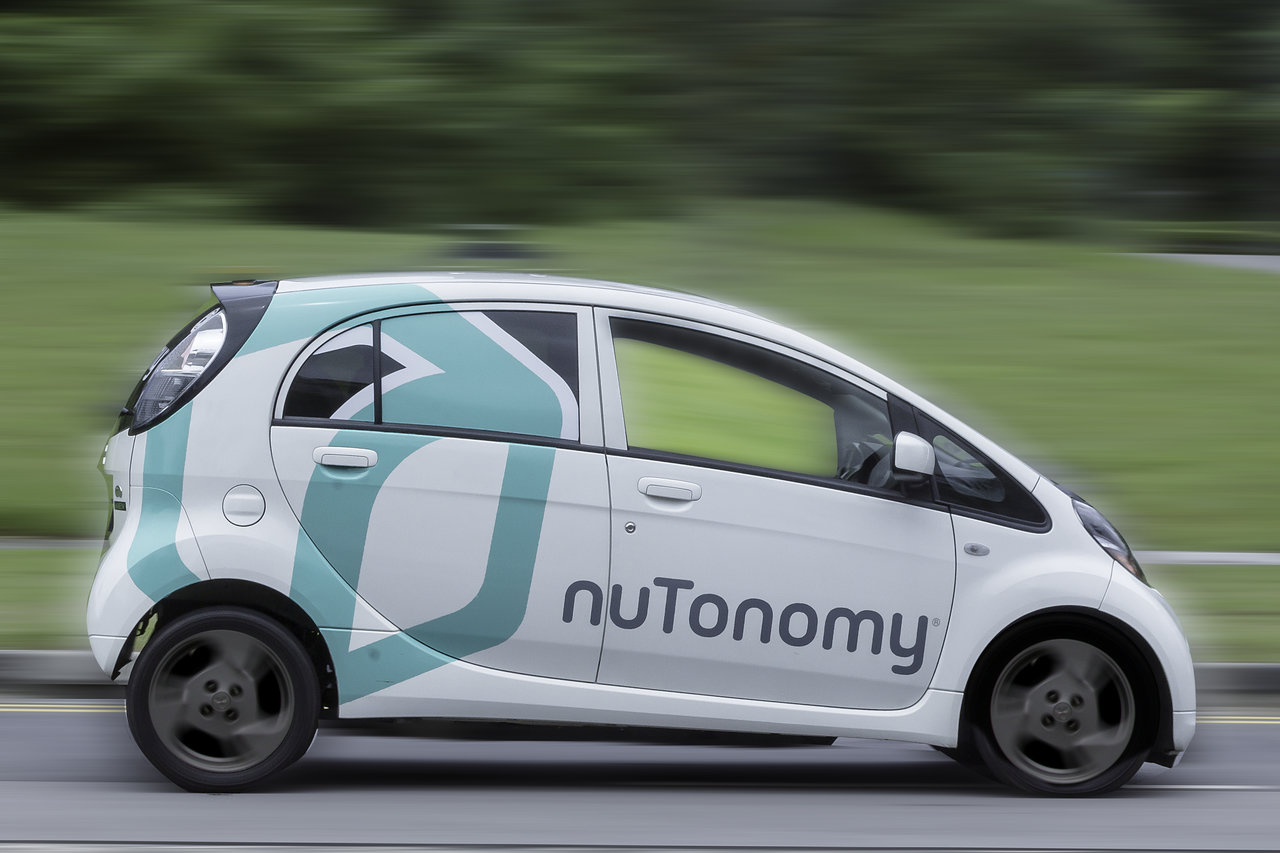
In this episode, Audrow Nash interviews Karl Iagnemma, a Principal Research Scientist at the Massachusetts Institute of Technology and the CEO of nuTonomy, about autonomous vehicles in urban environments. Iagnemma discusses the market for autonomous cars, why nuTonomy is being developed and, at least initially, deployed in Singapore, and the technology of autonomous cars.
A video of nuTonomy’s autonomous vehicle is below.
Karl Iagnemma
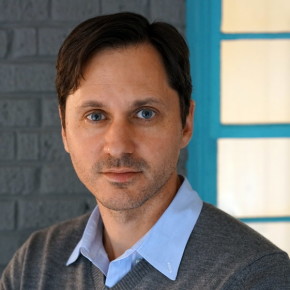 Karl Iagnemma is a principal research scientist in the Mechanical Engineering department at the Massachusetts Institute of Technology, where he directs the Robotic Mobility Group. He holds a B.S. from the University of Michigan, and an M.S. and Ph.D. from MIT, where he was a National Science Foundation Graduate Fellow. He has performed postdoctoral research at MIT, and has been a visiting researcher at the NASA Jet Propulsion Laboratory and the National Technical University of Athens (Greece). Karl is also co- founder and CEO of nuTonomy, a venture-backed startup company focused on developing software for fully autonomous passenger vehicles.
Links:
tags: automotive, business, control, podcast, research, startup