
Robohub.org
CES 2017 pre-news: Ford Fusion, Nvidia, MobilEye, HERE, BMW, Intel and other partnerships
 Thursday night, and I am heading off to CES, and it’s become the main show it seems for announcing robocar news. There’s already a bunch.
BMW says it will deploy a fleet of 40 cars in late 2017
Bumping up the timetables, BMW has declared it will have a fleet of 40 self-driving series 7 cars, using BMW’s technology combined with MobilEye and Intel. Intel has recently been making a push to catch up to Nvidia as a chipmaker supplier to automakers for self-driving. It hasn’t quite said what the cars will do, but they will be trying lots of different roads. So far BMW has mostly been developing its own tech. More interesting has been their announcement of plans to sell rides via their DriveNow service. This was spoken of a year ago but not much more has been said.
https://www.youtube.com/watch?v=sqRkYemvjr8
Intel also bought 15% of “HERE” the company formerly known as Navteq and Nokia. Last year, the German automakers banded together to buy HERE from Nokia and the focus has been on “HD” self-driving maps.
Hyundai, Delphi show off cars
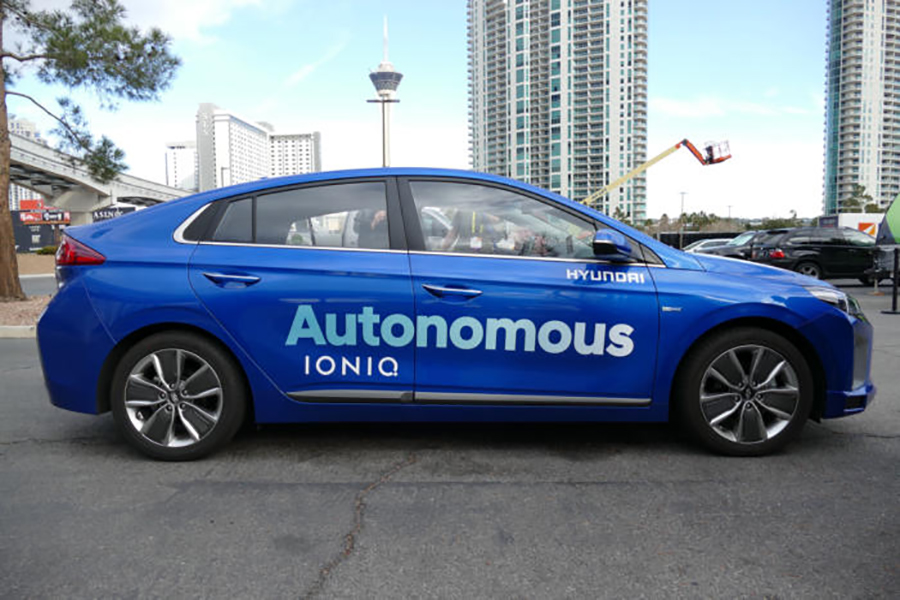
There are demo cars out there from Delphi and a Hyundai Ioniq. Delphi’s car has been working for a while (it’s an Audi SUV) but recently they have also added a bunch of MobilEye sensors to it. Reports about the car are good, and they hope to have it ready by 2019, showing up in 2020 or 2021 cars on dealer lots.
Toyota sticks to concepts
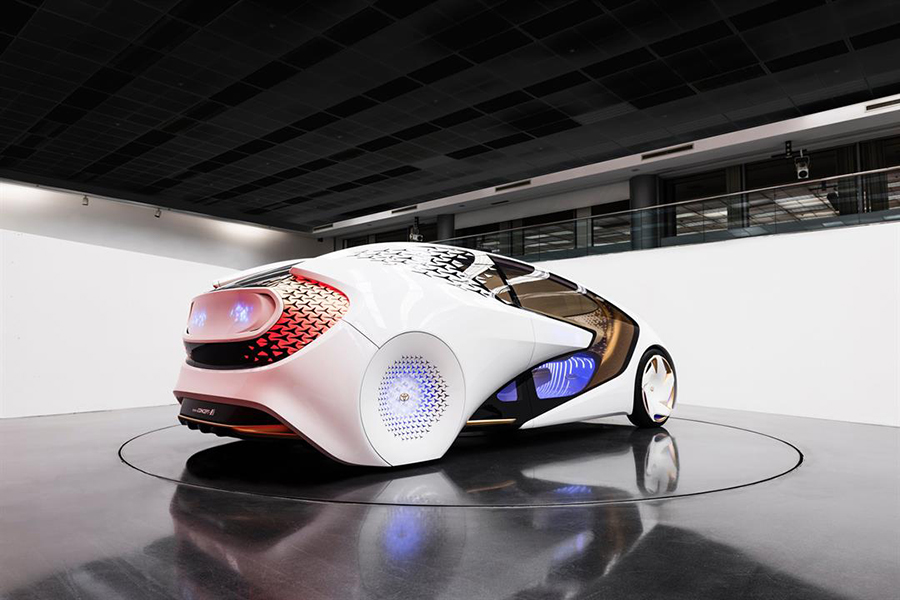
Toyota’s main announcement is the Concept-i meant to show off some UI design ideas. It’s cute but still very much a car, though with all the silly hallmarks of a concept — hidden wheels, strangely opening doors and more.
Quanergy announces manufacturing plans for $250 solid state LIDAR
Quanergy (Note: I am on their advisory board) announced it will begin manufacturing this year of automotive grade $250 solid state LIDARs. Perhaps this will stop all the constant articles about how LIDAR is super-expensive and means that robocars must be super-expensive too. The first model is only a taste of what’s to come in the next couple of years as well.
New Ford has a sleeker design
Ford has become the US carmaker to watch (in addition to Tesla) with their announcement last year that they don’t plan to sell their robocars, only use them to offer ride service in fleets. They are the first and only carmaker to say this is their exclusive plan. Just prior to CES, Ford showed off a new test model featuring smaller Velodyne pucks and a more deliberate design.
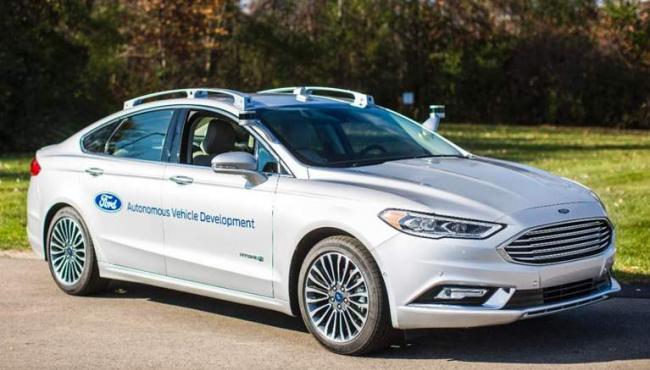
I have personally never understood the desire to design robocars to “look like regular cars.” I strongly believe that, just like the Prius, riders in the early robocars will want them to look distinctive, so they can show off how they are in a car of the future. Ford’s carm based on the Fusion hybrid, is a nice compromise — clearly a robocar with its sensors, but also one of sleek and deliberate design.
Nvidia keeps its push
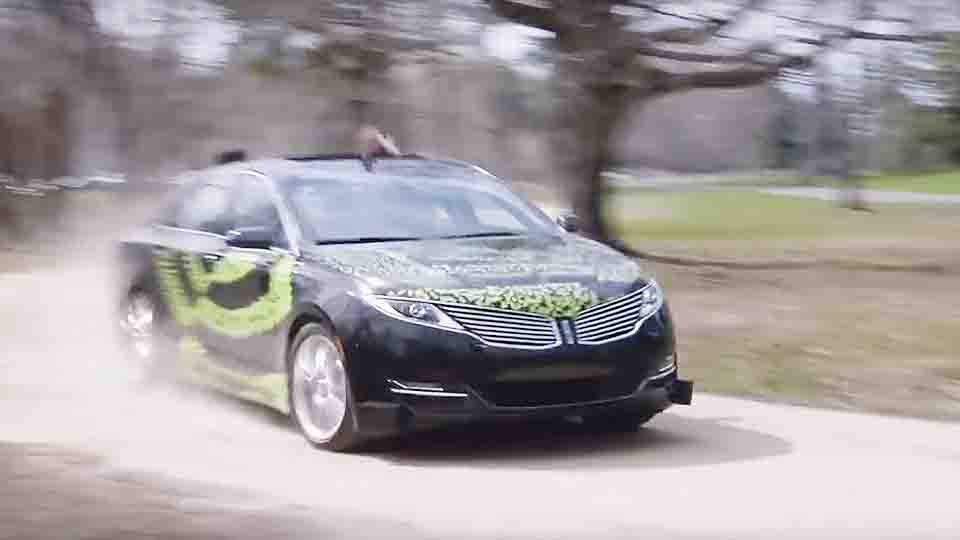
Nvidia has a new test car they have called BB8. (Do they have to licence that name?) It looks fairly basic, and they show a demo of it taking somebody for a ride with voice control, handling a lot of environments. It’s notable that at the end, the driver has to take over to get to the destination, so it doesn’t have everything, nor would we expect it. NVIDIA is pushing their multi-GPU board as the answer to how to get a lot of computing power to run neural networks in the car.
What’s coming
Announcements are due tomorrow from Nissan and probably others. I’ll report Friday from the show floor. See you there!
If you liked this post on robocars, you’ll also enjoy these articles:
- What if the city ran Waze and you had to obey it? Could this cure congestion?
- What are the right disability rules for robotaxis?
- Google car is now Waymo
- Comma.ai cancels comma-one add-on box after threats from NHTSA
- Robocar news: Comma One goes open source, creating simulations for robocars in New Zealand earthquakes
See all the latest robotics news on Robohub, or sign up for our weekly newsletter
tags: Annoincement, Automotive, BMW, Event, Intel, Robot Car, Robotics technology

AUAI is supported by:









