
Robohub.org
Google scraps initial ‘Project Wing’ plans for new secret design
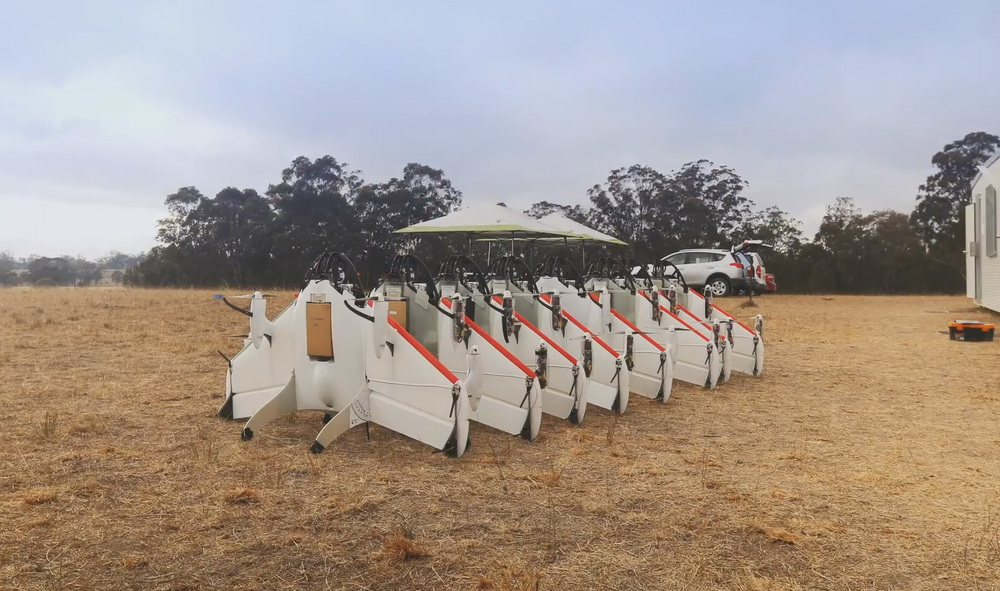
The head of Google’s moonshot lab Google X has recently announced they have scrapped the initial ‘Project Wing‘ design that they have been testing in Australia. According to X lab Director Astro Teller, the old design was difficult to control and they are now working on a new design.
Some features from the initial design:
- Project Wing had a wingspan of approximately 1.5m (4,9ft)
- Propulsion was driven from four electrically-driven propellers
- Total weight, including delivery payload, was approximately 10kg (22lb)
- The aircraft weight was 8.5kg (18.7lb)
- Payload 1.5kg (3.3lb)
- The aircraft was capable of VTOL (vertical takeoff and landing)
- The hybrid design used the rotors for VTOL and hovering but used the wing shape for forward flight to maximize range and efficiency
- Payloads would be dispatched from the aircraft while in hover mode using a tether
It is understood that the team have been working on a new secret design since they started testing in Australia. This new design is said to move away from the single-wing approach. Google has been working on drones since 2011 so will surely have a number of different concept designs. However, the ‘Project Wing‘ design we reported on is the only one we’re aware of that made it to field testing. Teller explained that the design didn’t cope well in high winds and its cargo shifted too much when the wing moved up and down.
Former head of ‘Project Wing‘ Nicholas Roy has said that delivery drones “are absolutely viable, but there are a lot of technical hurdles that have to be crossed.” Nicholas Roy is a professor at the Massachusetts of Institute of Technology and says “we are very much in the prototype stage.”
Google are not the only ones looking at turning delivery drones into a reality. Amazon, DHL and Chinese giant Alibaba are all working on delivery drones. Some experts predict that there is another 5 years of development needed before we see large scale deployment.
If you liked this article, you may also be interested in:
- Google’s secret drone delivery program
- Is drone delivery really a robot startup?
- Is package delivery using drones feasible?
- The economics of Amazon’s delivery drones
See all the latest robotics news on Robohub, or sign up for our weekly newsletter.
tags: drone delivery, Google, project wing, research, UAVs & drones

AUAI is supported by:









