Robohub.org
ep.

335

podcast
 

Autonomous Aircraft by Xwing with Maxime Gariel
Xwing         

by
12 July 2021


share this:


xwing autonomous aircraft

Abate talks to Maxime Gariel, CTO of Xwing about the autonomous flight technology they are developing.

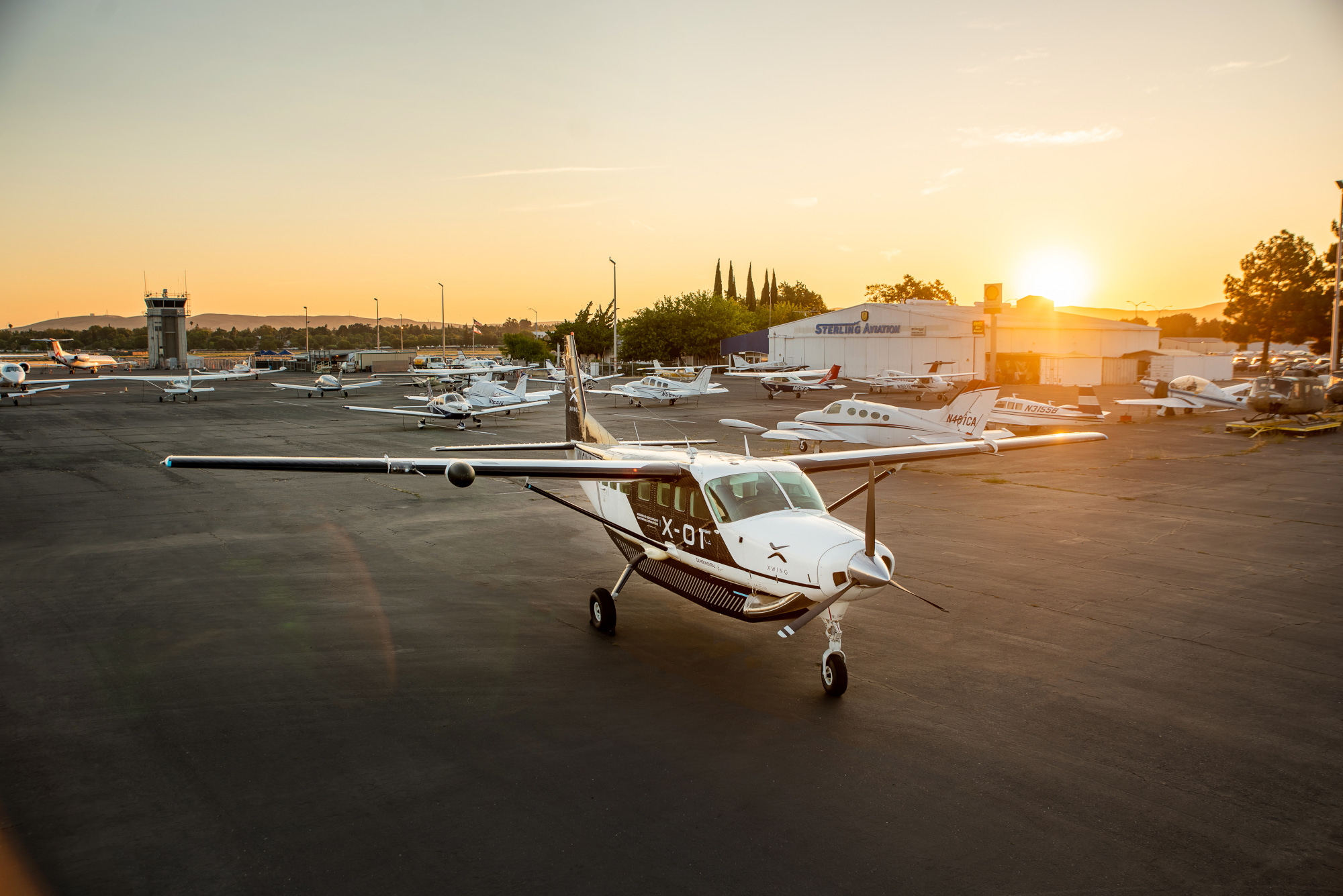
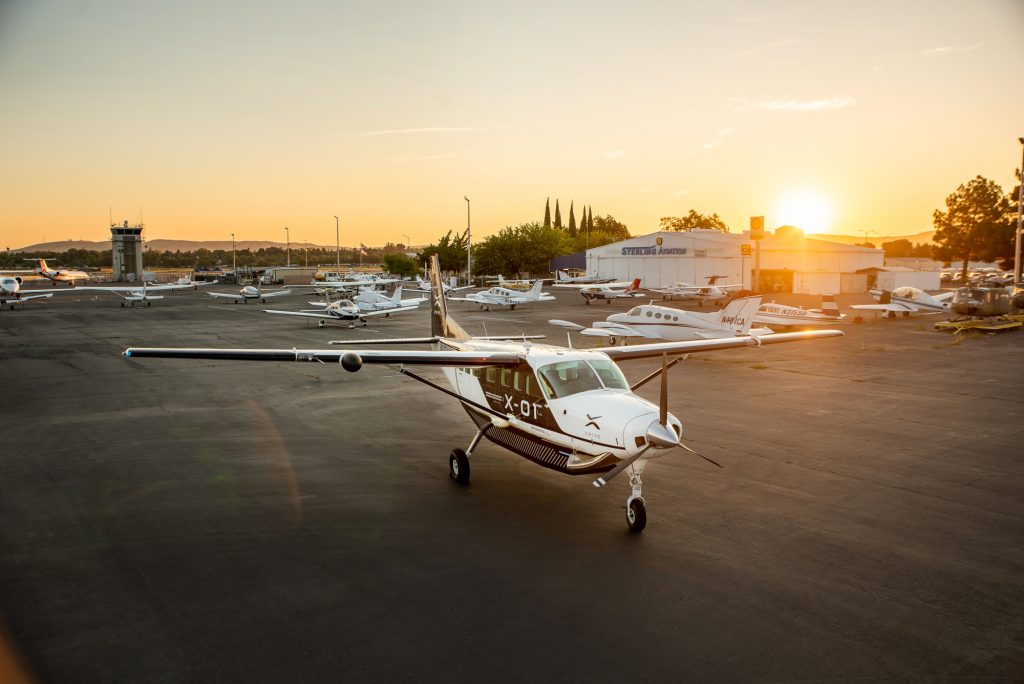
At Xwing, they are converting traditional aircraft into remotely operated aircraft. They do this by retrofitting planes with multiple sensors including cameras, radar, and lidar, and by developing sensor fusion algorithms to allow their planes to understand the world around them, using highly accurate perception algorithms.

Xwing’s autonomous flight technology allows a plane to taxi in the airport, takeoff, fly to a destination, avoid airborne and ground threats, and land, all without any human input. This technology not only enables autonomous flight but may also enhance the safety of manned aircraft by improving a plane’s ability to understand its surroundings.

Maxime Gariel
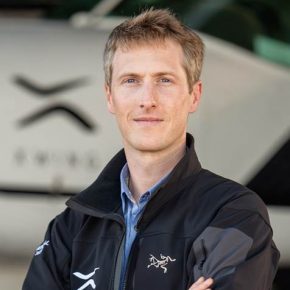
Maxime Gariel is the CTO of Xwing, a San Francisco based startup whose mission is to dramatically increase human mobility using fully autonomous aerial vehicles. Xwing is developing a Detect-And-Avoid system for unmanned and remotely piloted vehicles. Maxime is a pilot but he is passionate about making airplanes fly themselves.

Maxime joined Xwing from Rockwell Collins where he was a Principal GNC Engineer. He worked on autonomous aircraft projects including DARPA Gremlins and the AgustaWestland SW4 Solo autonomous helicopter. Before becoming Chief Engineer of the SW4 Solo’s flight control system, he was in charge of the system architecture, redundancy, and safety for the project.

Before Rockwell Collins, he worked on ADS-B based conflict detection as a postdoc at MIT and on autoland systems for airliners at Thales. Maxime earned his MS and PhD in Aerospace Engineering from Georgia Tech and his BS from ISAE-Supaéro (France).

Links


tags: , , , , , , ,


Abate De Mey Podcast Leader and Robotics Founder

            AUAI is supported by:


Subscribe to Robohub newsletter on substack


Related posts :

Developing active and flexible microrobots

  13 May 2026
This class of robots opens up possibilities for biomedical applications.

How to teach the same skill to different robots

  11 May 2026
A new framework to teach a skill to robots with different mechanical designs, allowing them to carry out the same task without rewriting code for each.

Robot Talk Episode 155 – Making aerial robots smarter, with Melissa Greeff

  08 May 2026
In the latest episode of the Robot Talk podcast, Claire chatted to Melissa Greeff from Queen's University about autonomous navigation and learning for drones.

New understanding of insect flight points way to stable flapping-wing robots

  07 May 2026
The way bugs and birds flap their wings may look effortless, but the dynamics that keep them aloft are dizzyingly complex and difficult to quantify.

Robotically assembled building blocks could make construction more efficient and sustainable

  05 May 2026
Research suggests constructing a simple building from interlocking subunits should be mechanically feasible and have a much smaller carbon footprint.

Robot Talk Episode 154 – Visual navigation in insects and robots, with Andrew Philippides

  01 May 2026
In the latest episode of the Robot Talk podcast, Claire chatted to Andrew Philippides from the University of Sussex about what we can learn from ants and bees to improve robot navigation.

Ultralightweight sonar plus AI lets tiny drones navigate like bats

  29 Apr 2026
Researchers develop ultrasound-based perception system inspired by bat echolocation.

Gradient-based planning for world models at longer horizons

  28 Apr 2026
What were the problems that motivated this project and what was the approach to address them?


AUAI is supported by:


Subscribe to Robohub newsletter on substack


©2026.02 - Association for the Understanding of Artificial Intelligence