Robohub.org
337
Autonomously Mapping the Seafloor with Anthony DiMare and Charles Chiau
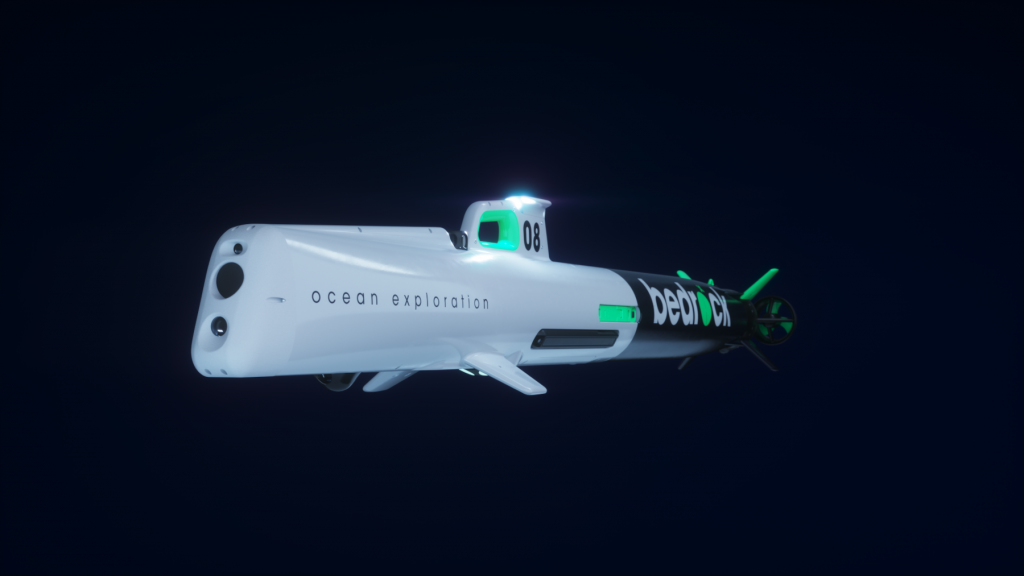
Anthony DiMare and Charles Chiau deep dive into how Bedrock Ocean is innovating in the world of Marine Surveys. At Bedrock Ocean, they are developing an Autonomous Underwater Vehicle (AUV) that is able to map the seafloor autonomously and at a high resolution. They are also developing a data platform to access, process, and visualize data captured from other companies at the seafloor.
Bedrock Ocean is solving two problems in the industry of Marine Surveying.
1. The vast majority of the seafloor is completely unmapped
2. The data that is captured from the seafloor is not standardized or centralized.
Seafloor data conducted by two different companies with the same or different hardware to capture the data can vary significantly in the calculated seafloor profile
Anthony DiMare
Anthony previously founded Nautilus Labs, a leading maritime technology company advancing the efficiency of ocean commerce through artificial intelligence. While at Nautilus, Anthony helped global companies solve challenges with distributed, siloed maritime data systems and built the early team that launched Nautilus Platform into large publicly listed shipping companies.
Charles Chiau
Charles, Bedrock’s CTO, was previously at SpaceX where he helped design the avionics systems for Crew Dragon. He also was a system integration engineer at Reliable Robotics working on their autonomous aviation system and was the CTO of DeepFlight where he worked on manned submersibles including ones for Tom Perkins, Richard Branson, and Steve Fossett.
Links
- Download mp3 (48.0 MB)
- Subscribe to Robohub using iTunes, RSS, or Spotify
- Support us on Patreon
tags: business, exploration & mining, podcast, prototype, sensing, software, startup, underwater