Robohub.org
221
Ori Systems: Robotic Furniture with Hasier Larrea
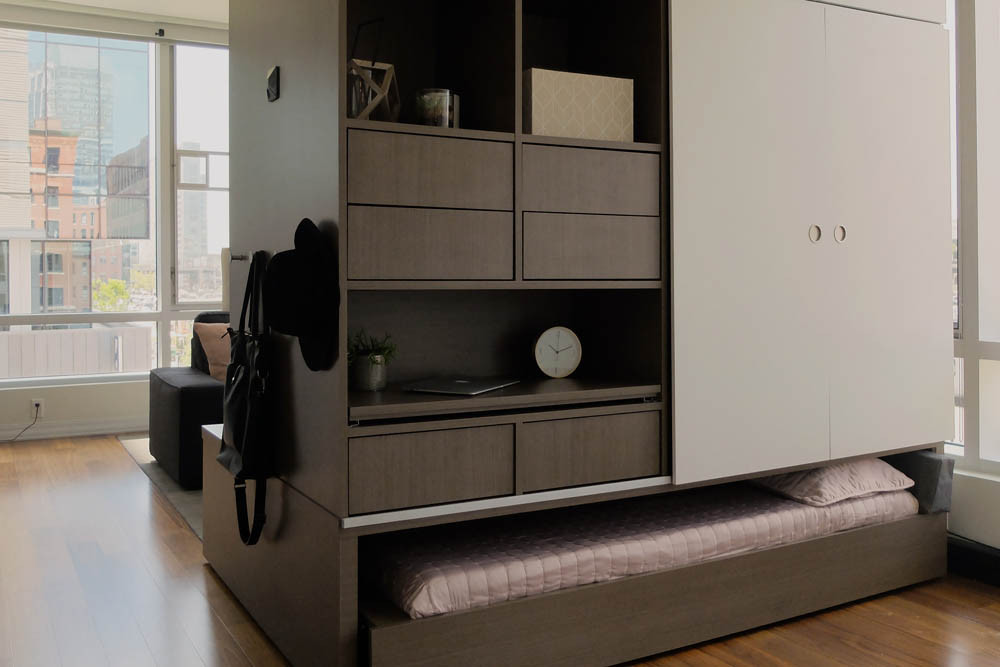
In this episode, Audrow Nash interviews Hasier Larrea, Founder and CEO of Ori Systems and MSc candidate at the MIT Media Lab, about robotics used to transform personal spaces. Larrea discusses how the world is urbanizing and how new space paradigms are needed to accommodate this shift. He proposes robotic furniture that allows for what is not being used to be hidden, such as a desk or a bed. Larrea discusses the robotic systems, how these systems will be integrated into existing infrastructure, and the future or Ori Systems.
Below is Larrea’s TEDxCambridge talk:
Hasier Larrea
 Hasier Larrea is an engineer and designer at the MIT Media Lab. He holds a Bachelors and Masters Degree in Mechanical Engineering. Hasier leads the Architectural Robotics research area at the Media Lab, which focuses on creating a new generation of hyper efficient and responsive urban spaces. His team is developing the robotic tools that allow traditional architectural and furniture elements to transform and intelligently connect to the world around us. His work on the CityHome and CityOffice has been featured in The New York Times, Time, Fast Company, Wired, and TechCrunch among others. His creative and entrepreneurial interests help translate the Lab’s envisioning, inventing, and designing approach into manifesting the ideal smart city from researchers’ minds to the streets of tomorrow.
Links
- Download mp3 (15.4 MB)
- Ori Systems’s homepage
- Subscribe to Robots using iTunes
- Subscribe to Robots using RSS
tags: actuation, business, household, modular, podcast, prototype, research, startup