
Robohub.org
Recent robotic vacuum launches change industry from niche to mainstream
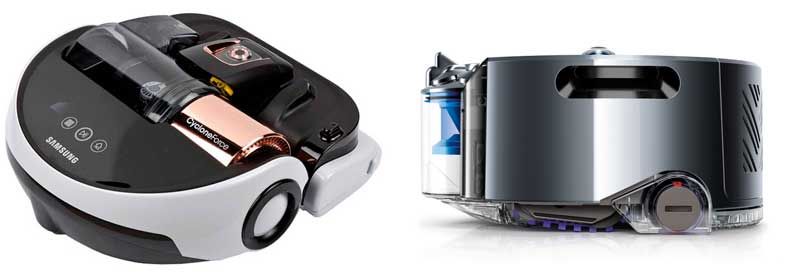
Recent robotic vacuum cleaner product launches by Dyson and Samsung have transformed what once was a niche market of early adopters and robot enthusiasts into a marketplace of serious consumer products for home cleaning.
Both Dyson and Samsung have upgraded the vacuuming function of their robotic cleaners to be equivalent to non-robotic cleaners. Consequently, they have endorsed what iRobot invented many years ago: a convenient robotic method of cleaning carpets and floors.
But until these two new products, particularly the Dyson one, the marketplace has been small and limited. One could characterize the buyers as early adopters of new technology, particularly those fascinated with robotics. They were fun to have and own… but they weren’t really good cleaning devices. Dyson has changed that with the introduction of their 360 Eye product and Samsung has followed suit with their new Powerbot VR9000. Both were displayed last week at the IFA Consumer Electronics Show in Berlin. Dyson had quite large crowds surrounding their new robotic vacuum cleaner.
iRobot, over the past 10 years, has sold 10 million Roombas, mostly through online distribution methods. With the global distribution channels that both Dyson and Samsung bring, it’s conceivable that either (or both) could sell 10 million of their products next year thereby doubling 10 years of worldwide sales in a single year!
The future is ripe for automated devices in the home and over the next few years we are likely to see many of these capture the home market for floor cleaning, sanitizing of kitchen and bathroom floors, carpet cleaning, etc. iRobot pioneered the concept with their Roombas and Scoobas but now the big players (Dyson, Samsung and LG) are stepping in, bringing up the quality of the product and performance to the level needed to satisfy the general consumer market and then to manufacture, distribute, market and service the product in massive quantities, which they are very good at doing.
If you liked this article, you may also be interested in:
- Why is Japan the first to get Dyson’s new 360 Eye?
- Housework 2.0: The battle of the robot vacuum cleaners begins!
- Has Dyson’s robotic dream become a reality?
- Dyson invests £5m in robot lab
See all the latest robotics news on Robohub, or sign up for our weekly newsletter.
tags: 360 Eye, consumer robotics, Dyson, household, iRobot, robot vacuum, roomba, Samsung

AUAI is supported by:









