
Robohub.org
Thymio goes wireless!
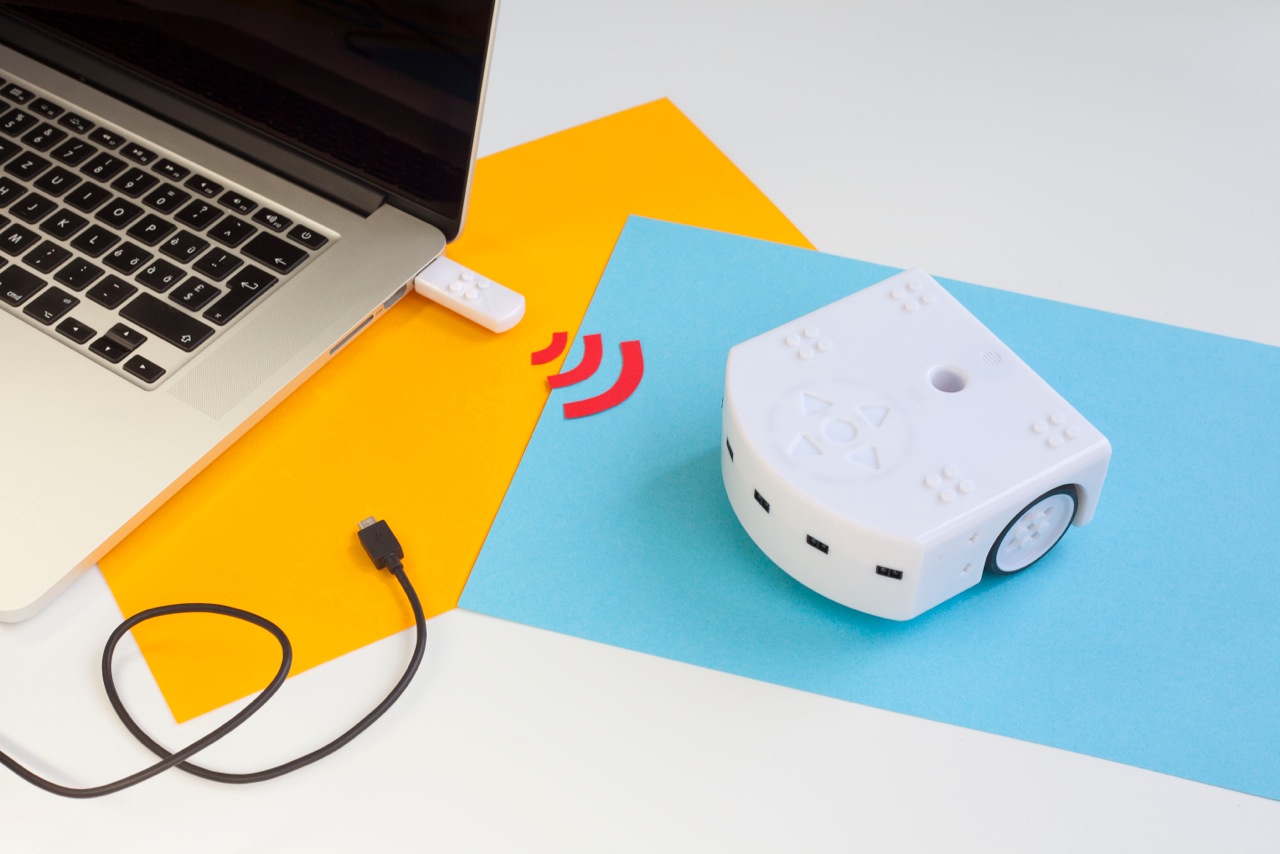
Thymio is a playful robot designed to help children discover programming, motors, light and motion sensors, and ultimately, logical and inventive thinking – right out of the box. Earlier versions of Thymio are already in use at home or school by tens of thousands of children worldwide. Now Thymio’s development team is crowdfunding to bring you a wireless version of this loveable educational robot. If you’ve always wanted a Thymio, this is a great opportunity to get one; and if you already own a Thymio and bought it after May 2012, this is your chance to upgrade to a wireless version. No more USB cables! This is the same Thymio you know and love, only better.
Why go wireless? Thymio is known for working right out of the box, and for its easy to use visual programming interface. The new wireless version makes programming the Thymio with behaviours even simpler because you can update its behaviours on the fly.
Development for the wireless module is almost finished, and the crowdfunding campaign will support production of the new wireless Thymio. The campaign is run by Mobsya, a non-profit association whose mission is to promote technology education through fun and accessible robotics.
Want to learn more about the Thymio?
- Kidbotics review: Thymio II
- Robots Podcast interview with Thymio team members Francesco Mondada, Stéphane Magnenat
- Taking your first steps in robotics with the Thymio II
tags: crowdfunding, entertainment, Mobsya, Robohub Crowdfunding Partner, Thymio

AUAI is supported by:









