Robohub.org
289
On Design in Human-Robot Interaction with Bilge Mutlu
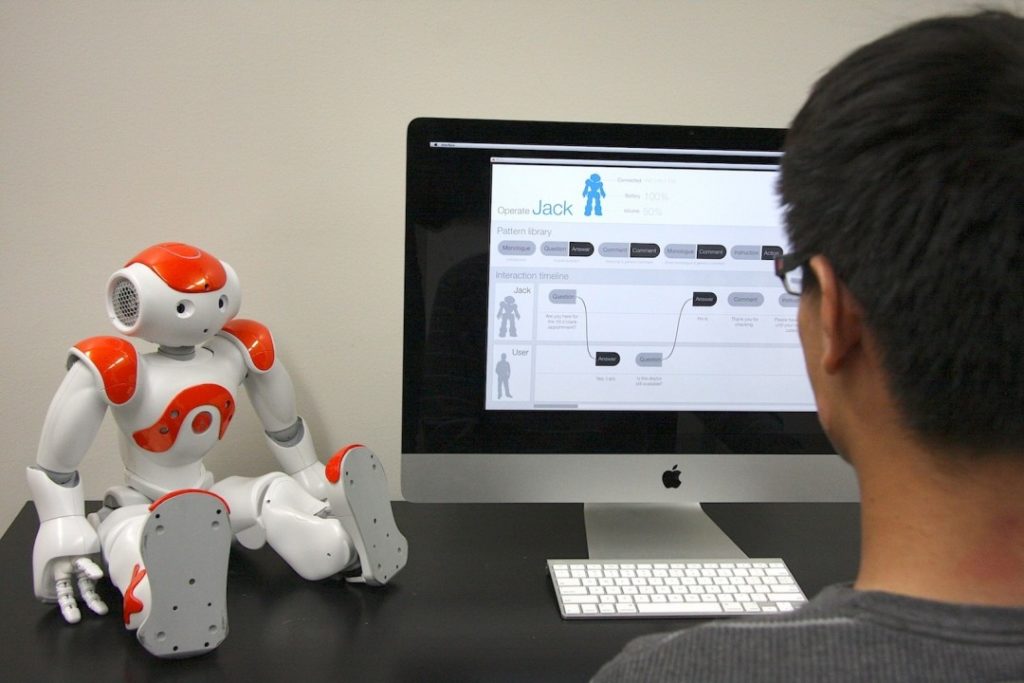
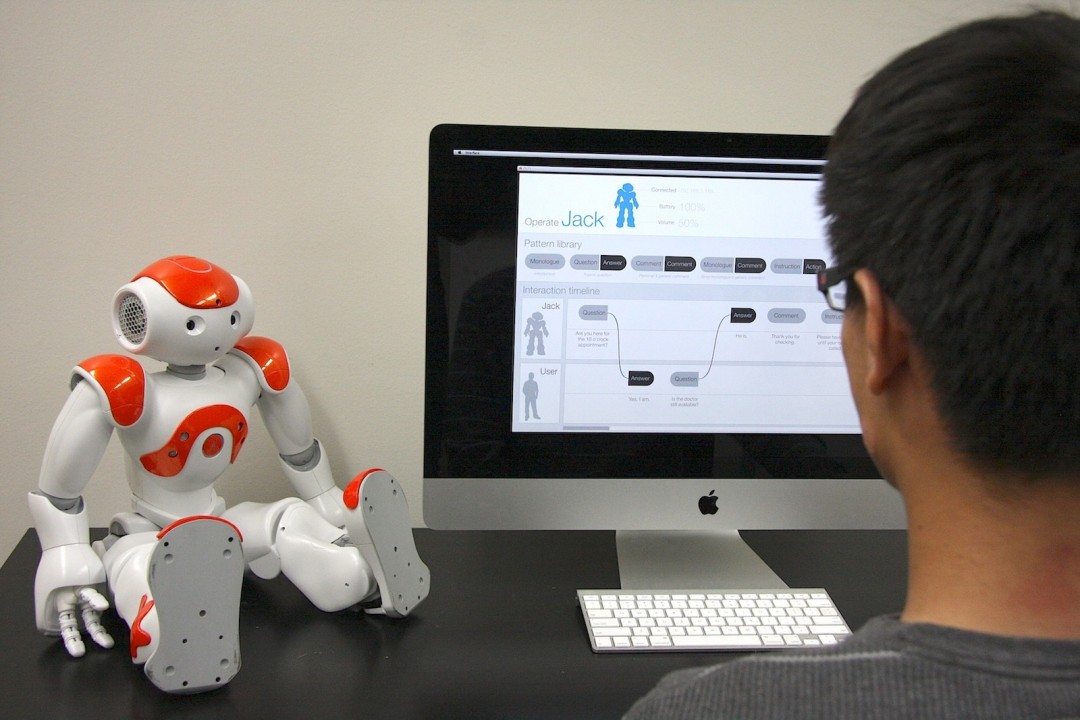
In this episode, Audrow Nash interviews Bilge Mutlu, Associate Professor at the University of Wisconsin–Madison, about design-thinking in human-robot interaction. Professor Mutlu discusses design-thinking at a high-level, how design relates to science, and he speaks about the main areas of his work: the design space, the evaluation space, and how features are used within a context. He also gives advice on how to apply a design-oriented mindset.
Bilge Mutlu
 Bilge Mutlu is an Associate Professor of Computer Science, Psychology, and Industrial Engineering at the University of Wisconsin–Madison. He directs the Wisconsin HCI Laboratory and organizes the WHCI+D Group. He received his PhD degree from Carnegie Mellon University‘s Human-Computer Interaction Institute.
Links
- Download mp3 (15.4 MB)
- Bilge’s personal website
- The HCI Lab’s website
- Subscribe to Robots using iTunes
- Subscribe to Robots using RSS
- Support us on Patreon
tags: AI-cognition, control, podcast, research, social robotics