Robohub.org
Reader poll: How should an autonomous car optimize crashes?
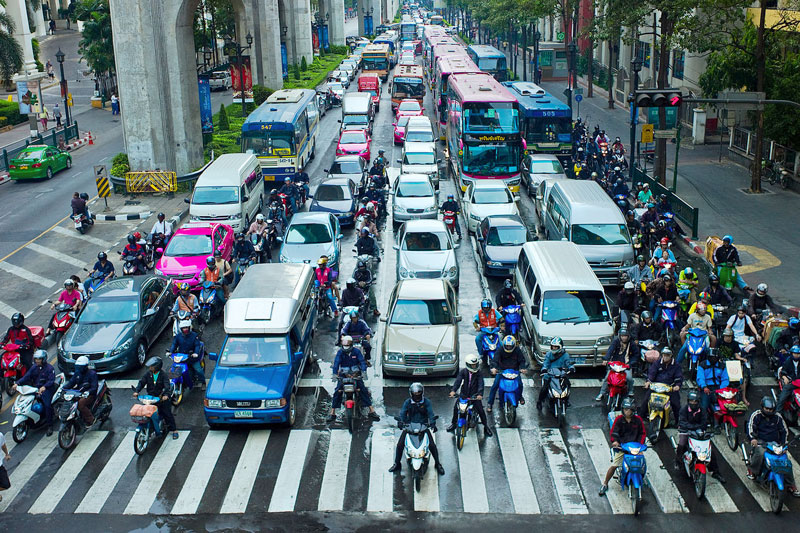
A couple of months ago Dr. Patrick Lin, director of the Ethics + Emerging Sciences Group at California Polytechnic State University, wrote an article on autonomous cars. The article, titled “The Robot Car of Tomorrow May Just Be Programmed to Hit You”, discussed intricate challenges and implications of developing collision optimization algorithms for autonomous cars.
He points out that, regardless of how rarely an autonomous car may come across unavoidable collision situations, the implications of building an algorithm that determines how it responds to the collision lie in the domain of ethics and needs much discussion.
Join us in discussing the topic by taking the poll below. As usual, we’ll present the results of this poll in two weeks.
If you liked this article, you may also be interested in:
- How do you want to interface with your autonomous car? Poll results
- My (autonomous) car, my safety: Results from our reader poll
- Human error as a cause of vehicle crashes
- If death by autonomous car is unavoidable, who should die? Reader poll results
- Should autonomous cars be allowed to speed? Results from our reader poll
- Kids with wheels: Should the unlicensed be allowed to ‘drive’ autonomous cars?
- What should a robot do? Designing robots that know right from wrong
- Morgan Stanley reports on the economic benefits of driverless cars
See all the latest robotics news on Robohub, or sign up for our weekly newsletter.
tags: automotive, human-robot interaction, machine ethics, Patrick Lin, politics, reader poll, reader poll: autonomous cars, reports, research
AUAI is supported by: